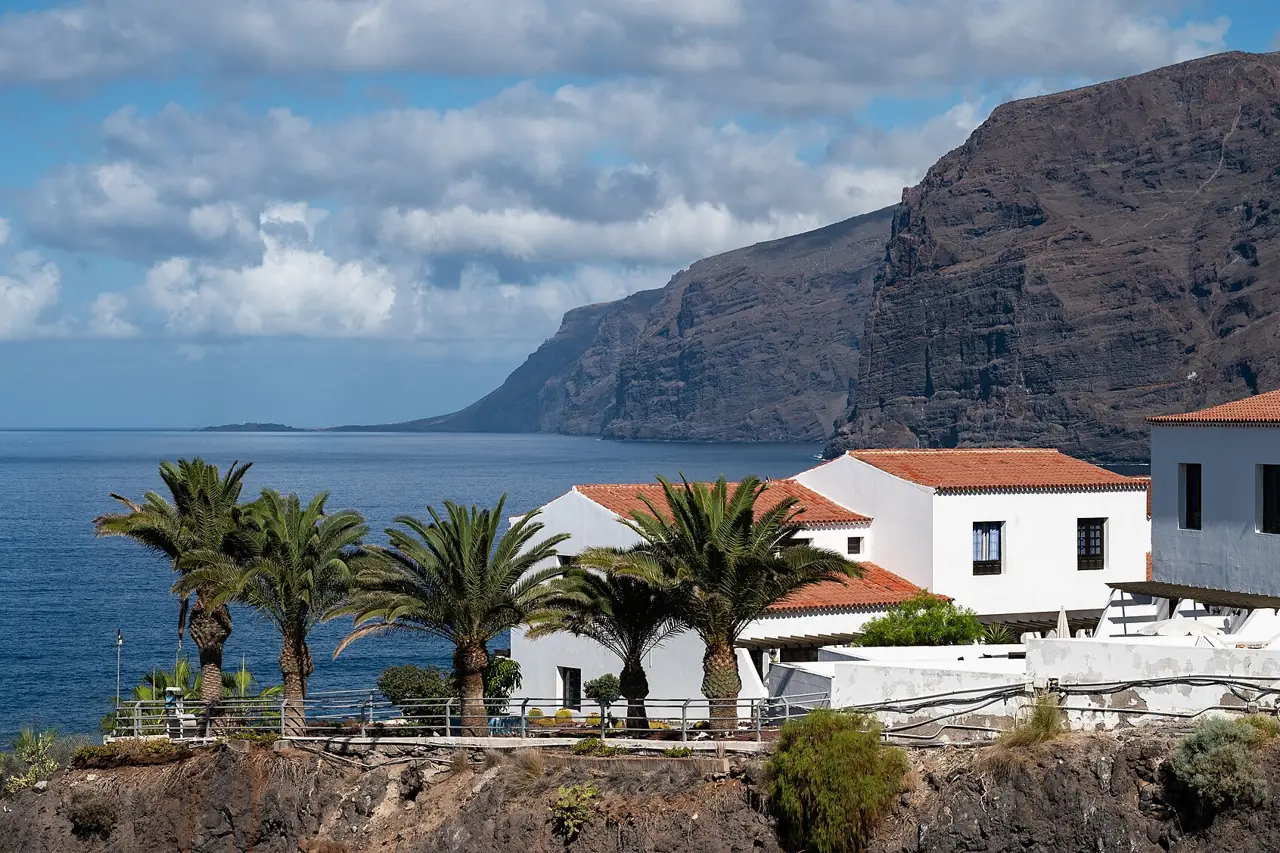
- The south (Costa Adeje, Los Cristianos) is sunniest; the north is greener and more Canarian
- Mount Teide is Spain's highest peak and the cable car gets you close to the top
- Hire a car for a few days to see the island properly
- Tenerife is on UK time, so no jet lag in winter
- Airports
- Tenerife South (TFS), Tenerife North (TFN)
- Best time to go
- All year; October-May for winter sun
- Type
- Island
Tenerife is the UK's go-to winter sun island for good reason. Flights take a little over four hours, the island runs on the same time as the UK, and even in January the south coast regularly reaches the low 20s. Add a 3,715-metre volcano, black-sand beaches and some of Europe's best whale watching, and it offers far more than a sunlounger.
The island is bigger and more varied than many people expect, so choosing the right base matters. Here is how to get it right. For more on the rest of the country, see our Spain guide.
Why go
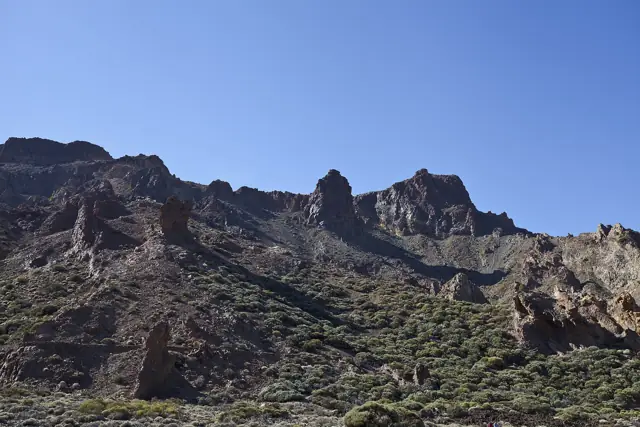
Reliable sunshine is the main draw, but Tenerife also has genuine landscapes. The Teide National Park is a UNESCO World Heritage Site of lava fields and crater walls. In the north-east, the Anaga mountains are covered in laurel forest, and in the west the Los Gigantes cliffs drop hundreds of metres into the Atlantic. It works for families, couples, hikers and anyone who simply wants warmth in February. For a summer island with more Mediterranean character, compare Mallorca.
Best areas to stay
- Costa Adeje – the most upmarket part of the south, with good beaches, smart hotels and a calmer feel. Great for families and couples.
- Playa de las Américas – lively, with lots of bars and nightlife. Best for groups and those who want to stay up late.
- Los Cristianos – a former fishing town with a sheltered beach and a ferry port for La Gomera. Popular with older travellers and families.
- Los Gigantes and Puerto de Santiago – quieter west-coast resorts under the famous cliffs, with sunsets over La Gomera.
- Puerto de la Cruz – the north coast's traditional resort, greener and slightly cooler, with Canarian architecture and Loro Parque.
The north is cloudier than the south, especially in winter. If guaranteed sun is the priority, stay in the south or west.
Top things to do
- Teide National Park – drive up through the clouds to the crater and take the cable car to about 3,555 metres. Walking the final stretch to the summit needs a free permit booked well in advance.
- Stargazing on Teide – the skies above the park are among the clearest in Europe; guided evening tours run most nights.
- Whale and dolphin watching – pilot whales and bottlenose dolphins live year-round in the strait between Tenerife and La Gomera. Choose a licensed operator that keeps its distance from the animals.
- Masca – a hamlet in a dramatic ravine in the Teno mountains. The gorge hike requires booking.
- Anaga Rural Park – misty forest trails and remote villages in the north-east.
- Siam Park and Loro Parque – a big water park in Costa Adeje and a zoo and aquarium in Puerto de la Cruz, both strong days out with children.
- La Laguna – the UNESCO-listed old capital, with colourful colonial streets.
Getting there and around from the UK
Most UK flights land at Tenerife South (TFS), about 20 minutes from Costa Adeje and Los Cristianos. Flying time is roughly four hours 15 minutes from London, with direct routes from most UK airports. Tenerife North (TFN) mainly handles domestic and inter-island flights.
The TITSA bus network is cheap and covers the island, but a hire car for at least a few days makes Teide, Masca and Anaga much easier. Roads are good, though mountain routes are steep and winding.
Best time to visit
Tenerife is a year-round destination. October to May is peak winter sun season, with daytime highs around 20-24°C in the south. Summer is hotter (high 20s) but tempered by trade winds. Christmas, February half-term and Easter are the busiest and most expensive weeks. The sea is coolest (around 19°C) in late winter and warmest in September and October.
Budget tips
- Travel outside school holidays: the same hotel can cost far less in late November or early June.
- All-inclusive can be good value for families in Costa Adeje, where eating out is pricier.
- Use TITSA buses for transfers and day trips; hire a car only for the days you need it.
- Teide National Park itself is free to enter. The cable car is the main cost, so book online.
- Prices move quickly around half-terms, so compare current deals before you book.
Top attractions in Tenerife
Tenerife on the map
Frequently asked questions
Is Tenerife warm in winter?
Yes. Daytime temperatures in the south are typically 20-24°C from December to February, though evenings are cooler and Teide can have snow. Pack a jumper for nights and any trip up the mountain.
North or south Tenerife?
The south is drier and sunnier, with most of the beaches and resort hotels. The north is greener, more traditional and better for walking, but cloudier. Many visitors stay in the south and explore the north on day trips.
Do I need a permit to climb Mount Teide?
Only for the final path from the top cable car station to the summit crater. The permit is free but limited in number, so book it on the national park's official website as early as you can.
Is there a tourist tax in Tenerife?
There is no island-wide tourist tax in Tenerife at the time of writing. Check with your accommodation, as local rules across Spain are changing.
Written by
Anna Beach, family & practical travel editor
Anna knows which beach has shade at 3pm and which car hire excess is a rip-off. She covers sun, islands, family trips and practical travel tips.
More from AnnaWe research every guide carefully, but prices, opening times and timetables change. Check them shortly before you travel. Links to our booking partners are affiliate links.