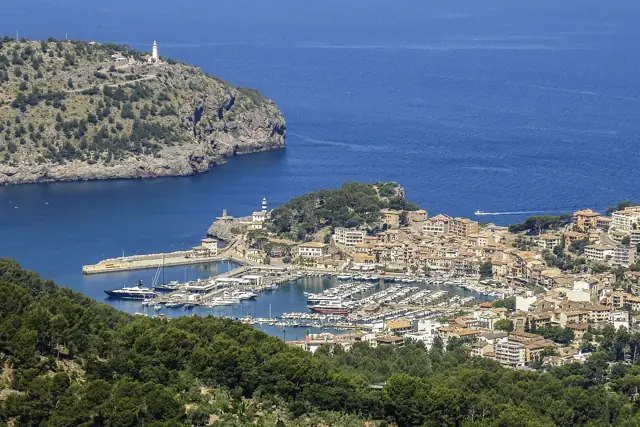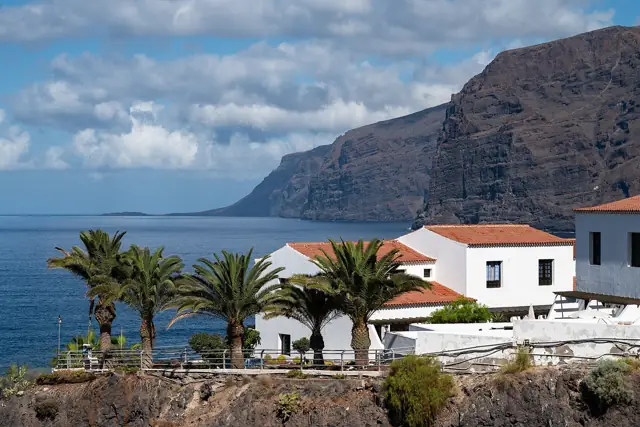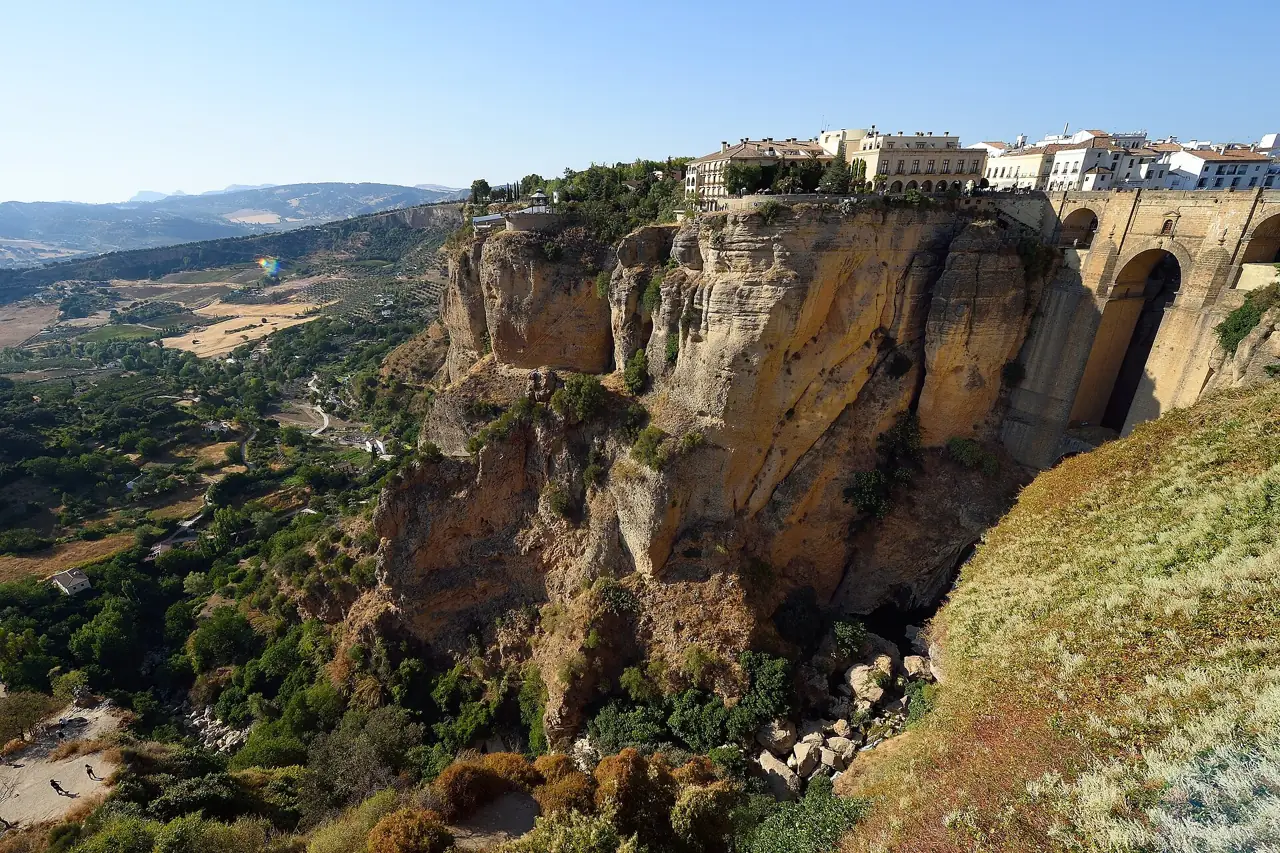
- Barcelona for culture, Mallorca for summer beaches, Tenerife for winter sun
- Spring and early autumn give warm weather without peak-summer prices
- Flights from most UK airports take 2-4h30
- Avoid UK school holidays for the best package deals
- Airports
- Madrid (MAD), Barcelona (BCN), Málaga (AGP), Palma (PMI), Tenerife South (TFS)
- Flight time
- about 2h20 from London to Madrid
- Best time to go
- May-June and September-October; November-March for Canary Islands winter sun
- Currency
- Euro (€)
Spain is the UK's favourite holiday destination for good reason. Within a two-hour flight you can be eating tapas in a buzzing city, swimming in a Mediterranean cove or walking a whitewashed hill town, and the Canary Islands keep the sun shining even in January. Competition between airlines and tour operators also makes Spain one of the easiest places to find a genuine deal.
This guide covers where to go, when to travel, how to get there and around, and what a holiday in Spain costs in 2026.
Where to go in Spain
Barcelona
Barcelona is the classic Spanish city break: Gaudí architecture, a long city beach and some of the best food in Europe. Book timed tickets for the Sagrada Família and Park Güell well ahead, as both regularly sell out in summer.
Mallorca
The largest Balearic island suits almost everyone. Mallorca has family-friendly resorts in the bays of Alcúdia and Pollença, a lively capital in Palma and a mountainous north-west where the Serra de Tramuntana offers hiking, cycling and dramatic coastal roads.
Tenerife
Tenerife is the go-to for winter sun, with daytime temperatures usually in the low 20s °C from November to March. Don't miss Teide National Park, where Spain's highest mountain rises above a lunar landscape of lava fields.
Andalucía and beyond
The south is where many people fall for Spain: the Alhambra in Granada, Seville's cathedral and flamenco bars, and Ronda's bridge spanning a deep gorge. The Costa del Sol around Málaga combines all of these with good-value beach hotels. Further north, Madrid has world-class art at the Prado, while the Basque Country is a food lover's dream.
Best time to visit Spain
| Season | What to expect |
|---|---|
| Spring (April-June) | Warm, green and ideal for cities and sightseeing; Easter is busy |
| Summer (July-August) | Hot (often 35 °C+ inland), busiest and most expensive on the coast |
| Autumn (September-October) | Sea at its warmest, crowds thinning, prices dropping |
| Winter (November-March) | Mild on the south coast, reliable sun in the Canary Islands |
For mainland cities, May, June and late September are hard to beat. Seville and Córdoba in August can be uncomfortably hot, so save them for spring or autumn.
The cheapest package holidays usually fall in May, June (before schools break up) and October outside half-term. Flexible dates can save hundreds for a family.
Getting to Spain from the UK
Spain is served from virtually every UK airport, with budget and full-service airlines competing hard. Typical flight times from London are around 2h20 to Madrid or Barcelona, 2h45 to Málaga and about 4h15 to Tenerife. Regional airports such as Manchester, Bristol, Birmingham, Glasgow and Belfast have direct routes to the main resorts.
You can also go overland with Eurostar to Paris and onward high-speed trains to Barcelona, or take a ferry from Portsmouth or Plymouth to Santander or Bilbao if you want to bring your own car.
British passport holders can stay in Spain and the rest of the Schengen area for up to 90 days in any 180. Your passport must have been issued less than 10 years before you arrive and be valid for at least three months after you plan to leave. The EU's Entry/Exit System (EES) now records your fingerprints and photo at the border on your first trip, so allow a little extra time.
Getting around
Spain's high-speed AVE network is excellent: Madrid to Barcelona takes about 2h30 and Madrid to Seville about 2h30, and competition from low-cost rail operators has pushed fares down on the busiest routes. Book ahead for the best prices. Buses fill the gaps, and a hire car is the best way to explore rural Andalucía or the islands. Inter-island ferries connect the Balearics and the Canaries.
Money and costs
Spain uses the euro. Eating out remains good value compared with the UK, especially the menú del día, a fixed-price weekday lunch with two or three courses. Expect to pay more in Barcelona, Ibiza and Marbella. Catalonia and the Balearic Islands charge a nightly tourist tax, usually added to your hotel bill, and some other cities are introducing their own, so check before you book. Cards are widely accepted; tipping is appreciated but not expected, and rounding up or leaving 5-10% for good service is plenty.
Top attractions in Spain
 Landmark
Park Güell
Gaudí's hillside park of mosaic benches, gingerbread-style lodges and a famous dragon, with sweeping views over…
 Landmark
Sagrada Família
Gaudí's unfinished basilica, with its forest-like nave and glowing stained glass, is Barcelona's must-book sight.
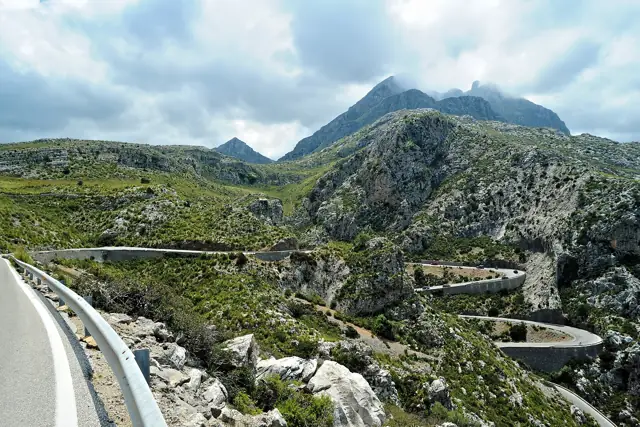 Nature
Serra de Tramuntana
A UNESCO-listed mountain range of stone villages, olive terraces and hairpin roads along Mallorca's north-west coast.
 Nature
Teide National Park
Spain's highest mountain rises from a lunar landscape of lava fields and rock towers in the heart of Tenerife.
Spain on the map
Frequently asked questions
Where is the warmest place in Spain in winter?
The Canary Islands, including Tenerife, Gran Canaria and Lanzarote, are the warmest, with average winter highs of around 21-23 °C. The Costa del Sol is the mildest part of mainland Spain.
Do I need a visa for Spain from the UK?
No. British citizens can visit visa-free for up to 90 days in any 180-day period. The EU's planned ETIAS travel authorisation has no confirmed start date yet, so ignore any website charging for one now.
What is the cheapest time to go to Spain?
Outside school holidays, from November to March on the mainland (except Christmas) and in May, June and October for beach resorts. Midweek flights are usually cheaper than weekends.
Is Barcelona or Madrid better for a first city break?
Barcelona suits travellers who want beaches, Gaudí and a seaside feel; Madrid is better for art galleries, grand architecture and late-night tapas. Both work well for a long weekend.
Written by
Anna Beach, family & practical travel editor
Anna knows which beach has shade at 3pm and which car hire excess is a rip-off. She covers sun, islands, family trips and practical travel tips.
More from AnnaWe research every guide carefully, but prices, opening times and timetables change. Check them shortly before you travel. Links to our booking partners are affiliate links.