- Berlin, Munich and Hamburg are top city breaks, all under two hours from London
- Late November and December bring Germany's famous Christmas markets
- Trains are the easiest way around, and the Deutschlandticket covers all local and regional transport for €63 a month (2026)
- Bavaria, the Rhine and the Black Forest are ideal for touring
- Airports
- Berlin (BER), Munich (MUC), Frankfurt (FRA), Hamburg (HAM), Düsseldorf (DUS), Cologne Bonn (CGN)
- Flight time
- about 1h50 from London to Berlin or Munich
- Best time to go
- May-September; late November-December for Christmas markets
- Currency
- Euro (€)
Germany is one of Europe's most varied destinations, and one of the easiest to reach from the UK. In a single country you'll find Berlin's history and nightlife, Munich's beer halls and Alpine backdrop, castle-lined river valleys, half-timbered medieval towns and dense forests criss-crossed with walking trails.
It's efficient, safe and well organised, with excellent trains and a strong regional food and drink culture. And when winter arrives, its Christmas markets are the best in the world.
Where to go in Germany
Berlin
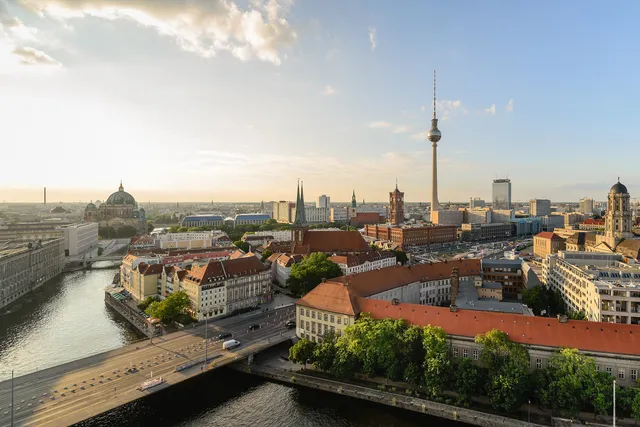
The capital is one of Europe's great cities: edgy, creative and steeped in 20th-century history. Berlin has the Brandenburg Gate, remnants of the Wall at the East Side Gallery, Museum Island and a legendary club scene. Plan your days with our Berlin weekend itinerary.
Munich and Bavaria
Munich combines baroque palaces and world-class art galleries with beer gardens and the Oktoberfest, held from late September into early October. South of the city, the Bavarian Alps offer lakes, hiking and skiing around Garmisch-Partenkirchen, while King Ludwig II's Neuschwanstein Castle draws visitors from around the world; book tickets well ahead.
The Rhine and Moselle valleys
The Upper Middle Rhine between Bingen and Koblenz is a UNESCO-listed stretch of vineyards, riverside villages and castles on every crag. Take a river cruise, cycle the riverside path or visit wine towns such as Bacharach and Rüdesheim. The Moselle valley nearby is quieter and just as pretty.
Hamburg and the north
Hamburg is a maritime city of canals, the striking Elbphilharmonie concert hall and the old warehouse district, the Speicherstadt. The Baltic coast and islands such as Rügen are popular with German holidaymakers in summer.
Cologne, Dresden and other cities
Cologne's twin-spired cathedral is one of the largest Gothic churches in the world, and the city is reachable by train from London with one change in Brussels. Dresden has a rebuilt baroque skyline along the Elbe, Heidelberg is a classic romantic university town, and Nuremberg combines a medieval old town with sobering 20th-century history.
The Black Forest and the Romantic Road
In the south-west, the Black Forest is a land of dark pine woods, cuckoo clocks, spa towns such as Baden-Baden and the university city of Freiburg. The Romantic Road links walled medieval towns such as Rothenburg ob der Tauber across Bavaria and Baden-Württemberg.
Best time to visit Germany
- Spring (April-May): blossom, asparagus season and beer gardens reopening. Great for cities and river valleys.
- Summer (June-August): warm and long-daylight, perfect for lakes, hiking and outdoor festivals, though cities can get hot.
- Autumn (September-October): wine festivals in the Rhine and Moselle, Oktoberfest in Munich and golden forests.
- Winter (November-March): cold, often grey, but from late November the Christmas markets light up almost every town. See our best Christmas markets in Europe. The Alps offer skiing from December.
Christmas market weekends sell out early in popular cities such as Nuremberg, Dresden and Cologne. Book hotels by late summer, or stay in a nearby town and travel in by train.
Getting to Germany from the UK
Flights from London take about 1h30 to 1h50 to most German cities, with plenty of routes from UK regional airports to Berlin, Munich, Frankfurt, Hamburg, Düsseldorf and Cologne. By train, you can reach Cologne in around five hours via Eurostar to Brussels and a connecting high-speed train; see our guide to European city breaks by train from London.
Germany is in the Schengen area, so the 90 days in any 180 rule applies. Your passport must have been issued within the last 10 years and be valid for at least three months beyond your departure date. The EU's Entry/Exit System has been fully operational since April 2026, so expect to register your fingerprints and photo on your first entry. ETIAS is not yet required; read our EES and ETIAS explainer.
Getting around
Deutsche Bahn's ICE high-speed trains connect the major cities, and advance "Sparpreis" fares can be very good value if you book early and stick to your train. Regional trains, buses, trams and city transport are all covered by the Deutschlandticket, a monthly subscription costing €63 in 2026 (rising to €66.80 from January 2027) that ends that month if you cancel by the 10th; it doesn't cover ICE, IC or EC trains. Motorways are toll-free for cars, though some cities require a low-emission sticker.
Money and costs
Germany uses the euro. Cards are increasingly accepted, but cash is still more common than in the UK, especially in bakeries, small restaurants and at Christmas markets, so carry some euros. Prices are broadly similar to the UK, and often lower for public transport, groceries and eating out in cities such as Berlin and Leipzig. Munich is pricier.
Many cities charge an accommodation tax; in Berlin it's 7.5% of the room price. Shops close on Sundays almost everywhere, apart from some at stations and airports. Tipping is usually done by rounding up or adding 5-10%, and you tell the server the total you want to pay rather than leaving money on the table.
Top attractions in Germany
 Landmark
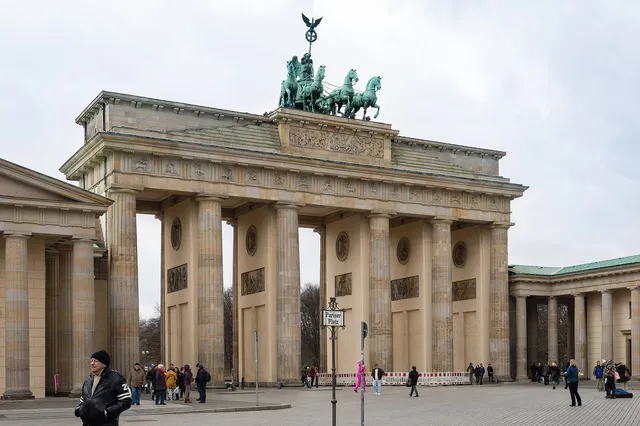
Brandenburg Gate
Berlin's neoclassical city gate, crowned by the Quadriga, once trapped behind the Wall and now the symbol of a reunited…
 Landmark
East Side Gallery
The longest surviving stretch of the Berlin Wall, painted in 1990 by artists from around the world and now an open-air…
Germany on the map
Frequently asked questions
What is the best city in Germany for a weekend break?
Berlin is best for history, culture and nightlife, Munich for beer halls, galleries and Alpine day trips, and Hamburg for a maritime atmosphere and music. All are under two hours from London by air.
When are the German Christmas markets?
Most open in the last week of November and run until just before Christmas, with some continuing to late December or New Year. Exact dates vary by city, so check before booking.
Is the Deutschlandticket worth it for tourists?
It can be if you're staying a week or more and using lots of local and regional transport, as it costs €63 for a calendar month (2026). It's sold as a subscription, so remember to cancel it, and it isn't valid on long-distance ICE or IC trains.
Can I get to Germany by train from London?
Yes. Take Eurostar to Brussels and change to a high-speed train to Cologne, with onward connections to Frankfurt, Berlin and beyond.
Written by
Anna Beach, family & practical travel editor
Anna knows which beach has shade at 3pm and which car hire excess is a rip-off. She covers sun, islands, family trips and practical travel tips.
More from AnnaWe research every guide carefully, but prices, opening times and timetables change. Check them shortly before you travel. Links to our booking partners are affiliate links.