- The metro runs from the airport to the centre in around 30 minutes
- Stay in Baixa or Ribeira for the sights, Bonfim or Cedofeita for value
- Porto charges a €3 per person per night tourist tax, up to seven nights
- Cross the river to Vila Nova de Gaia for port cellar tours
- Airports
- Porto Francisco Sá Carneiro (OPO)
- Best time to go
- April-June and September-October
- Type
- City
Porto is Portugal's second city and, for many visitors, its most characterful. It tumbles down a steep hillside to the Douro river in a jumble of tiled façades, baroque churches and washing lines, with the port wine lodges of Vila Nova de Gaia facing it across the water. Flights from London take about two hours, the airport is linked to the centre by metro, and the city is compact enough to explore on foot in a long weekend.
It is also good value compared with most Western European cities, and it pairs well with a few days in Lisbon or a trip up the Douro Valley. Here is how to plan it. For the rest of the country, see our Portugal guide.
Why go
Porto's historic centre is a UNESCO World Heritage Site, and it feels lived-in rather than polished. You can spend a day hopping between viewpoints, blue-and-white azulejo tiles and old-fashioned cafés, then taste port in the cellars where it has aged for centuries. The food is hearty and cheap, the river views are superb, and the Atlantic beaches at Foz are a tram ride away.
Where to stay
- Ribeira – the riverside quarter of narrow lanes and colourful houses. Unbeatable views and atmosphere, but busy, hilly and sometimes noisy at night.
- Baixa (downtown) – around Avenida dos Aliados, São Bento station and Rua de Santa Catarina. Flat-ish by Porto standards, central and well connected by metro. The best all-round choice for first-timers.
- Cedofeita and Miguel Bombarda – the arts district, with galleries, independent shops and good-value guesthouses a short walk from the centre.
- Bonfim – east of the centre, quieter and more local, with newer cafés and lower prices.
- Vila Nova de Gaia – across the river, with the port lodges on the doorstep and the classic view back over Ribeira. Getting home means crossing the bridge or taking the cable car.
- Foz do Douro – the seaside district where the river meets the Atlantic. Lovely for a slower stay, but 20-30 minutes from the old town.
Porto is steeper than it looks on a map. Check whether your hotel sits at the top or bottom of a hill, and pack shoes with good grip for the polished granite paving.
Top things to do
- Ribeira and the Dom Luís I Bridge – walk the waterfront, then cross the bridge's upper deck (shared with the metro) for the best view in town.
- Port cellars in Gaia – most lodges offer tours with tastings; book ahead in summer and compare what each tasting includes.
- São Bento station – the entrance hall is lined with around 20,000 painted tiles telling stories from Portuguese history. Free to see.
- Clérigos Tower – climb the baroque bell tower for 360-degree views over the rooftops.
- Livraria Lello – the ornate bookshop with its famous red staircase. Entry is ticketed and queues are long, so book a timed slot online.
- Bolhão Market – the restored 19th-century food market, good for picnic supplies and a cheap lunch.
- Foz and the beaches – take historic tram 1 along the river to the Atlantic, then walk the promenade at sunset.
- Douro Valley day trip – trains from São Bento follow the river to Régua and Pinhão in around two to two and a half hours, through terraced vineyards. Boat trips and winery tours are also popular.
If you are combining Porto with Lisbon, the fast trains between the two take around three hours, and Lisbon makes a good base for fairy-tale Pena Palace in Sintra. Our Lisbon guide has the details.
Food and drink
Porto's signature dish is the francesinha, a meat-filled sandwich smothered in melted cheese and a beer-and-tomato sauce. Lighter options include grilled sardines in summer, bifanas (pork sandwiches) and tripas à moda do Porto if you are feeling brave. Port comes in many styles, from fruity ruby to nutty tawny and refreshing white port and tonic, and the Douro also produces excellent dry reds and whites.
Getting there and around from the UK
Direct flights reach Porto Francisco Sá Carneiro airport (OPO) from London and several regional UK airports in about two hours. Metro line E (violet) runs from the airport to Trindade in the centre in around 30 minutes, and taxis and ride-hailing apps are reasonably priced.
In the city, buy a rechargeable Andante card for the metro, buses and funicular. The historic trams are scenic rather than practical. The centre is walkable, but the Guindais funicular and the metro save a lot of climbing between Ribeira and the upper town.
As Portugal is in the Schengen area, UK passport holders can stay up to 90 days in any 180-day period. Your fingerprints and photo are recorded under the EU's Entry/Exit System on your first entry, so allow extra time at passport control. Our EES and ETIAS explainer covers what to expect.
Best time to visit
Spring (April to June) and early autumn (September and October) bring warm days and fewer crowds. Summer is pleasant rather than scorching, as the Atlantic keeps temperatures down, but hotels are at their busiest. The São João festival on the night of 23-24 June is the city's biggest party. Winter is mild but wet, with low hotel prices and quiet sights.
Budget tips
- Porto's tourist tax is €3 per person per night for guests aged 13 and over, capped at seven nights (2026). It is paid at your accommodation.
- Many of the best experiences are free: the bridge, São Bento station, church exteriors and the riverside walks.
- Look for a prato do dia (dish of the day) at lunchtime for a cheap set meal.
- Compare port tasting prices across lodges, as they vary a lot.
- The Porto Card bundles transport with museum discounts; it only pays off if you plan a busy sightseeing day.
For a ready-made plan, see our Porto weekend guide, and for more inspiration browse our cheap European city breaks from the UK.
Top attractions in Porto
 Landmark
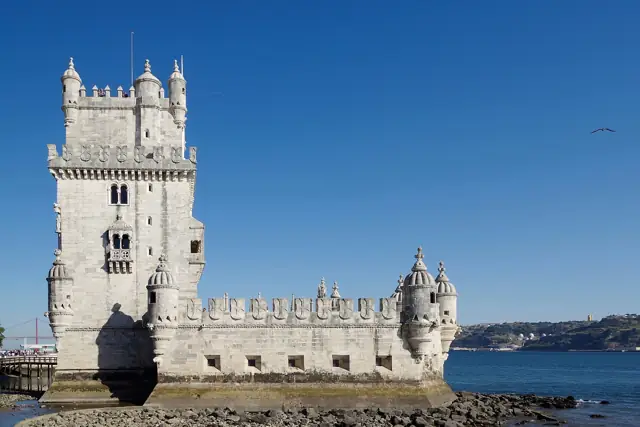
Belém Tower
A 16th-century fortress on the Tagus, decorated in Manueline style, that once guarded the gateway to Lisbon.
 Nature
Benagil Cave
The Algarve's famous sea cave, with a round skylight in its domed roof, reached by boat, kayak or paddleboard.
 Landmark
Pena Palace
A riot of red and yellow towers on a forested hilltop above Sintra, Pena is Portugal's most theatrical palace and the…
Porto on the map
Frequently asked questions
How many days do you need in Porto?
Two or three days covers Ribeira, Gaia's port cellars, Baixa and Foz at a relaxed pace. Add a day for a Douro Valley trip.
How do I get from Porto airport to the city centre?
Take metro line E (violet) to Trindade, which takes around 30 minutes. Taxis and ride-hailing apps are also good value, especially for groups or late arrivals.
Is Porto cheaper than Lisbon?
Generally, yes. Hotels, food and drink tend to cost a little less in Porto, although prices rise in summer and around big events.
Is Porto a walkable city?
Yes, the centre is compact, but it is very hilly. Use the metro, the Guindais funicular or a taxi for the steepest climbs, and wear comfortable shoes.
Written by
Emma City breaks & deals editor
Emma plans city breaks the way other people plan the weekly shop: on a budget, with a spreadsheet and a backup plan. She covers city guides and deal-hunting.
More from EmmaWe research every guide carefully, but prices, opening times and timetables change. Check them shortly before you travel. Links to our booking partners are affiliate links.