- Arrive at opening time to beat the heat and the coach tours
- The entry fee is in two parts, and cash is still useful
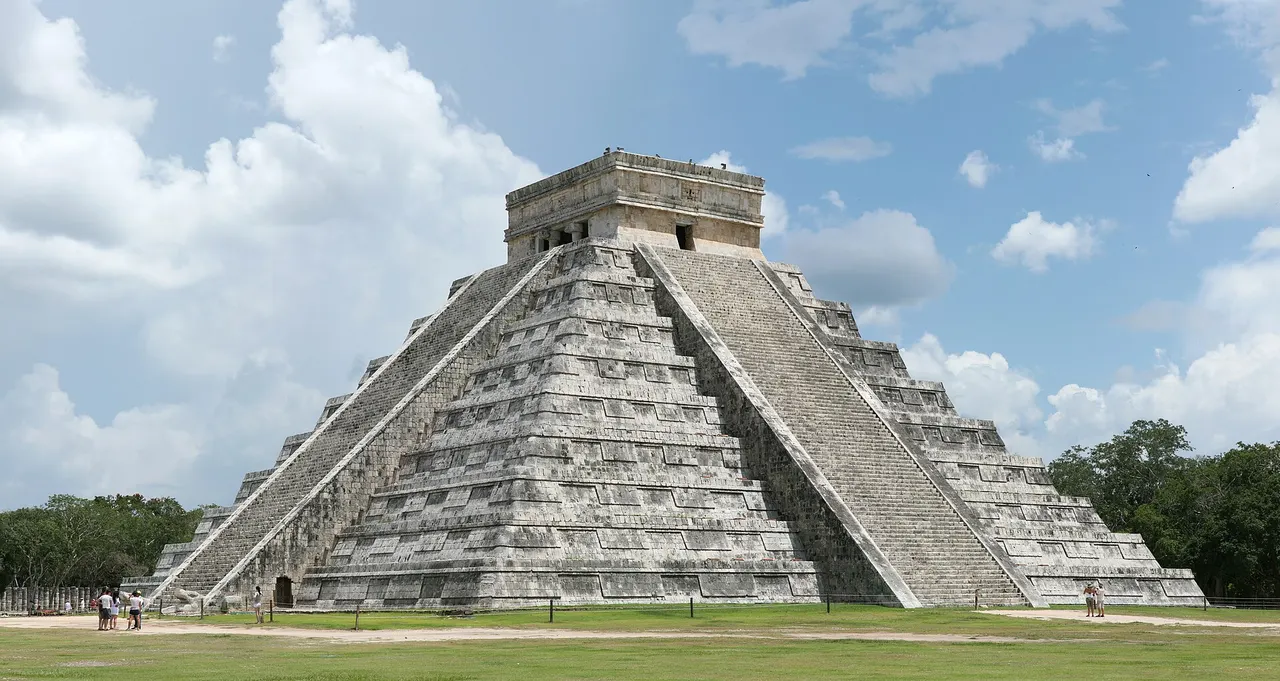
- You cannot climb El Castillo
- Stay in Valladolid the night before for the earliest start
- Type
- Historic site
- Where
- Cancún & Riviera Maya
- Time needed
- 2.5-3 hours on site
- Admission
- from about MX$650 for foreign visitors (2026), check before you go
Chichén Itzá was one of the largest Maya cities, flourishing between roughly the 9th and 12th centuries, and today it is Mexico's most visited archaeological site. It is a UNESCO World Heritage Site and was named one of the New Seven Wonders of the World in 2007. The setting is open and grassy rather than jungle-covered, which makes the scale of the buildings all the more striking.
It lies inland in Yucatán state, and is the most popular day trip from Cancún and the Riviera Maya. See our Mexico guide for the bigger picture.
What you'll see
The centrepiece is El Castillo, the Temple of Kukulcán, a stepped pyramid with 91 steps on each side plus the top platform, adding up to 365, one for each day of the year. At the spring and autumn equinoxes, the late-afternoon sun casts a pattern of triangles down the northern staircase that looks like a serpent descending. Climbing the pyramid has been banned since 2006.
Nearby, the Great Ball Court is the largest in Mesoamerica, with carved reliefs of players and stone rings set high on the walls. Don't miss the Temple of the Warriors with its rows of carved columns, the platform of skulls (Tzompantli), the observatory known as El Caracol, and the Sacred Cenote, a natural sinkhole where offerings were thrown.
Tickets and tips
The entry fee for foreign visitors is made up of a federal (INAH) fee and a Yucatán state fee, which together come to around MX$650 (2026); prices rise regularly, so check before you go. Cards are now usually accepted, but carry pesos as back-up. Video cameras and drones need extra permits.
The site opens at 8am and gets busy from about 10.30am, when tour coaches arrive from the coast. There is little shade, so bring a hat, sun cream and water. Allow two and a half to three hours. Guides can be hired at the entrance.
Getting there
Chichén Itzá is about 200 km, or two and a half hours, west of Cancún on the toll motorway, roughly two hours from Tulum and an hour and a half from Mérida. ADO buses run from Cancún, Mérida and Valladolid, and the Tren Maya has a station at Chichén Itzá, with a shuttle to the entrance. To get there at opening time, stay overnight in Valladolid, 45 minutes away, or at one of the hotels next to the site. Most organised tours from the coast add a cenote swim, such as Ik Kil, and a stop in Valladolid.
Where is Chichén Itzá?
Open in OpenStreetMap · 20.68285, -88.56865
Frequently asked questions
Can you climb Chichén Itzá?
No. Climbing El Castillo has been prohibited since 2006 to protect the structure. Some smaller sites, such as Cobá, have their own rules, so check locally.
Is Chichén Itzá worth it from Cancún?
Yes, if you go early. The drive is long, so either set off at dawn or stay a night in Valladolid to see it in peace.
When is the equinox at Chichén Itzá?
Around 20-21 March and 22-23 September. The serpent effect is visible for several days either side, but the site is extremely crowded on the equinox itself.
Written by
Anna Beach, family & practical travel editor
Anna knows which beach has shade at 3pm and which car hire excess is a rip-off. She covers sun, islands, family trips and practical travel tips.
More from AnnaOpening times and ticket prices change often; check the official website shortly before you visit.