- Visit the Sultan Qaboos Grand Mosque in the morning, as non-Muslim visiting hours are limited
- Mutrah Corniche and souq are best in the late afternoon and evening
- Beach resorts lie along the coast, so a hire car or taxis are needed
- Winter is warm and sunny; summer is extremely hot
- Airports
- Muscat International (MCT)
- Best time to go
- October-April
- Type
- City
Muscat is not like other Gulf capitals. Strict planning rules keep buildings low and white, and the city stretches for some 50km along the coast in a string of neighbourhoods divided by bare, jagged mountains. There is plenty to see in a couple of days, from a vast modern mosque to an old-fashioned souq, and it makes a relaxed base for beach time and boat trips before heading inland. See our Oman guide for the rest of the country.
Where to stay
- Mutrah – the old port area with the Corniche and souq. Characterful, with mid-range hotels and views of the harbour.
- Qurum and Shatti Al Qurum – central, with a long public beach, good restaurants and large hotels close to the Royal Opera House.
- Al Bustan and the south-east coast – luxury resorts in secluded coves between the mountains, a short drive from Old Muscat.
- Al Mouj and Seeb – newer developments near the airport, with a marina and beach hotels.
Things to do
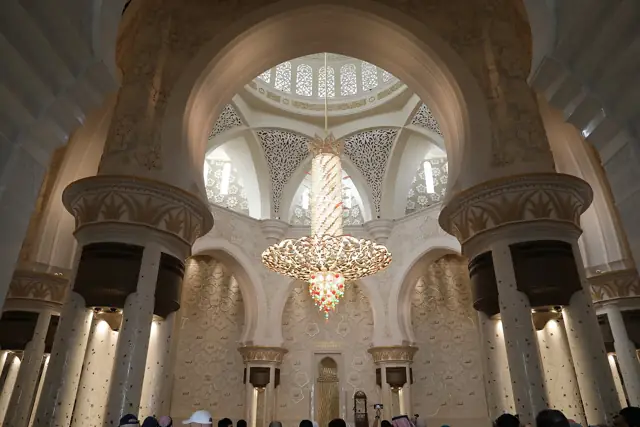
- Sultan Qaboos Grand Mosque – a magnificent mosque with one of the world's largest hand-woven carpets and a vast chandelier. Non-Muslims can visit on Saturday to Thursday mornings, usually about 8-11am; men and women must cover arms and legs, and women need a headscarf.
- Mutrah Souq and Corniche – browse for frankincense, silver and textiles in a maze of covered alleys, then stroll the waterfront at sunset.
- Old Muscat – see the ceremonial Al Alam Palace, flanked by the 16th-century Portuguese forts of Jalali and Mirani, and visit the National Museum.
- Royal Opera House Muscat – take a tour or see a performance in the elegant marble building.
- Boat trips – dolphin-watching cruises and snorkelling trips to the Daymaniyat Islands nature reserve or the coves of Bandar Khayran.
- Beaches – Qurum is the main city beach; resort beaches further out are calmer.
- Day trips – Wadi Shab, the Bimmah Sinkhole and Nizwa are all reachable in a day. For the desert, plan an overnight stay at the Wahiba Sands.
Getting there and around
Muscat International Airport is in the north-west of the city, about 20-40 minutes by road from most hotels. Oman Air flies direct from London Heathrow in about seven hours. Taxis are plentiful but often unmetered, so agree a price first or use apps such as OTaxi. Mwasalat buses run on several city routes, but most visitors hire a car, which also makes day trips easy.
When to go
October to April is the season, with sunny days around 25-30 °C, warm seas and comfortable evenings. December to February is the most pleasant and the busiest. From May to September, temperatures regularly exceed 40 °C with high humidity, so outdoor sightseeing is hard, though hotel prices drop sharply.
Top attractions in Muscat

Muscat on the map
Frequently asked questions
How many days do you need in Muscat?
Two days covers the Grand Mosque, Mutrah and Old Muscat. Add a day or two for a boat trip and the beach, then head inland or along the coast.
Can you swim in the sea in Muscat?
Yes. Qurum and the resort beaches are good for swimming, and the water is warm most of the year. Dress modestly away from the beach.
Is Muscat a good stopover?
Yes. It is compact enough for a two- or three-day stopover and quieter than other Gulf hubs. Oman Air sometimes offers stopover deals on flights to Asia.
Written by
Thomas Ski, mountains & expeditions editor
Thomas is happiest above the tree line or below the Antarctic Circle. He writes our ski, mountain and polar expedition guides.
More from ThomasWe research every guide carefully, but prices, opening times and timetables change. Check them shortly before you travel. Links to our booking partners are affiliate links.