- Allow at least two weeks: Australia is roughly the size of mainland Europe and internal flights eat time
- Apply for a free eVisitor or an ETA before you fly, only through official Australian government channels
- Spring (September-November) and autumn (March-May) suit Sydney, Melbourne and Uluru
- The tropical north is best from May to October, outside the wet and stinger season
- Airports
- Sydney (SYD), Melbourne (MEL), Brisbane (BNE), Perth (PER), Cairns (CNS)
- Flight time
- about 22-24h with one stop from London to Sydney; around 17h nonstop London to Perth when Qantas operates it direct
- Best time to go
- September-November and March-May for most of the country; May-October for the tropical north
- Currency
- Australian dollar (A$)
Australia is the big trip many UK travellers save up for, and it deserves the effort. You get world-class cities with beaches on their doorstep, the deep red landscapes of the Outback, rainforest and reef in tropical Queensland, and a wine and food scene that rivals anywhere.
The catch is scale and distance. The flight is long, the country is vast and trying to see everything in a fortnight is the most common mistake. This guide, one of our Oceania guides, covers where to go, when to travel, how to get there and what a trip costs in 2026, so you can build a route that is realistic rather than exhausting.
Where to go in Australia
Sydney
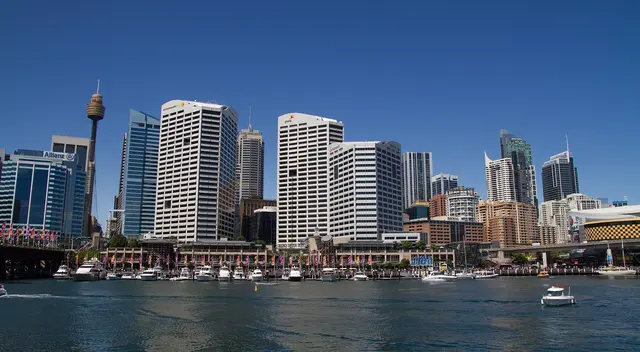
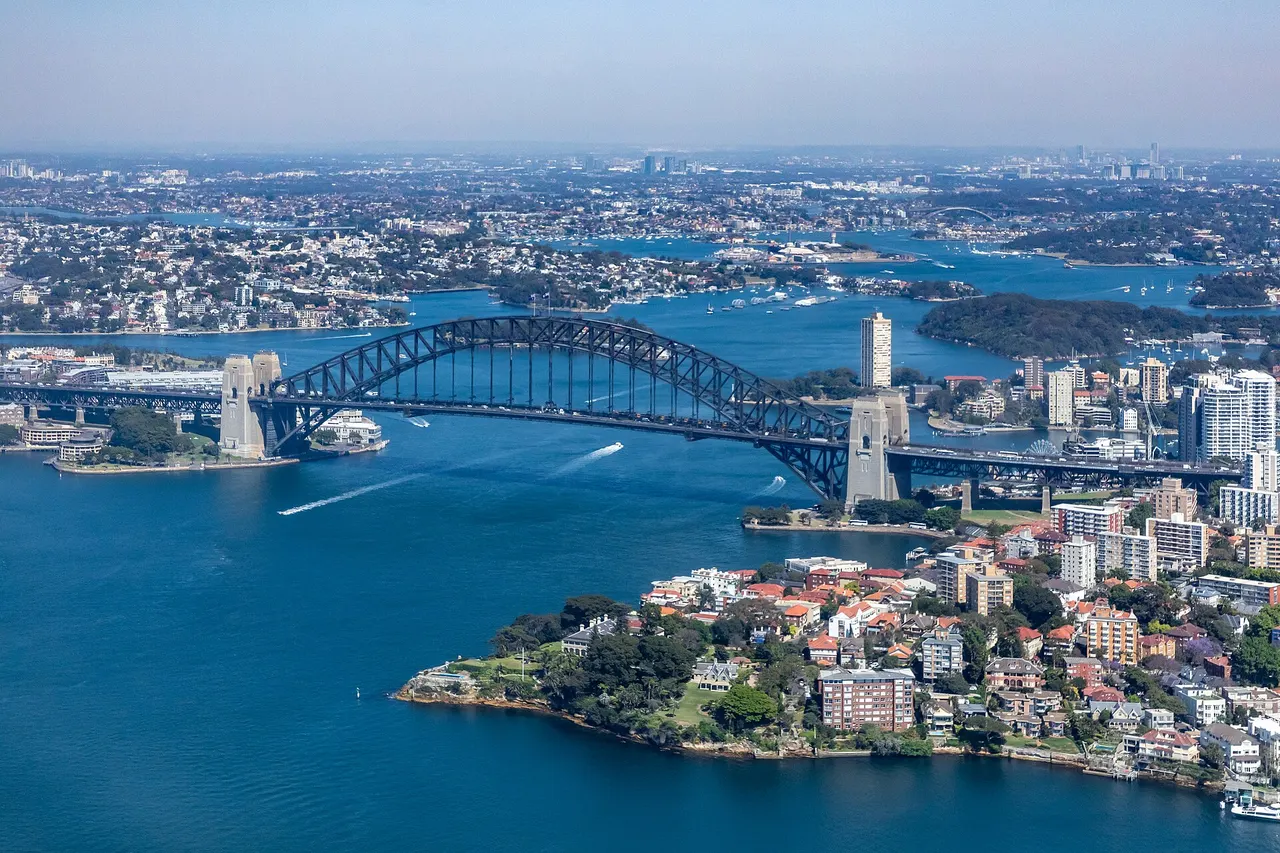
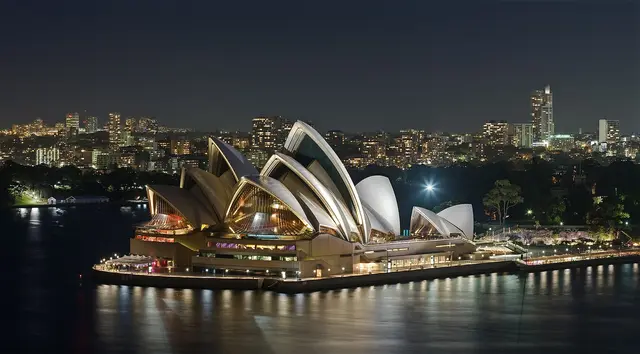
Sydney is where most first trips start. The harbour is the star: take the ferry to Manly, walk across the Harbour Bridge and book a tour or a performance at the Sydney Opera House. Bondi and the coastal walk to Coogee are a short bus ride away, and the Blue Mountains make an easy day trip.
Melbourne
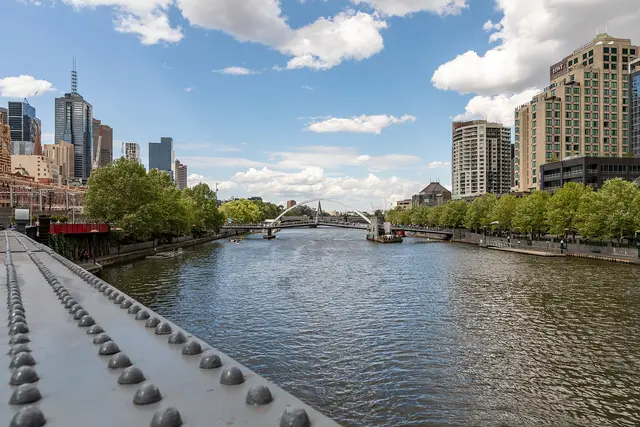
Melbourne is Sydney's more laid-back rival, known for laneway cafés, galleries, live music and sport. It is also the gateway to the Great Ocean Road, one of the world's great coastal drives, and to Phillip Island's penguin parade.
Uluru and the Red Centre
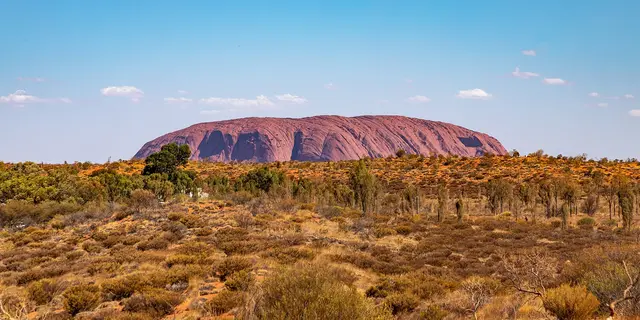
Nothing prepares you for the scale of Uluru rising from the desert, especially at sunrise or sunset. Two or three nights at Yulara, the resort village nearby, lets you add Kata Tjuta and, with more time, Kings Canyon.
Queensland and the Great Barrier Reef
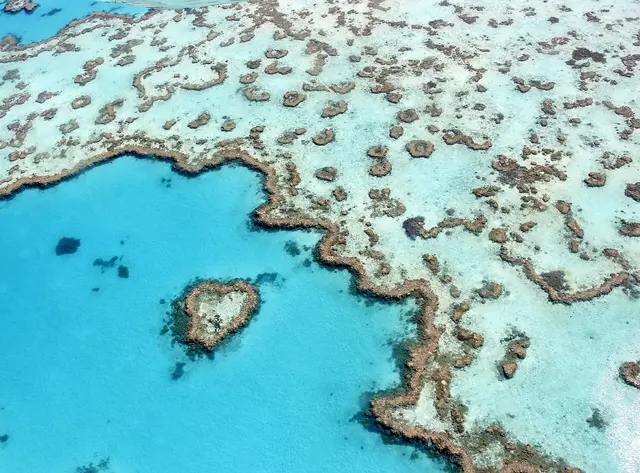
Cairns and Port Douglas are the main bases for the Great Barrier Reef and the Daintree Rainforest, while Airlie Beach and the Whitsunday Islands offer sailing trips and the white silica sand of Whitehaven Beach.
Perth, Tasmania and beyond
Perth has the sunniest climate of any Australian capital, Rottnest Island and its quokkas, and the Margaret River wine region three hours south. Tasmania suits walkers and food lovers, with Cradle Mountain, Freycinet and Hobart's MONA gallery.
Best time to visit Australia
Seasons are the reverse of the UK's, and the north and south have very different climates.
| Season | What to expect |
|---|---|
| Spring (September-November) | Warm and pleasant in Sydney, Melbourne and Uluru; wildflowers in Western Australia; a great all-round choice |
| Summer (December-February) | Hot, busy and pricey around Christmas and school holidays; beach season in the south; wet season and stingers in the tropical north |
| Autumn (March-May) | Settled, mild weather in the south and Red Centre; the north starts to dry out |
| Winter (June-August) | Cool in Melbourne and Sydney, cold nights at Uluru, ideal dry and warm weather in Cairns and the Top End |
If you only go once and want to combine the cities, Uluru and the reef, October-November and April-May are the best compromise.
Getting to Australia from the UK
Most travellers fly with one stop. The main routes connect through Singapore (Singapore Airlines, British Airways, Qantas), Dubai (Emirates), Doha (Qatar Airways), Abu Dhabi (Etihad) and Hong Kong (Cathay Pacific), with total journey times of about 22-24 hours to Sydney or Melbourne. Qantas has also operated nonstop flights between London and Perth of around 17 hours, though the route has at times been rerouted via Singapore, so check the current schedule.
Breaking the journey with a night or two in Singapore or Dubai (see our Dubai stopover guide) makes the jet lag much easier to manage. Australia is 9-11 hours ahead of the UK depending on the time of year.
Entry requirements
British passport holders need an electronic visa before travelling. Most can apply for a free eVisitor (subclass 651) or an Electronic Travel Authority (ETA, subclass 601), which is applied for through the official AustralianETA app for a small service fee. Both normally allow stays of up to three months per visit. Apply only through official Australian government channels, as third-party sites charge extra. Rules change, so check GOV.UK foreign travel advice and the Australian Department of Home Affairs before booking.
Getting around
Distances are huge: Sydney to Perth is about a five-hour flight. Qantas, Virgin Australia and Jetstar link all the main cities, and flying is the only sensible way to cover a big itinerary. Hire cars and campervans are ideal for the Great Ocean Road, Tasmania or the Queensland coast.
Money and costs
Australia uses the Australian dollar. It is not a cheap destination: eating out and accommodation cost roughly what they do in London, and tours such as reef trips or Uluru experiences add up quickly. As a rough guide, budget travellers can manage on about A$120-180 per person per day in hostels, while a mid-range trip with hotels, meals out and some tours is more like A$300-400 per person per day. Cards and contactless payments are accepted almost everywhere. Tipping is not expected, as wages are relatively high, though rounding up or leaving around 10% for good restaurant service is appreciated.
Top attractions in Australia
 Nature
Great Barrier Reef
The world's largest coral reef system, best explored on a day trip to the outer reef from Cairns, Port Douglas or the…
 Landmark
Sydney Opera House
Jørn Utzon's sail-roofed masterpiece on Bennelong Point is Sydney's defining landmark, best enjoyed on a tour or at a…
 Nature
Uluru
Australia's great red monolith, sacred to the Anangu people, is at its most powerful at sunrise and sunset.
Australia on the map
Frequently asked questions
How long do I need for a holiday in Australia?
Two weeks is the realistic minimum for a first trip covering Sydney plus one or two other regions. Three weeks lets you add Uluru, the reef and Melbourne without rushing, or combine Australia with New Zealand.
Do British citizens need a visa for Australia?
Yes, but for tourism it is usually a quick online application: a free eVisitor or an ETA through the official app. Apply well before you book flights, and check the current rules with GOV.UK and the Australian government.
When is the cheapest time to fly to Australia from the UK?
Fares tend to be lowest from late April to June and from mid-September to November, outside UK and Australian school holidays. Christmas and January are usually the most expensive.
Is it worth stopping over on the way to Australia?
For most people, yes. A one- or two-night stop in Singapore or Dubai breaks a 22-hour journey in two and helps you arrive feeling human. Many airlines allow a stopover at little or no extra cost.
Written by
Thomas Ski, mountains & expeditions editor
Thomas is happiest above the tree line or below the Antarctic Circle. He writes our ski, mountain and polar expedition guides.
More from ThomasWe research every guide carefully, but prices, opening times and timetables change. Check them shortly before you travel. Links to our booking partners are affiliate links.