- Spend a few days in Panama City for the canal and Casco Viejo, then pick islands or highlands
- San Blas is best for castaway islands; Bocas del Toro for a livelier Caribbean scene
- The dry season runs from mid-December to April
- Panama uses the US dollar, so there is no currency to change
- Airports
- Panama City Tocumen (PTY)
- Flight time
- about 13-15h from London with one stop, usually Madrid or Amsterdam
- Best time to go
- Mid-December to April (dry season) on the Pacific side and in Panama City
- Currency
- US dollar (Panama's balboa coins are used alongside it)
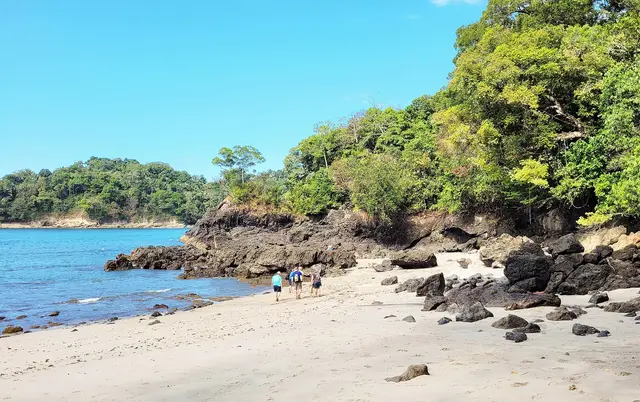
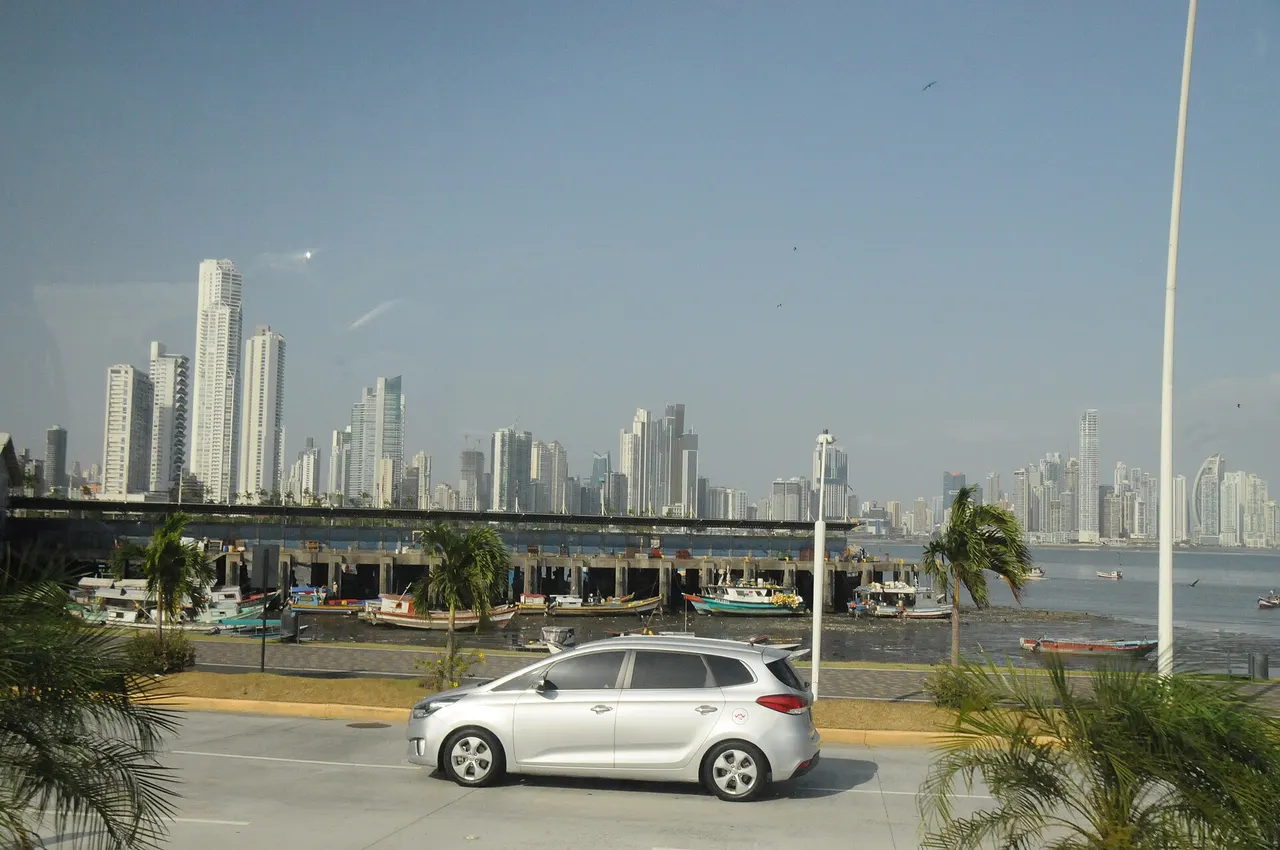
Panama is best known for its canal, but there is far more to it. Panama City is the most cosmopolitan capital in Central America, with a skyscraper skyline facing a restored colonial quarter. An hour's flight takes you to the coral islands of San Blas, the stilt-house hotels of Bocas del Toro or the cool coffee farms around Boquete, and the country has some of the best birdwatching anywhere in the Americas.
Because Tocumen airport is a major hub, Panama is also an easy add-on to Costa Rica or a two-centre trip. This guide, one of our Central America guides, covers where to go, when to travel, flights from the UK and what a trip costs in 2026.
Where to go in Panama
Panama City and the canal
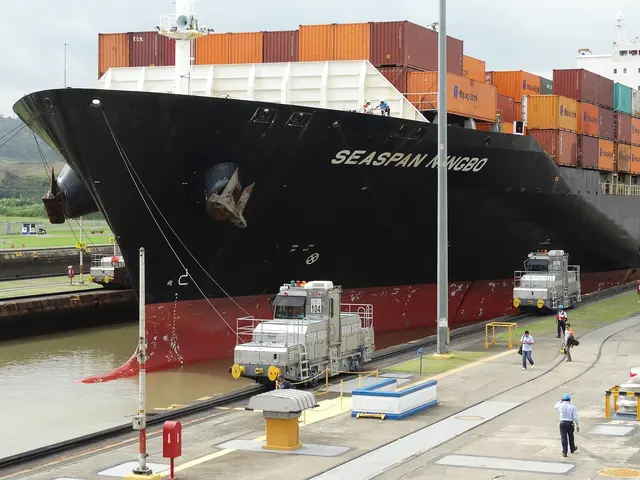
Panama City is a city of contrasts. Casco Viejo, the UNESCO-listed old town, has restored plazas, rooftop bars and boutique hotels; the Amador Causeway is good for a cycle with skyline views; and the Biomuseo explains how the isthmus changed the planet. Watching ships rise and fall at the Panama Canal's Miraflores Locks is a must, and you can also take a boat transit through part of the canal.
Gamboa and the canal rainforest
Less than an hour from the city, Soberanía National Park and the Pipeline Road are famous with birdwatchers, and boat trips on Gatún Lake pass monkeys on small islands as huge cargo ships glide by.
San Blas (Guna Yala)
The San Blas islands on the Caribbean coast are governed by the Indigenous Guna people. Expect palm-fringed islets, simple cabins, fresh fish and very little else. Most visitors go on a one-to-three-night trip by 4x4 and boat from Panama City; book through an operator, as access and fees are controlled by the Guna.
Bocas del Toro
This archipelago near the Costa Rican border has a lively main town on Isla Colón, plus quieter islands, snorkelling, surfing and starfish beaches. It is a short flight from Panama City or a popular overland crossing from Costa Rica's Caribbean coast.
Boquete and the highlands
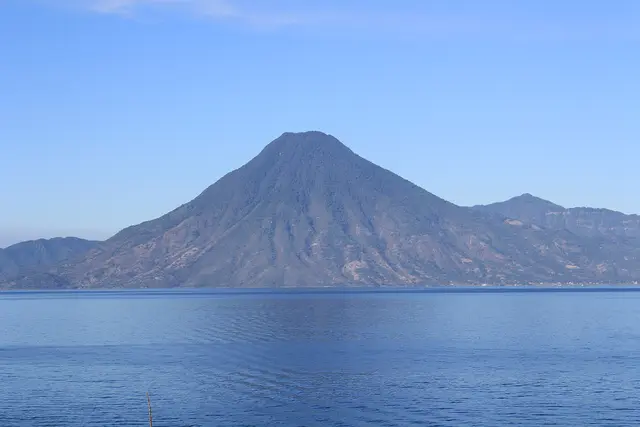
In the western highlands, Boquete is a cool, green town known for Geisha coffee, hiking and the trail up Volcán Barú, the country's highest point. On a rare clear morning you can see both the Pacific and the Caribbean from the summit.
Best time to visit Panama
| Season | What to expect |
|---|---|
| Dry season (mid-December-April) | Sunny and breezy on the Pacific side and in the city; best for San Blas and the highlands |
| Wet season (May-November) | Heavy afternoon rain, especially October-November; quieter and cheaper |
Bocas del Toro follows its own pattern and is often drier in September-October and February-March. Panama lies south of the main hurricane belt, so storms are rare.
Getting to Panama from the UK
There are no direct flights from the UK. The most convenient routes are via Madrid with Iberia or Air Europa, via Amsterdam with KLM, or through US hubs such as Miami and Houston. Expect about 13-15 hours in total. Copa Airlines, based at Tocumen, links Panama City with almost every capital in the Americas, which makes it easy to combine Panama with other countries. Connecting through the US means you need an ESTA.
Entry requirements
British passport holders do not need a visa for tourist visits. You may be asked to show a return or onward ticket and proof of funds, and your passport should be valid for at least three months beyond your stay. The permitted length of stay is set on arrival. Rules change, so check the GOV.UK foreign travel advice for Panama before you book.
Getting around
Domestic flights from Panama City's Albrook airport reach Bocas del Toro, David (for Boquete) and other towns in about an hour. Long-distance buses are cheap and reasonably comfortable. Panama City has a modern metro and app-based taxis. San Blas is reached by organised 4x4 transfer and boat. A hire car is useful in the highlands and along the Pacific coast.
Money and costs
Panama uses the US dollar, with its own balboa coins circulating alongside US coins. Prices are between those of Costa Rica and Guatemala: budget about US$100-150 per person per day for mid-range travel, more for Casco Viejo boutique hotels. Tip about 10% in restaurants if service is not included. Cards work in the city, but carry cash for the islands, where ATMs are scarce or nonexistent.
Top attractions in Panama
Panama on the map
Frequently asked questions
Is Panama worth visiting?
Yes, especially for travellers who like a mix of city, nature and islands with short distances between them. It is also a smart way to end a Central America trip, given the flight connections.
How many days do you need in Panama?
Seven to ten days gives you Panama City and the canal, plus either San Blas or Bocas del Toro and a few nights in Boquete.
Do I need US dollars for Panama?
You can use US dollars for everything; there is no separate paper currency. Bring small notes, as $50 and $100 bills are often refused.
Is San Blas or Bocas del Toro better?
San Blas for remote, unspoilt islands and simple living; Bocas del Toro for more comfort, nightlife and activities.
Written by
Anna Beach, family & practical travel editor
Anna knows which beach has shade at 3pm and which car hire excess is a rip-off. She covers sun, islands, family trips and practical travel tips.
More from AnnaWe research every guide carefully, but prices, opening times and timetables change. Check them shortly before you travel. Links to our booking partners are affiliate links.