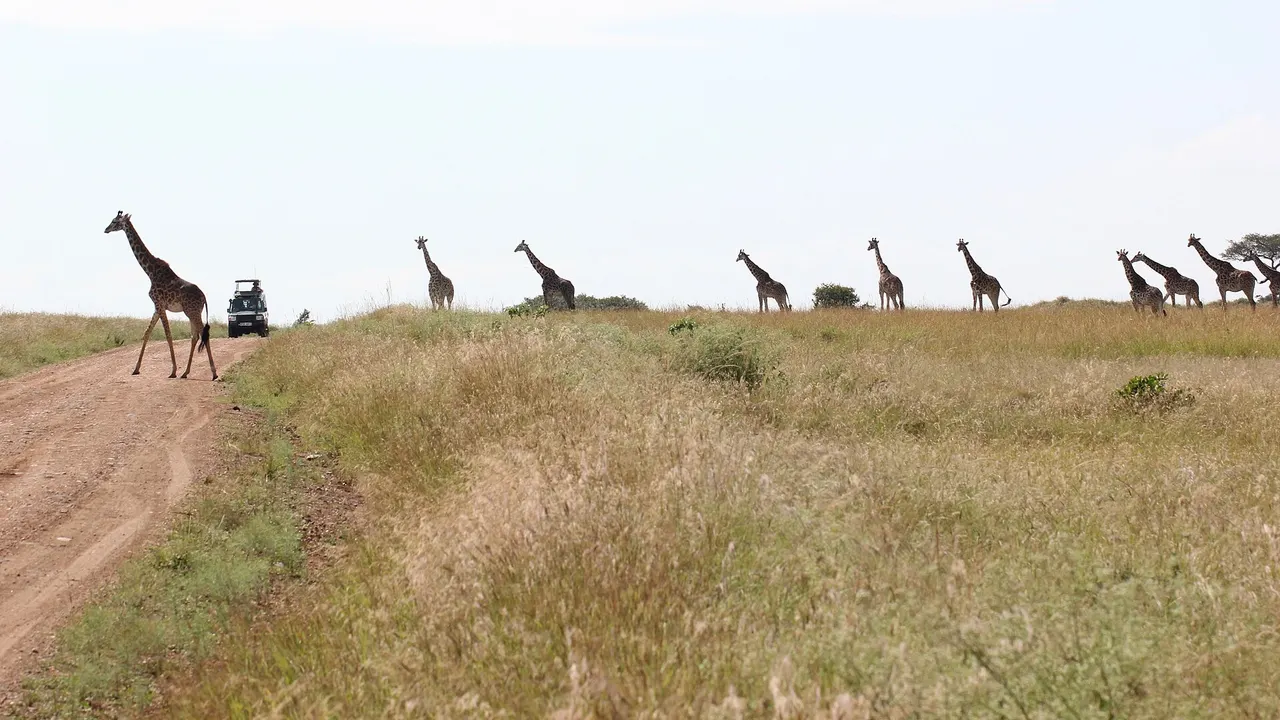
- Kenya is the quickest classic safari, with direct flights and the Maasai Mara
- Tanzania has the Serengeti, Ngorongoro and Zanzibar, but no direct UK flights and higher park fees
- South Africa is the best value and easiest to self-drive, and pairs with Cape Town
- Mid-range safaris typically cost about £300-650 per person per night all-inclusive, plus flights
A first safari is one of those trips people talk about for years. It is also easy to get wrong: picking the wrong month, spending too long on bumpy roads or paying for a luxury camp when a simpler one would have delivered the same sightings. Kenya, Tanzania and South Africa, the three most popular choices for UK travellers, are all excellent; the trick is matching one to your budget, your dates and what you want to see.
This guide compares them honestly, explains what a safari costs in 2026, and sets out when to go, including where to find the Great Migration.
Kenya, Tanzania or South Africa at a glance
| Kenya | Tanzania | South Africa | |
|---|---|---|---|
| Flights from London | Direct to Nairobi, about 8h30 | One stop, about 12-14h | Direct to Johannesburg or Cape Town, about 11-11h30 |
| Time difference | 2-3 hours ahead | 2-3 hours ahead | 1-2 hours ahead |
| Best for | Big cats, the Mara, quick trips | The Serengeti, Ngorongoro, safari plus beach | Value, self-drive, families, city and wine combos |
| Classic combination | Mara + Amboseli + Diani | Serengeti + Ngorongoro + Zanzibar | Kruger + Cape Town + Winelands |
| Rough mid-range cost | £300-600 pppn | £350-650 pppn | From £150 pppn self-drive, £400+ private lodges |
pppn = per person per night, including meals and game drives where relevant.
Kenya: the classic, and the quickest
Kenya is the easiest way to get the iconic East African safari. You can fly overnight from Heathrow to Nairobi, take a 45-minute light-aircraft flight and be on a game drive in the Maasai Mara by lunchtime. The Mara's big-cat sightings are superb all year, and from July to October it hosts the Great Migration's river crossings.
Where Kenya really shines is its private conservancies around the Mara and in Laikipia. They limit the number of vehicles, so you are rarely sharing a lion with a dozen others, and they offer walking safaris and night drives, which national reserves usually do not. Finish on the beach at Diani or Watamu.
Choose Kenya if: you have a week to ten days, want to minimise travel time, or are set on seeing a Mara River crossing.
Tanzania: the big one
Tanzania is the country for scale. The Serengeti is ten times the size of the Maasai Mara, the Ngorongoro Crater offers one of the best chances of seeing black rhino in East Africa, and Tarangire's elephant herds are a sight in the dry season. Because the migration is somewhere in the Serengeti for most of the year, Tanzania is the more flexible choice for migration timing.
The downsides are cost and effort. There are no direct flights from the UK, park fees are among the highest in Africa, and distances between parks are long. The reward is the classic safari-and-beach finish on Zanzibar, a short flight from the parks.
Choose Tanzania if: you have ten days to two weeks, want the widest possible variety, or want to see the calving season in the southern Serengeti.
South Africa: the best value and the easiest
South Africa is the best choice for many first-timers, especially families and anyone on a tighter budget. Kruger National Park has good tarred roads, well-run rest camps and excellent signage, so you can hire a car and drive yourself for a fraction of the cost of a guided safari. The private reserves bordering Kruger, such as Sabi Sand, are famous for leopard sightings and off-road tracking, at prices comparable to East Africa.
It also combines brilliantly with Cape Town, Table Mountain and the Winelands, and malaria-free reserves such as Madikwe and Pilanesberg suit young children. What it lacks are the vast open plains and the Great Migration.
Choose South Africa if: you want to self-drive, travel with children, keep costs down or combine a safari with a city and wine-country break.
What does a first safari cost?
Treat these as rough guides for 2026:
- Budget group camping safaris in Kenya or Tanzania: from about £150-250 per person per day, sharing a vehicle and sleeping in simple tents.
- Mid-range lodges and tented camps: about £300-650 per person per night, usually including meals, game drives and often park fees.
- Luxury conservancy and private-reserve camps: £800 to well over £1,500 per person per night.
- Kruger self-drive: rest-camp chalets and car hire can bring daily costs below £150 per person.
- Flights from the UK: often around £600-1,000 return in economy, more at peak times.
Park fees make a big difference. Kenya's Maasai Mara charges non-residents around US$100-200 per day depending on the season, and Serengeti fees are around US$70-80 per day plus VAT, so always check whether quotes include them. A realistic total for a week-long mid-range East African safari, with flights, is roughly £3,500-6,000 per person.
When to go, and where to find the Great Migration
The best general safari season in East Africa is the dry season, from about June to October, when animals gather around water and the bush thins out. January and February are also very good. The long rains of April and May bring big discounts but some camps close.
The Great Migration moves in a rough loop:
- December to March: southern Serengeti and Ndutu in Tanzania, with calving from about late January to March.
- April to June: central and western Serengeti; Grumeti River crossings around June.
- July to October: northern Serengeti and Kenya's Maasai Mara, with Mara River crossings most likely in August and September.
- November: herds move back south through the Serengeti.
In South Africa, the best game viewing in Kruger is in the dry winter, from May to September, which also happens to be when Cape Town is cool and wet.
Practical tips for first-timers
- Health: most safari areas carry a malaria risk. See a travel clinic six to eight weeks before departure about tablets and vaccinations.
- Luggage: light aircraft usually limit you to about 15kg in a soft bag.
- Clothes: neutral colours, layers for cold early mornings, a hat and good sunglasses. Pack binoculars.
- Insurance: make sure your policy covers medical evacuation. Our travel insurance guide explains what to look for.
- Entry rules: Kenya requires an eTA and Tanzania a visa for British passport holders; South Africa is usually visa-free. Always check GOV.UK before booking.
Not ready for long-haul? Morocco gives a taste of Africa a few hours from the UK, with Marrakech and desert trips to the Sahara.
Frequently asked questions
Which country is best for a first safari?
For most people, Kenya offers the best balance of convenience and classic wildlife, Tanzania offers the most variety, and South Africa offers the best value and easiest logistics. You will not be disappointed by any of them.
How many days do I need on safari?
Four to six nights is a good first trip. Fewer than three nights in one area makes it hard to settle in and see a range of animals.
Is a safari suitable for children?
Yes, especially in South Africa's malaria-free reserves. Many East African camps set minimum ages of around six to twelve for game drives or walks, so check before booking.
Written by
Thomas Ski, mountains & expeditions editor
Thomas is happiest above the tree line or below the Antarctic Circle. He writes our ski, mountain and polar expedition guides.
More from ThomasPrices and timetables are a guide and can change. This article contains affiliate links; if you book through one we may earn a small commission at no extra cost to you. How we work.