- The whole coastline is a protected marine park, ideal for shore diving and snorkelling
- Stay in or near Kralendijk and hire a pick-up truck to reach the dive sites
- Fly via Amsterdam; KLM and TUI serve Bonaire
- A visitor tax and a nature fee for water users are payable online
- Airports
- Flamingo International, Kralendijk (BON)
- Flight time
- about 13-15h from London, usually with one stop in Amsterdam
- Best time to go
- Year-round; April-November for calm seas and fewer visitors
- Currency
- US dollar (US$)
Bonaire is the quietest of the ABC islands and a byword among divers. Its entire coastline has been a marine park since 1979, and the reefs start just metres from the shore, so you can park beside a yellow-painted stone, wade in and be among corals and tropical fish within minutes. Above the water it is dry and low-key, with flamingos feeding in pink salt pans, wild donkeys on the roads and no high-rise resorts.
From the UK it is a long trip usually routed through Amsterdam. Bonaire is four hours behind the UK in winter and five in summer. It uses the US dollar, plugs are mostly the US two-pin type (around 127V), and cars drive on the right. It is a special municipality of the Netherlands, and easy to combine with Curaçao or Aruba.
Entry requirements
British passport holders can usually visit Bonaire visa-free for up to 90 days. Visitors pay a tourist entry tax online before or on arrival, and anyone diving, snorkelling or swimming in the marine park also needs a nature fee tag; check the current amounts on the official Bonaire sites. Your passport should be valid for your stay, and you may be asked for a return ticket and accommodation details. Rules change, so check GOV.UK foreign travel advice before booking.
Where to go in Bonaire
Kralendijk
The small capital has a seafront lined with cafés and dive shops, a handful of good restaurants and most of the island's hotels within a few kilometres. It is the natural base for a first visit.
Klein Bonaire
This uninhabited islet sits just offshore and is ringed by reef. Water taxis run from Kralendijk to No Name Beach, which has excellent snorkelling but no shade or facilities, so take water and sun protection.
The west coast dive sites
More than 80 marked dive sites run along the west coast, from 1000 Steps in the north to the reefs around the salt pier in the south. Most are accessible from the shore, which is why many visitors hire a pick-up truck to carry tanks.
Washington Slagbaai National Park
The northern third of the island is a rugged national park of cactus forest, salt lakes, flamingos and lonely bays, explored on rough dirt tracks. Go early, take plenty of water and allow most of a day.
Lac Bay and the south
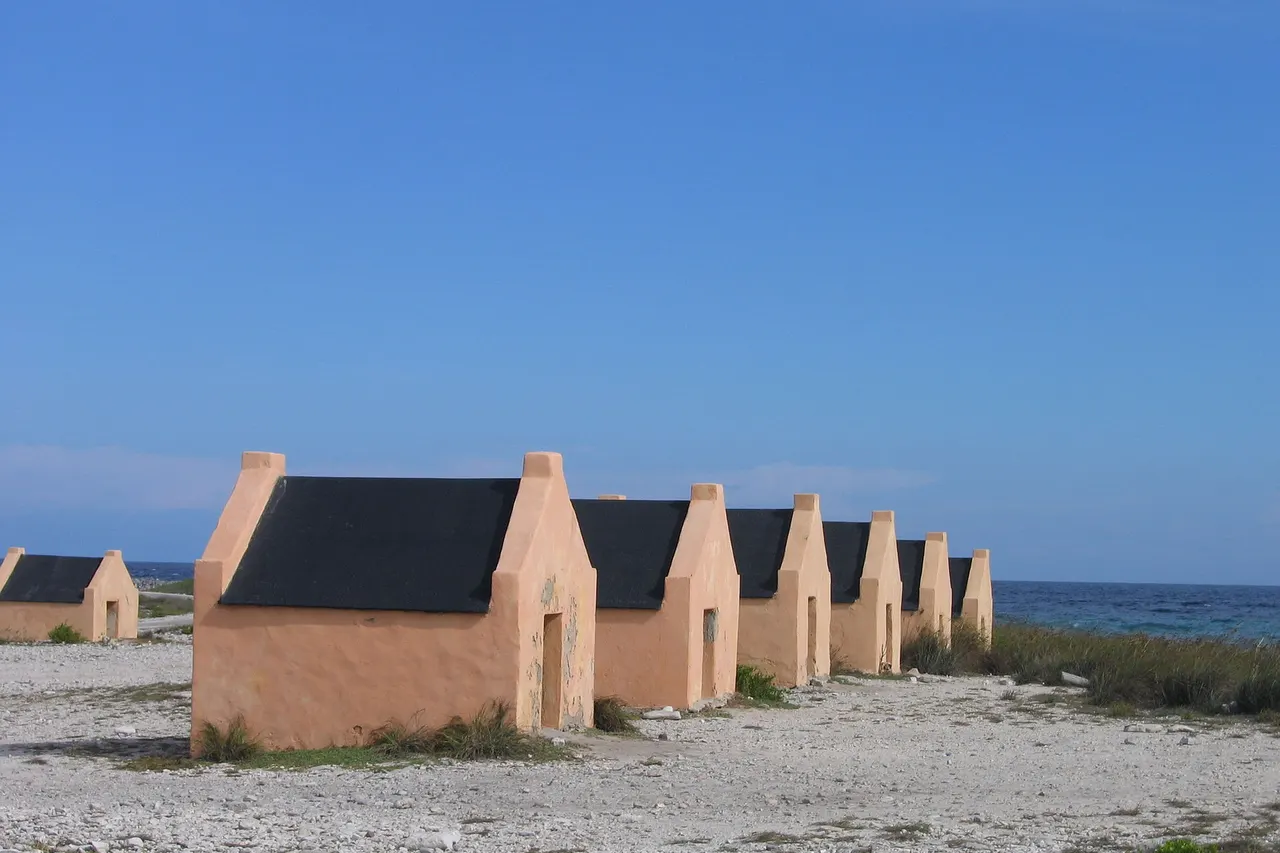
On the east coast, shallow Lac Bay is famous for windsurfing and has mangroves you can explore by kayak. In the south, pink salt pans, white salt mountains and restored 19th-century slave huts are a sobering reminder of the salt trade.
Best time to visit Bonaire
| Season | What to expect |
|---|---|
| Winter (December-April) | Peak season, around 28-30 °C, dry with steady breezes |
| Spring and summer (May-August) | Sunny, windy, good for windsurfing; fewer visitors |
| Autumn (September-November) | Calmest winds and best visibility for diving; occasional showers |
Even if you don't dive, bring or hire a mask and snorkel. Some of the best reef in the Caribbean is a short wade from the beach.
Getting to Bonaire from the UK
There are no direct flights from the UK. KLM flies from Amsterdam to Bonaire, often as a triangle route via Aruba or Curaçao, and TUI also flies from Amsterdam. You can also reach Bonaire on short regional flights from Curaçao. Allow around 13–15 hours in total from the UK.
Getting around
There is almost no public transport, so a hire car or pick-up is essential for most visitors. Roads are quiet and distances short; you can drive from Kralendijk to Washington Slagbaai in about 30 minutes. Bikes and scooters work for getting around town, and taxis are available but not cheap.
Money and costs
Bonaire uses the US dollar, and cards are widely accepted. Groceries and eating out are pricey because almost everything is imported. Budget around £150–220 per person per day for a mid-range trip including accommodation, more if you are diving every day. Many divers save by staying in apartments with a kitchen.
Frequently asked questions
Is Bonaire good if I don't dive?
Yes, for a quiet holiday. Snorkelling, kayaking in the mangroves, windsurfing at Lac Bay and the national park keep non-divers busy, though nightlife is limited.
Does Bonaire have good beaches?
It has small coral-sand beaches rather than long stretches of sand. Sorobon, Te Amo and No Name Beach on Klein Bonaire are the best for lazing.
Is Bonaire outside the hurricane belt?
Yes, it lies south of the main hurricane belt, and direct hits are very rare.
What currency does Bonaire use?
The US dollar, not the euro or the guilder used on Curaçao.
Written by
Anna Beach, family & practical travel editor
Anna knows which beach has shade at 3pm and which car hire excess is a rip-off. She covers sun, islands, family trips and practical travel tips.
More from AnnaWe research every guide carefully, but prices, opening times and timetables change. Check them shortly before you travel. Links to our booking partners are affiliate links.


