- Direct flights from Heathrow to Accra take about 6h30
- No time difference with the UK in winter and English is the official language
- British visitors need a visa in advance and a yellow fever certificate
- Don't miss the Cape Coast and Elmina castles and Mole National Park
- Airports
- Accra Kotoka International (ACC), Kumasi (KMS), Tamale (TML)
- Flight time
- about 6h30 direct from London to Accra
- Best time to go
- November-March for dry weather; July-August is cooler with a short break in the rains
- Currency
- Ghanaian cedi (GHS)
Ghana is often called the gateway to West Africa, and for British travellers it is one of the region's easiest countries to explore. English is the official language, the people are famously friendly and the country has a long, palm-lined coast dotted with fishing villages and the old European forts and castles of the slave trade. Inland are rainforest canopy walks, the Ashanti kingdom's capital Kumasi and elephants at Mole National Park.
Ghana is on GMT all year, so there is no time difference with the UK in winter and one hour in summer. Plugs are mostly the UK three-pin type, though you may also find older round-pin sockets, and traffic drives on the right. This Africa guide covers where to go, when, getting there and costs. Neighbouring Togo and Ivory Coast can be added to a longer trip.
Where to go in Ghana
Accra
The capital is big, busy and creative. Visit the Kwame Nkrumah Memorial Park, the W.E.B. Du Bois Centre, the old Jamestown district with its lighthouse and boxing gyms, and Makola Market. Osu and Labadi have restaurants, bars and the city's best-known beach.
Cape Coast and Elmina
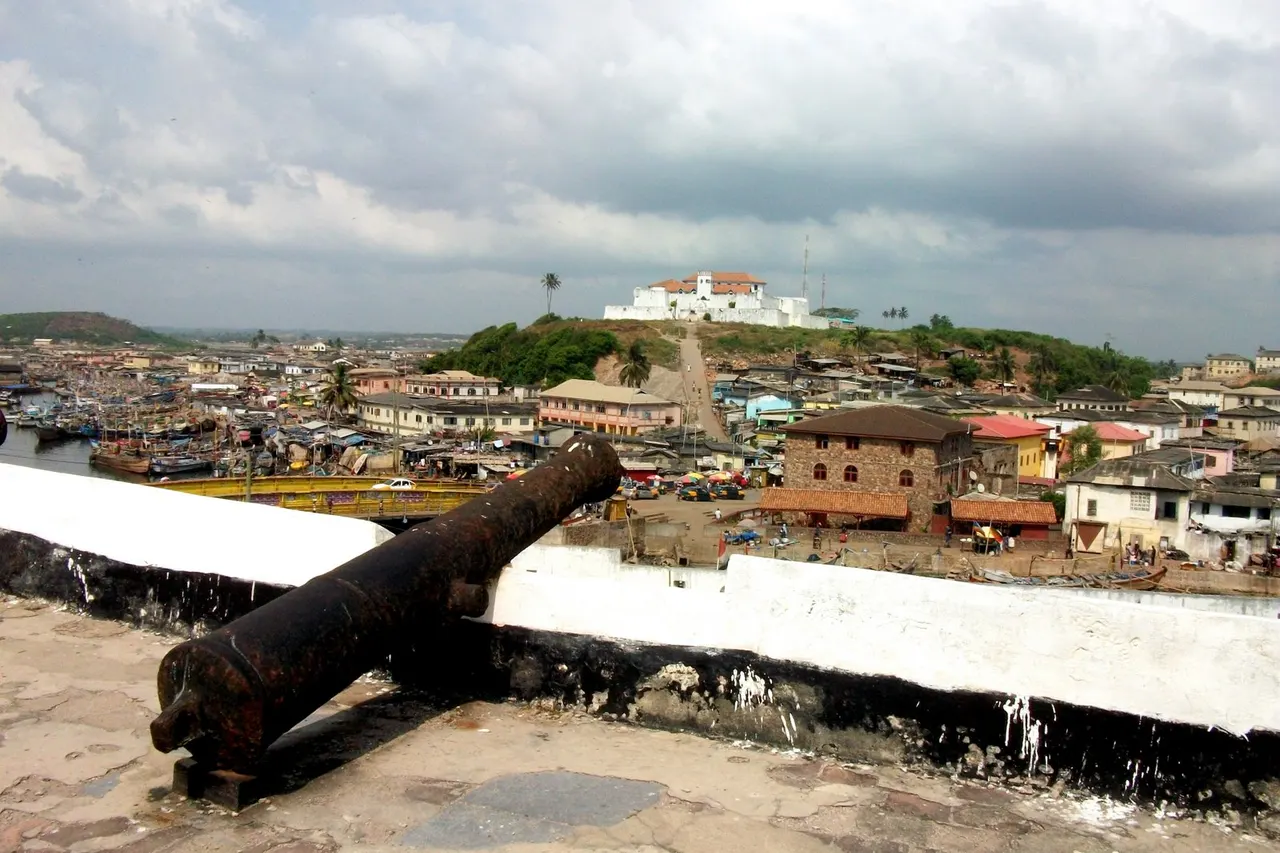
About three hours west of Accra, the castles at Cape Coast and Elmina are UNESCO World Heritage Sites and powerful memorials to the transatlantic slave trade; guided tours of their dungeons are deeply moving. Elmina also has a busy fishing harbour.
Kakum National Park
North of Cape Coast, Kakum's canopy walkway is a series of rope bridges strung high above the rainforest floor. Go early for the best chance of birds and the coolest temperatures.
The western beaches: Busua, Akwidaa and Axim
Ghana's prettiest beaches are in the west, with surf at Busua, quiet eco-lodges near Akwidaa and Cape Three Points, and old forts along the coast.
Kumasi
The heart of the Ashanti kingdom has the Manhyia Palace Museum, Kejetia, one of West Africa's largest markets, and craft villages nearby for kente weaving and Adinkra printing.
Mole National Park and the north
Ghana's largest national park is one of West Africa's most reliable places to see elephants on foot or by vehicle with a ranger, along with antelope, baboons and warthogs. The nearby Larabanga mosque is one of the oldest in the country.
Volta Region
East of Accra, the Volta Region has waterfalls including Wli, Mount Afadja, monkey sanctuaries and Lake Volta, one of the world's largest artificial lakes.
Best time to visit Ghana
| Season | What to expect |
|---|---|
| Dry season (November-March) | Hot, around 30 °C, sunny; dusty Harmattan haze from December to February |
| Main rains (April-June) | Heavy downpours in the south, humid and green |
| Short dry spell (July-August) | Cooler and cloudier on the coast, a good time to travel |
| Second rains (September-October) | Showers in the south; the north is wettest in August-September |
Getting to Ghana from the UK
British Airways usually flies direct from London Heathrow to Accra (ACC) in about six and a half hours. One-stop options include KLM via Amsterdam, Brussels Airlines, Emirates via Dubai, Turkish via Istanbul and Royal Air Maroc via Casablanca. Domestic flights connect Accra with Kumasi, Tamale and Takoradi.
Entry requirements
British passport holders need a visa for Ghana, applied for in advance through the Ghana High Commission in London or its official online system. Your passport should be valid for at least six months. A yellow fever vaccination certificate is required for entry. FCDO advises against all but essential travel to some areas in the far north-east, including around Bawku, because of local conflict. Rules change, so check GOV.UK foreign travel advice before booking.
Getting around
In cities, taxis, Uber and Bolt are easy to use. Tro-tros (minibuses) are cheap but crowded. For long journeys, comfortable coach companies such as VIP and STC link Accra with Kumasi, Cape Coast and Tamale. Many visitors hire a car with a driver, which is often less stressful than self-driving on busy roads.
Ride-hailing apps work well in Accra and Kumasi and save haggling over taxi fares.
Money and costs
The cedi can only be bought in Ghana; change pounds at forex bureaux, or use ATMs, which are common in towns. Cards are accepted in larger hotels and malls, and mobile money is widely used by locals. Prices have risen with inflation, and imported goods are expensive. Allow around 600-1,200 GHS (roughly £35-70) per person per day plus accommodation for mid-range travel.
Frequently asked questions
Is Ghana safe for tourists?
Ghana is considered one of the safest and most stable countries in West Africa. Take normal care with valuables in busy areas and check FCDO advice for the far north-east.
Do British citizens need a visa for Ghana?
Yes. You need to apply in advance, and you will also need a yellow fever vaccination certificate.
How many days do you need in Ghana?
Ten days covers Accra, Cape Coast, Elmina, Kakum and a beach. Add four or five days for Kumasi and Mole National Park.
What is the best beach in Ghana?
Busua and the coast around Akwidaa and Cape Three Points in the west are among the nicest, with fewer crowds than the beaches near Accra.
Written by
Emma City breaks & deals editor
Emma plans city breaks the way other people plan the weekly shop: on a budget, with a spreadsheet and a backup plan. She covers city guides and deal-hunting.
More from EmmaWe research every guide carefully, but prices, opening times and timetables change. Check them shortly before you travel. Links to our booking partners are affiliate links.