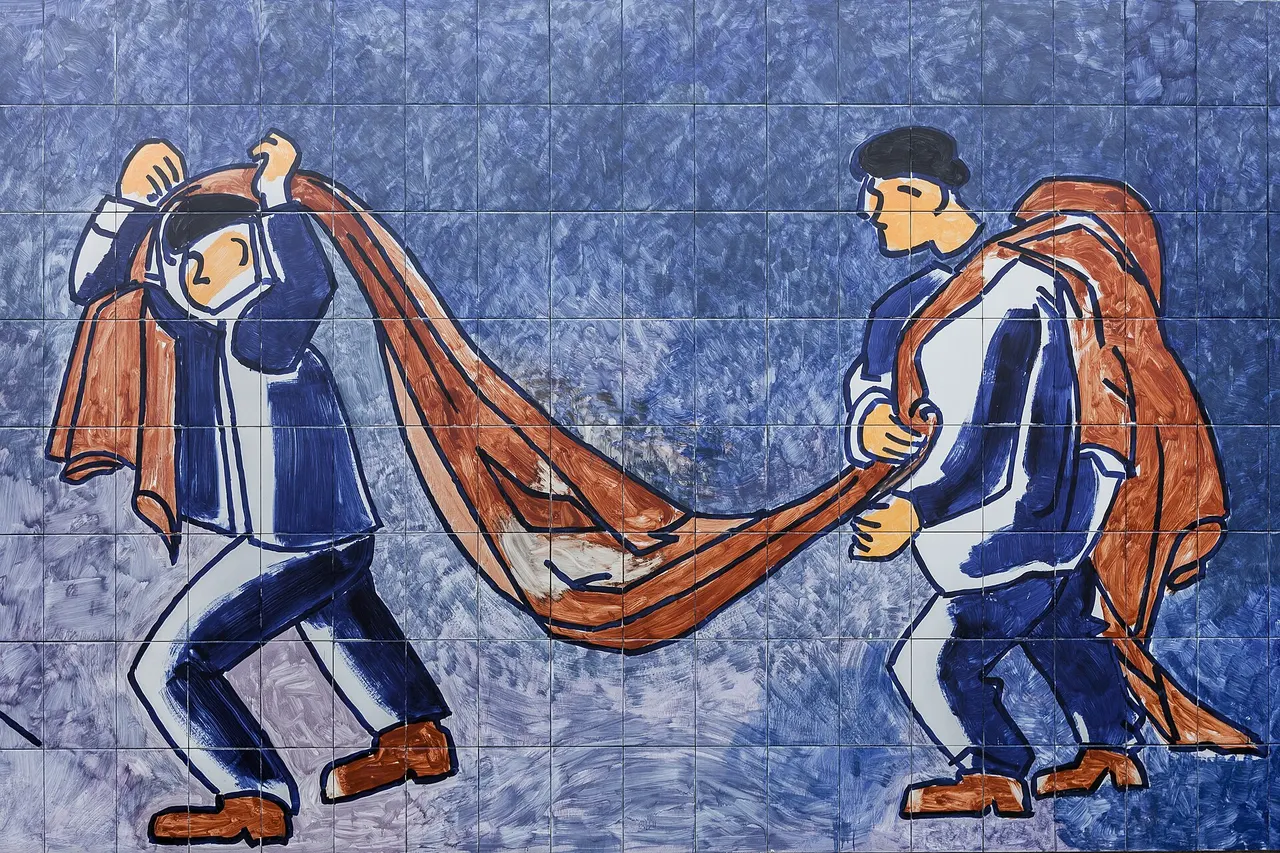
- Santiago de Compostela, the end of the Camino, is the cultural highlight
- The Rías Baixas have the best beaches and the stunning Cíes Islands, which need a permit
- Expect a cooler, greener and wetter climate than southern Spain
- Fly to Santiago or to Porto in Portugal, which has more UK flights
- Airports
- Santiago de Compostela (SCQ), A Coruña (LCG), Vigo (VGO), Porto in Portugal (OPO)
- Best time to go
- June-September
- Type
- Region
Galicia, in Spain's far north-west corner, feels more like Ireland or Cornwall than the Costas. It's a land of green hills, granite villages, misty headlands and long sandy beaches cut by deep sea inlets called rías. The region has its own language, Galician, a Celtic heritage you'll hear in bagpipe music, and a food culture built on superb seafood and crisp Albariño white wine. At its heart is Santiago de Compostela, the end point of the Camino de Santiago pilgrimage.
Spain is one hour ahead of the UK, plugs are the two-pin European type and you drive on the right. Galicia is good value compared with much of Spain, especially for seafood. See our Spain guide for the wider picture.
Where to stay
- Santiago de Compostela – the UNESCO-listed old town around the cathedral is the place for atmosphere and is busy with pilgrims all year.
- Rías Baixas – the south-west coast for beaches: Sanxenxo is the main resort, Baiona is a pretty harbour town, and Cambados is the capital of Albariño wine.
- Vigo – Galicia's biggest city and the departure point for the Cíes Islands.
- A Coruña – a lively port city with city beaches, glassed-in balconies and the Tower of Hercules.
- Lugo and the Ribeira Sacra – inland Galicia, with Roman walls and terraced vineyards above dramatic river canyons.
Things to do
- Santiago de Compostela Cathedral – see pilgrims arriving in the Praza do Obradoiro; walk a final section of the Camino yourself if you like.
- Cíes Islands – white-sand beaches and clear water in the Atlantic Islands National Park. You must apply for a free visitor authorisation online before booking the ferry in busy months.
- Tower of Hercules, A Coruña – a Roman lighthouse still in use, and a UNESCO World Heritage Site.
- Costa da Morte and Fisterra – wild cliffs and the cape once believed to be the end of the world.
- Praia das Catedrais – rock arches on the north coast near Ribadeo, best at low tide. Free access needs booking at peak times.
- Lugo's Roman walls – the only complete Roman city walls in the world, which you can walk along.
- Seafood and wine – try pulpo á feira (octopus with paprika), percebes (goose barnacles) and Albariño in the Rías Baixas.
Check tide times before visiting Praia das Catedrais, and apply for the Cíes Islands authorisation as soon as your dates are fixed, as summer places run out.
Best time to visit
| Season | Weather | Notes |
|---|---|---|
| March-May | About 15-20 °C, showery | Green and quiet; good for walking |
| June-September | About 22-27 °C, drier | Beach season and Camino peak |
| October-November | Mild, rain returns | Seafood season, autumn colours |
| December-February | Cool and wet | Quiet; pilgrims all year |
Getting there
Direct flights from the UK to Galicia are limited, mainly to Santiago de Compostela, taking about 2 hours from London. Many visitors fly to Porto in Portugal, which has many more UK routes; from there it's about 1h30 by car to Vigo and around 2h30 to Santiago, with direct buses available. Ferries from Portsmouth and Plymouth to Santander or Bilbao make a road trip possible. High-speed trains link Madrid with Santiago and A Coruña in around 3h30-4h.
Getting around
Trains and buses connect the main cities, such as Vigo, Santiago and A Coruña, frequently and quickly. For the coast, beaches and rural Galicia, a hire car is by far the best option, and roads are generally quiet. Ferries run from Vigo, Baiona and Cangas to the Cíes Islands in summer.
Top attractions in Galicia
 Landmark
Alhambra
A hilltop palace-fortress of carved stucco, tiled courtyards and water gardens, the Alhambra is the high point of…
 Landmark
Park Güell
Gaudí's hillside park of mosaic benches, gingerbread-style lodges and a famous dragon, with sweeping views over…
 Museum
Prado Museum
One of the world's great art museums, the Prado holds Spain's royal collection, from Velázquez's Las Meninas to Goya's…
 Landmark
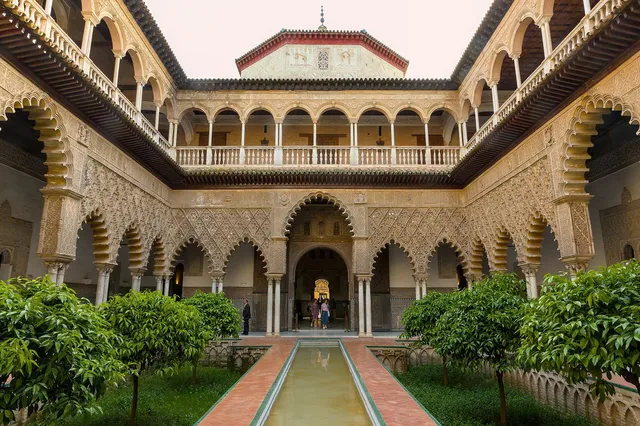
Real Alcázar
A dazzling Mudéjar palace and gardens in the heart of Seville, still used by the Spanish royal family and famous as the…
 Landmark
Sagrada Família
Gaudí's unfinished basilica, with its forest-like nave and glowing stained glass, is Barcelona's must-book sight.
 Nature
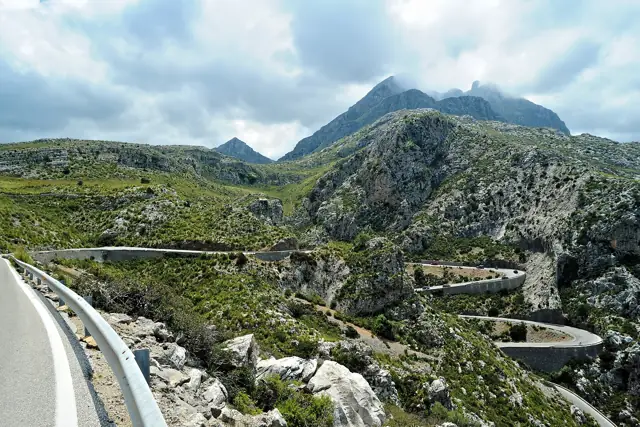
Serra de Tramuntana
A UNESCO-listed mountain range of stone villages, olive terraces and hairpin roads along Mallorca's north-west coast.
Galicia on the map
Frequently asked questions
Is Galicia good for a beach holiday?
Yes, it has some of Spain's most beautiful beaches, especially in the Rías Baixas and the Cíes Islands. The Atlantic is cold, though, rarely much above 19 °C even in August.
Do I need a permit to visit the Cíes Islands?
Yes, between May and September, and at Easter, you need a free authorisation from the Galician government before buying your ferry ticket. Rules change, so check the official site before you go.
How rainy is Galicia?
It's one of the wettest regions in Spain, but summers are usually warm and fairly dry. Pack layers and a waterproof at any time of year.
Can I combine Galicia with Portugal?
Easily. Porto is close to the border, and many people fly into Porto, explore Galicia, then return. The Basque Country is a longer drive east.
Written by
Emma City breaks & deals editor
Emma plans city breaks the way other people plan the weekly shop: on a budget, with a spreadsheet and a backup plan. She covers city guides and deal-hunting.
More from EmmaWe research every guide carefully, but prices, opening times and timetables change. Check them shortly before you travel. Links to our booking partners are affiliate links.