- Fly via Lisbon with TAP or STP Airways
- British passport holders can usually visit visa-free for short stays
- Spend time on both islands: São Tomé for roças and rainforest, Príncipe for beaches
- On GMT, so the same as the UK in winter
- Airports
- São Tomé International (TMS), Príncipe (PCP)
- Flight time
- about 9-10h from London to São Tomé with one stop in Lisbon
- Best time to go
- June-September (gravana dry season); December-February is also fairly dry
- Currency
- São Tomé and Príncipe dobra (STN)
São Tomé and Príncipe is Africa's second-smallest country, a pair of volcanic islands straddling the equator in the Gulf of Guinea. Rainforest climbs steep green peaks, black-and-gold beaches are often completely empty, and crumbling colonial roças, once the world's largest cocoa plantations, now host guesthouses and chocolate makers. Sea turtles nest on the beaches and humpback whales pass offshore in the dry season.
Tourism is gentle and low-key, which is exactly why people love it. The islands are on GMT, matching the UK in winter and one hour behind in summer. Plugs are the European two-pin type C and F, traffic drives on the right and Portuguese is the official language. The local motto is "leve-leve", take it easy. This is one of our Africa destinations.
Where to go in São Tomé and Príncipe
São Tomé town
The small capital has pastel colonial buildings, the Fort of São Sebastião housing the national museum, a lively market and a seafront promenade. It is the base for day trips around the island.
Obô National Park and Pico Cão Grande
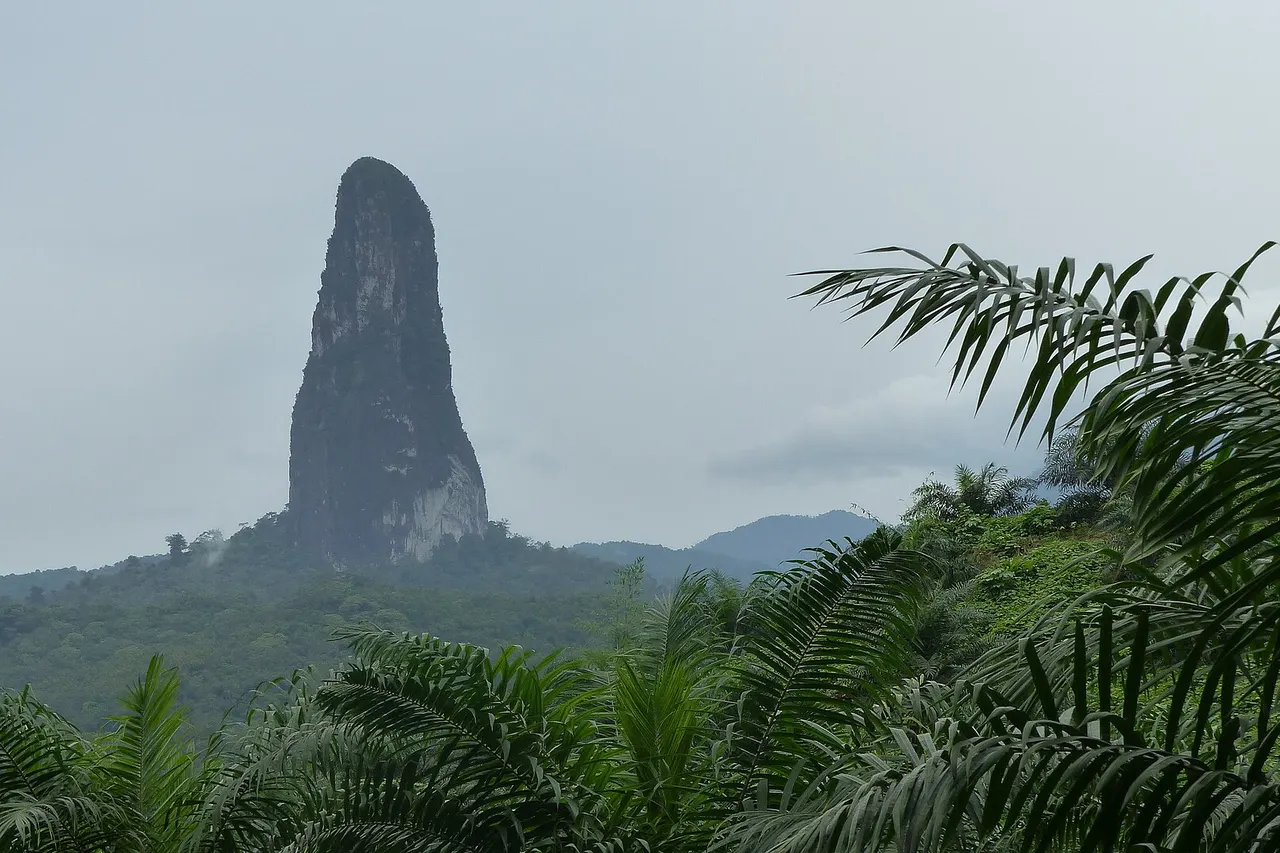
Obô covers the rainforest interior of both islands and is rich in endemic birds and orchids. The needle-shaped Pico Cão Grande, a volcanic plug rising about 300 m above the forest in the south of São Tomé, is the islands' most famous sight. Hikes to Lagoa Amélia, a crater lake, start from the cool highlands around Bom Sucesso.
The roças
Plantation estates such as Roça Agostinho Neto, Roça Monte Café and Roça São João dos Angolares show the islands' cocoa and coffee history. Some offer tastings, meals and rooms, and the chocolate made here is superb.
The south of São Tomé
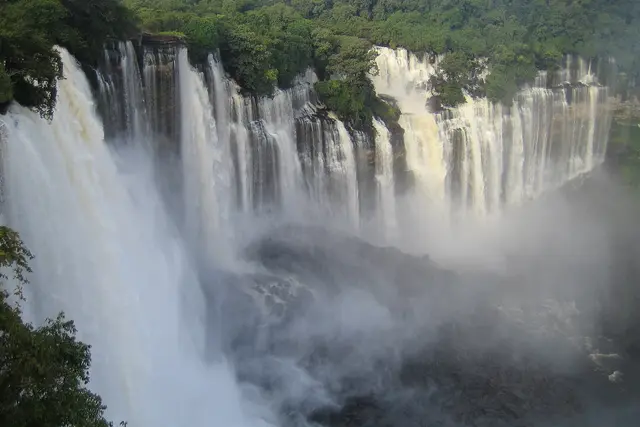
The road south passes waterfalls, fishing villages and beaches such as Praia Piscina and Praia Jalé, where turtles nest between November and March. Ilhéu das Rolas, just off the southern tip, sits right on the equator.
Príncipe
Smaller, quieter and wilder, Príncipe is a UNESCO biosphere reserve. Beaches such as Banana Beach and Praia Macaco are among the most beautiful in Africa, and the island has a handful of high-end eco-lodges, plus simpler guesthouses in the sleepy capital, Santo António.
Best time to visit São Tomé and Príncipe
| Season | What to expect |
|---|---|
| Gravana dry season (June-September) | Cooler, drier and less humid; whale watching |
| Short dry season (December-February) | Hotter with occasional showers; turtle nesting |
| Rainy seasons (October-November, March-May) | Heavy downpours, lush scenery; trails can be muddy |
Getting to São Tomé and Príncipe from the UK
There are no direct flights from the UK. TAP Air Portugal and STP Airways fly from Lisbon to São Tomé, usually several times a week, taking about six and a half hours. There are also connections via Accra and Libreville. Small domestic planes link São Tomé with Príncipe in about 35 minutes; seats are limited, so book early.
Entry requirements
British passport holders can usually visit São Tomé and Príncipe without a visa for stays of up to 15 days. Your passport should be valid for at least six months, and you may be asked for proof of onward travel and accommodation. A yellow fever vaccination certificate may be requested, particularly if arriving from a country with yellow fever risk. Rules change, so check GOV.UK foreign travel advice before booking.
Getting around
On São Tomé, hiring a car or a car with a driver is the easiest way to explore, though roads in the south are rough in places. Shared yellow taxis and minibuses run along the main coastal roads. On Príncipe, lodges arrange transfers and excursions, and boat trips are the best way to reach many beaches.
Money and costs
The dobra is the local currency, but euros are widely accepted in hotels and restaurants. Cards work in only a few places and ATMs often reject foreign cards, so bring enough euros in cash for the whole trip. Guesthouses and roças are moderately priced, around £50-100 per night for a double, while Príncipe's top eco-lodges cost much more.
Book the São Tomé to Príncipe flight at the same time as your international flights, as the small planes fill up quickly.
Frequently asked questions
Is São Tomé and Príncipe safe?
It is generally regarded as one of the safest and most relaxed countries in Africa, with low crime. Usual precautions with valuables still apply.
How many days do you need?
A week to ten days lets you see São Tomé's roças and rainforest and spend a few days on Príncipe.
Is there malaria?
Yes, malaria is present, so speak to a travel health clinic about antimalarials and bring insect repellent.
Can I combine São Tomé with Gabon?
Yes. Flights link São Tomé with Libreville, making it easy to pair with a wildlife trip in Gabon.
Written by
Anna Beach, family & practical travel editor
Anna knows which beach has shade at 3pm and which car hire excess is a rip-off. She covers sun, islands, family trips and practical travel tips.
More from AnnaWe research every guide carefully, but prices, opening times and timetables change. Check them shortly before you travel. Links to our booking partners are affiliate links.