- Most of the big national museums are free
- Tap in with contactless on the Tube and buses, and fares are capped daily
- Book Advance train tickets into London weeks ahead to save a lot
- Stay near a Tube or Elizabeth line station rather than chasing the very centre
- Airports
- London Heathrow (LHR), Gatwick (LGW), Stansted (STN), Luton (LTN), London City (LCY)
- Best time to go
- April-June and September-October; December for lights and markets
- Type
- City
London is a city you can visit a dozen times and still find something new. The British Museum, the National Gallery, the Natural History Museum and Tate Modern are all free to enter, the West End has more theatres than almost anywhere, and every neighbourhood has its own markets, pubs and parks. It is also expensive, so a little planning on where to stay and how to travel goes a long way.
For more ideas across the country, see our United Kingdom guide.
Where to stay
- Westminster and the South Bank – walkable to Big Ben, the London Eye and the theatres; handy for first-timers but pricier.
- Bloomsbury and King's Cross – close to the British Museum and to trains from the north and Scotland, with good-value chain hotels.
- Covent Garden and Soho – the heart of theatreland and nightlife, lively but noisy at night.
- Kensington – elegant streets near the Science, Natural History and V&A museums and Hyde Park.
- Shoreditch and the East End – street art, markets and bars, often cheaper, with quick links to the City.
- Stratford and Docklands – modern hotels near the Elizabeth line and DLR, usually better value at weekends.
Things to do
- British Museum – the Rosetta Stone, the Parthenon sculptures and Egyptian mummies; free, with some paid exhibitions.
- Tower of London – the Crown Jewels, the Beefeaters and 1,000 years of history beside Tower Bridge.
- Westminster – the Houses of Parliament, Westminster Abbey and a walk down Whitehall to Trafalgar Square.
- South Bank – stroll from the London Eye past the Southbank Centre to Tate Modern and Shakespeare's Globe.
- South Kensington museums – the Natural History Museum, Science Museum and V&A sit side by side and are free.
- Markets – Borough Market for food, Camden for crafts and street food, Columbia Road for flowers on Sundays.
- Greenwich – the Royal Observatory, the Cutty Sark and a riverboat back to central London.
- A West End show – same-day and midweek tickets are often cheaper; use the official TKTS booth in Leicester Square.
Best time to visit
London is a year-round city. Late spring and early autumn are pleasant for walking and the parks are at their best. July and August are busy with visitors, while December brings lights on Oxford and Regent streets, ice rinks and markets. January and February are cold and grey but often the cheapest time for hotels.
Getting there
Trains are usually the fastest option. Avanti West Coast runs from Manchester to London Euston in about 2h10 and from Birmingham New Street in about 1h20; Chiltern and London Northwestern trains are slower but cheaper. LNER links York in under two hours and Edinburgh in about 4h20 with King's Cross, and GWR runs from Bristol and Bath into Paddington. National Express and Megabus coaches are the budget alternative. Driving into central London is not recommended because of traffic, parking costs, the Congestion Charge and the ULEZ.
Getting around
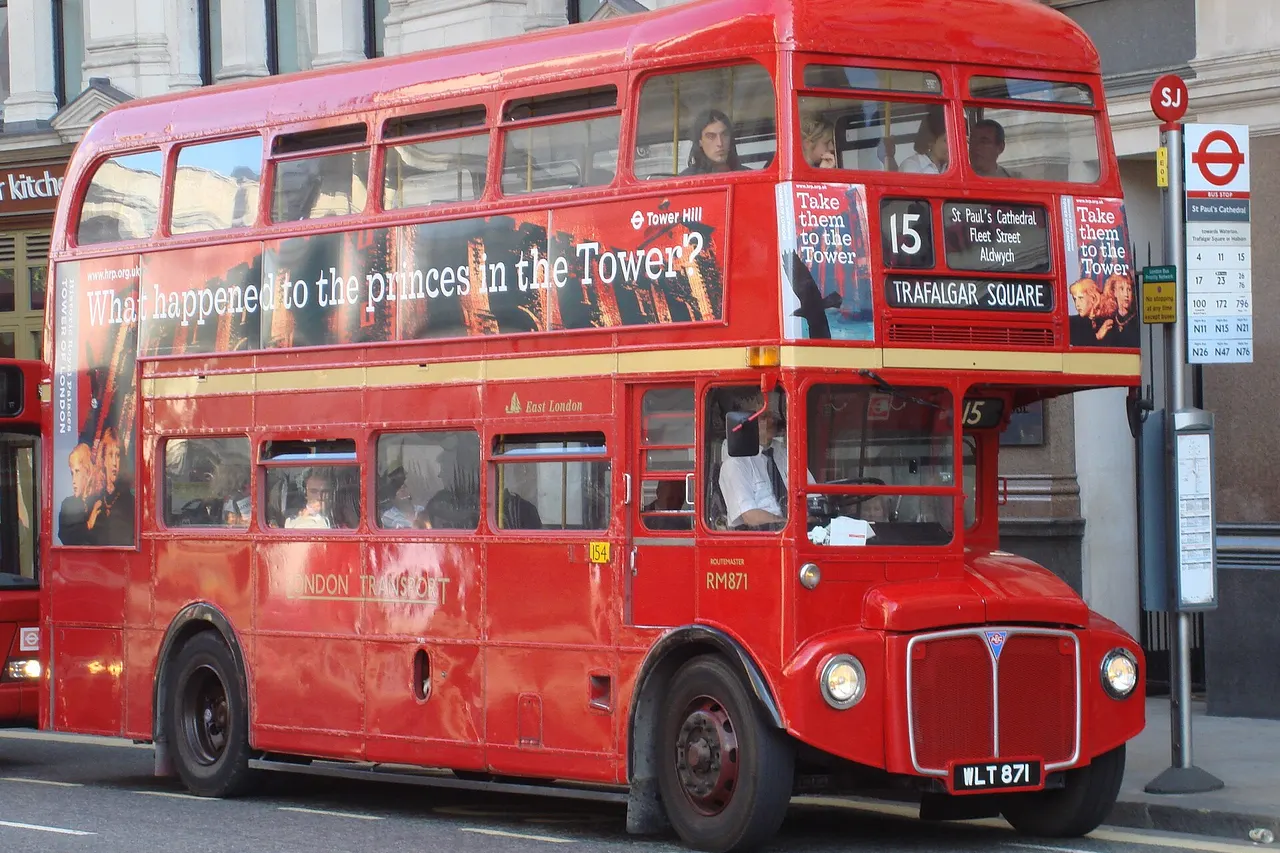
The Tube, Elizabeth line, Overground, DLR and buses are run by Transport for London. Tap in and out with a contactless card or phone, which charges the same fare as an Oyster card and caps how much you pay per day and per week. Buses are a flat fare and a good way to sightsee from the top deck. Santander Cycles hire bikes and Uber Boat river services are fun extras, and much of the centre is easier to cover on foot than you might expect.
Use the same card or phone for every journey in a day, otherwise the daily fare cap will not apply.
Frequently asked questions
How many days do you need in London?
Three days covers the big highlights at a comfortable pace. Four or five lets you add Greenwich, Kew Gardens, a show and a day trip such as Windsor or Oxford.
Are London museums really free?
Most national museums, including the British Museum, National Gallery, Tate Modern, Natural History Museum and V&A, are free to enter. Special exhibitions usually charge, and booking a free timed slot is sometimes advised.
Is it cheaper to stay outside central London?
Usually, yes. Hotels in zones 2-3 near a Tube or Elizabeth line station can be much cheaper, and the commute into the centre is often only 15-25 minutes.
Should I drive to London?
It is best avoided. Leave the car at home or at an outer station, as central London has the Congestion Charge, the ULEZ for older vehicles and very expensive parking.
Written by
Anna Beach, family & practical travel editor
Anna knows which beach has shade at 3pm and which car hire excess is a rip-off. She covers sun, islands, family trips and practical travel tips.
More from AnnaWe research every guide carefully, but prices, opening times and timetables change. Check them shortly before you travel. Links to our booking partners are affiliate links.