- Fly via Bali, Singapore or Darwin to reach Dili
- Atauro Island has some of the world's most biodiverse reefs
- Visas are usually available on arrival for British visitors
- Tourism is very small-scale, so expect simple accommodation and rough roads
- Airports
- Presidente Nicolau Lobato International, Dili (DIL)
- Flight time
- about 20-24h from London to Dili, usually with two stops
- Best time to go
- May-November (dry season); whale migration October-November
- Currency
- US dollar (USD), plus local centavo coins
Timor-Leste (East Timor) became fully independent in 2002 and joined ASEAN in 2025, and it is still one of the least-visited countries in Asia. For divers and snorkellers it is a hidden gem: the waters around Atauro Island have recorded some of the highest reef fish diversity on the planet. Inland, misty mountains are dotted with coffee plantations and Portuguese colonial churches, and the beaches of the far east are almost empty. Facilities are basic and travel takes effort, but the welcome is genuine.
Timor-Leste is 9 hours ahead of the UK in winter and 8 hours ahead during British Summer Time. Plugs are a mix of types, mostly the two-pin European C, E and F and Australian-style I, so a universal adaptor is wise. Traffic drives on the left and the US dollar is the currency. It is easily combined with Bali in Indonesia. This Asia guide covers where to go and how to get there.
Where to go in Timor-Leste
Dili
The small capital stretches along a bay backed by hills. Climb to the Cristo Rei statue for views and swimming at the beaches below, and visit the Resistance Museum and the Chega! exhibition at a former prison to understand the country's painful history. The waterfront has a handful of cafés and dive shops.
Atauro Island
About 25 km north of Dili, Atauro is reached by ferry or fast boat. Its reefs are superb for diving and snorkelling, and simple eco-lodges and homestays make a peaceful base. Dolphins and, in season, whales pass through the strait.
Mount Ramelau and Maubisse
Timor-Leste's highest peak, Mount Ramelau (Tatamailau), rises to nearly 3,000 metres. Most climbers start before dawn from Hatubuilico to watch the sunrise from the summit, staying in the cool mountain town of Maubisse beforehand.
Baucau and the east
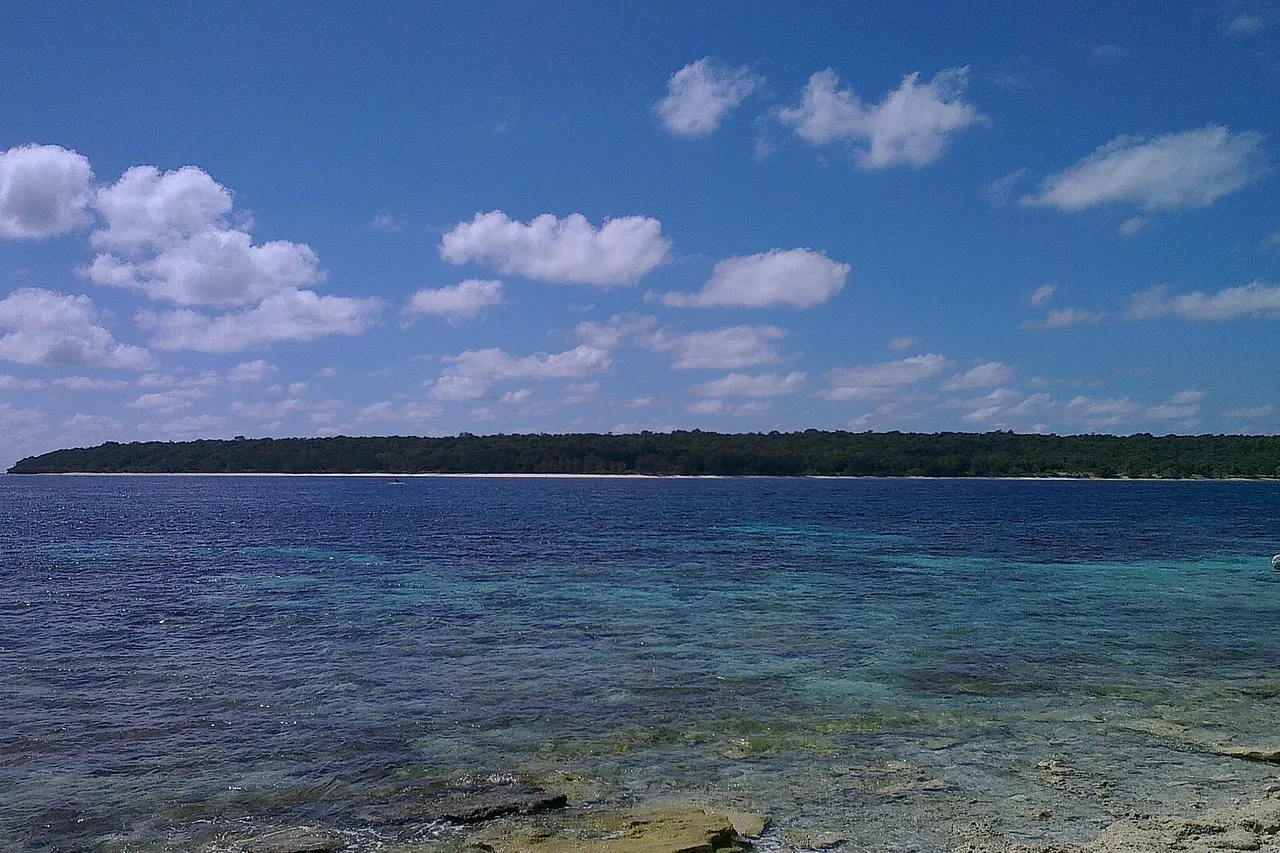
Baucau, the second town, has a Portuguese-era old town and nearby beaches. Further east, Nino Konis Santana National Park protects forest, caves with ancient rock art and Jaco Island, a sacred, uninhabited island with white sand and clear water. Camping and simple guesthouses are the main options.
The south coast
The south coast is wilder, with long surf beaches and crocodile-inhabited rivers, so swim only where locals advise. Roads here are especially rough in the wet season.
Best time to visit Timor-Leste
| Season | What to expect |
|---|---|
| May-July | Start of the dry season, green landscapes; good for hiking |
| August-November | Dry, best visibility for diving; whales and dolphins from about October |
| December-April | Wet season, heavy rain and landslides; some roads impassable |
Getting to Timor-Leste from the UK
There are no direct flights from the UK, and Dili has few international connections. Most travellers fly to Bali (Denpasar), Singapore or Darwin and connect from there, with total journey times of about 20-24 hours including two stops. Schedules change often, so check current routes before booking, and consider a night in Bali or Singapore on the way.
Entry requirements
British passport holders can usually get a 30-day visa on arrival at Dili airport for a fee paid in US dollars. Your passport should be valid for at least six months, and you may be asked for proof of onward travel and funds. If arriving overland from Indonesian West Timor, check the current rules, as visas may need arranging in advance. Rules change, so check GOV.UK foreign travel advice before booking.
Getting around
Outside Dili, roads are often in poor condition, and journeys take far longer than distances suggest. Microlets (minibuses) and buses run between towns but are slow and crowded. Most visitors hire a 4x4 with a driver or join a tour. Taxis are cheap in Dili; agree the fare first. Ferries and fast boats link Dili with Atauro.
Bring all the cash you will need for trips outside Dili. ATMs are rare beyond the capital, and cards are seldom accepted.
Money and costs
Timor-Leste uses the US dollar, with locally minted centavo coins for small change. It is more expensive than you might expect, as much is imported. Guesthouses in Dili usually cost about $40-90 a night, and a mid-range trip with a driver and diving runs roughly $100-200 per person per day. Carry small US dollar notes in good condition.
Frequently asked questions
Is Timor-Leste safe for tourists?
Most visits are trouble-free, and people are friendly. Petty crime occurs in Dili, road travel is the biggest risk, and crocodiles live along some coasts.
How many days do you need in Timor-Leste?
A week covers Dili, Atauro Island and Mount Ramelau. Allow 10-14 days to add the far east and Jaco Island.
What language is spoken in Timor-Leste?
Tetum and Portuguese are the official languages, and Indonesian and English are widely understood, especially in Dili.
Is the diving good in Timor-Leste?
Yes. The reefs around Atauro and along the north coast are excellent and uncrowded, with strong currents in places, so dive with a local operator.
Written by
Anna Beach, family & practical travel editor
Anna knows which beach has shade at 3pm and which car hire excess is a rip-off. She covers sun, islands, family trips and practical travel tips.
More from AnnaWe research every guide carefully, but prices, opening times and timetables change. Check them shortly before you travel. Links to our booking partners are affiliate links.


