- Off the tourist trail, with very few visitors
- FCDO advises against travel to some areas near the DRC border, so check before going
- British travellers need a visa, often available on arrival
- Lake Tanganyika and the Gishora drummers are the highlights
- Airports
- Bujumbura Melchior Ndadaye (BJM)
- Flight time
- about 12-14h from London to Bujumbura, usually with one stop
- Best time to go
- June-September for the main dry season; December-January is a shorter dry spell
- Currency
- Burundian franc (BIF)
Burundi is one of Africa's least-visited countries, tucked between Rwanda, Tanzania and the Democratic Republic of the Congo. It is a land of terraced hills, tea plantations and banana groves, with sandy beaches along Lake Tanganyika, one of the deepest and oldest lakes in the world. Its royal drumming tradition is recognised by UNESCO, and the people are warm towards the few travellers who come.
For UK travellers, Burundi is two hours ahead of the UK in winter and one hour in summer. Cars drive on the right, and sockets take European type C and E plugs. French and Kirundi are the main languages, with some English and Swahili. Tourism infrastructure is limited, so it suits experienced travellers or those visiting with a local guide, often as an extension to Tanzania or Rwanda. This guide is part of our Africa section.
Entry requirements
British passport holders need a visa to visit Burundi. Visas on arrival have been available at Bujumbura airport for tourists, but it is safer to check in advance and carry printed documents, including proof of accommodation. A yellow fever vaccination certificate is required for entry. Your passport should be valid for at least six months.
The FCDO advises against all but essential travel to some provinces, including areas bordering the DRC such as Cibitoke and Bubanza, because of the risk of armed violence, and conflict in eastern DRC has affected border areas. Most visitors stay in Bujumbura, along Lake Tanganyika and around Gitega. Rules change, so check GOV.UK foreign travel advice before booking.
Where to go in Burundi
Bujumbura and Lake Tanganyika
The economic capital sits on the shore of Lake Tanganyika, with beaches such as Saga Beach, lakeside restaurants serving fish like mukeke, and the backdrop of the hills. The waterfront is the most relaxed part of the city.
Rusizi National Park
Just outside Bujumbura, this delta park has hippos, crocodiles and excellent birdlife, best seen on a boat trip.
Gitega and the Gishora Drum Sanctuary
Gitega became the political capital in 2019 and is home to the National Museum. Nearby, the Gishora Drum Sanctuary hosts performances by the famous royal drummers.
Kibira National Park
A mountain rainforest in the north-west, home to chimpanzees and colobus monkeys, bordering Rwanda's Nyungwe Forest. Visits need to be arranged in advance, and FCDO advice for the area should be checked.
Karera Falls and the source of the Nile
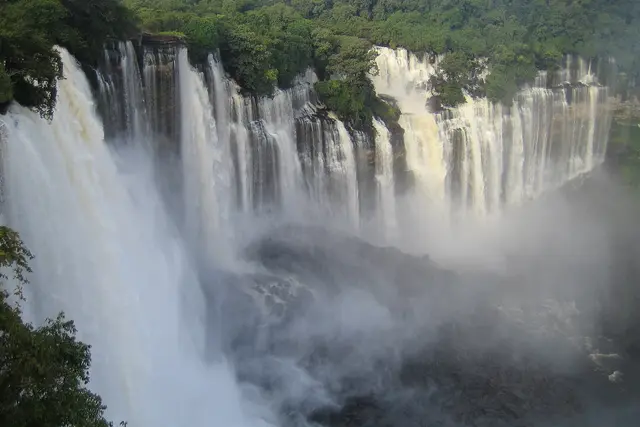
In the south, the Karera Falls cascade through green hills. A small pyramid near Rutovu marks what is claimed as the southernmost source of the Nile.
Livingstone-Stanley Monument
A stone at Mugere, south of Bujumbura, marks where the explorers are said to have stayed in 1871.
Best time to visit Burundi
| Season | What to expect |
|---|---|
| June-September | Long dry season, the best time for travel and hiking |
| October-December | Short rains, warm and humid |
| December-January | Brief dry spell, a good alternative window |
| February-May | Long rains, heaviest in April, roads can be difficult |
Carry a printed copy of your yellow fever certificate and passport, as checks are common.
Getting to Burundi from the UK
There are no direct flights. Popular routes are via Nairobi with Kenya Airways, via Addis Ababa with Ethiopian Airlines, via Kigali with RwandAir, or via Brussels with Brussels Airlines. Expect about 12 to 14 hours in total. Some travellers arrive overland from Rwanda or Tanzania, but check border status before you travel.
Getting around
Hiring a car with a driver is the most practical option, as public transport is limited and roads outside the main routes can be poor. Fuel shortages have been common in recent years, which can disrupt plans. Taxis and motorbike taxis operate in Bujumbura, though motorbike taxis are restricted in parts of the city.
Money and costs
The Burundian franc is the local currency. Cards are rarely accepted and ATMs are unreliable for foreign cards, so bring US dollars or euros in clean, recent notes to exchange. Official and street exchange rates can differ widely, and you should use official outlets. Costs are moderate: expect about £60-120 per person per day for mid-range travel, more if you hire a driver.
Frequently asked questions
Is Burundi safe to visit?
Parts of the country are subject to FCDO warnings, particularly near the DRC border. Bujumbura and the main routes can be visited, but check the latest advice and travel with a local contact.
Do I need a visa for Burundi?
Yes, British visitors need a visa, which has been available on arrival for tourists. Check the current process before travelling.
What is Burundi known for?
Lake Tanganyika, the royal drummers, tea and coffee, and its green, hilly landscapes.
Do I need malaria tablets for Burundi?
Malaria is present throughout Burundi, so antimalarials are recommended. Speak to a travel clinic before you go.
Written by
Anna Beach, family & practical travel editor
Anna knows which beach has shade at 3pm and which car hire excess is a rip-off. She covers sun, islands, family trips and practical travel tips.
More from AnnaWe research every guide carefully, but prices, opening times and timetables change. Check them shortly before you travel. Links to our booking partners are affiliate links.