- Beijing, Xi'an and Shanghai make the classic first trip, linked by fast trains
- Set up Alipay or WeChat Pay with your UK card before you go, as cash is rarely used
- Avoid Chinese New Year and the first week of October, when the whole country travels
- Google, WhatsApp and many Western apps are blocked
- Airports
- Beijing Capital (PEK), Beijing Daxing (PKX), Shanghai Pudong (PVG), Guangzhou Baiyun (CAN), Chengdu Tianfu (TFU)
- Flight time
- about 10-12h direct from London to Beijing or Shanghai
- Best time to go
- April-May and September-October, avoiding national holiday weeks
- Currency
- Chinese yuan renminbi (¥)
China is a destination on a vast scale, from the Great Wall and the Forbidden City to the glittering skyline of Shanghai and the limestone peaks of Guilin. It has become much easier for British travellers in recent years, with simpler entry rules, a superb high-speed rail network and mobile payments that now work with foreign cards. A first trip can be surprisingly smooth, provided you prepare your apps before you land.
China is eight hours ahead of the UK in winter (seven during British Summer Time) and uses a single time zone nationwide. Plugs are types A, C and I, so bring a universal adaptor. Traffic drives on the right. This Asia guide covers the highlights, when to go and what it costs in 2026; see our separate Hong Kong and Macau guides, which have their own entry rules.
Entry requirements
Since early 2026, British passport holders have usually been able to visit mainland China visa-free for up to 30 days for tourism, business and family visits. China's 240-hour visa-free transit scheme also allows short stays when you are flying on to a third country. For longer stays or other purposes you will need a visa from a Chinese Visa Application Centre in the UK. Your passport should be valid for at least six months, and you may need to fill in an arrival card. Rules change, so check GOV.UK foreign travel advice before booking.
Where to go in China
Beijing
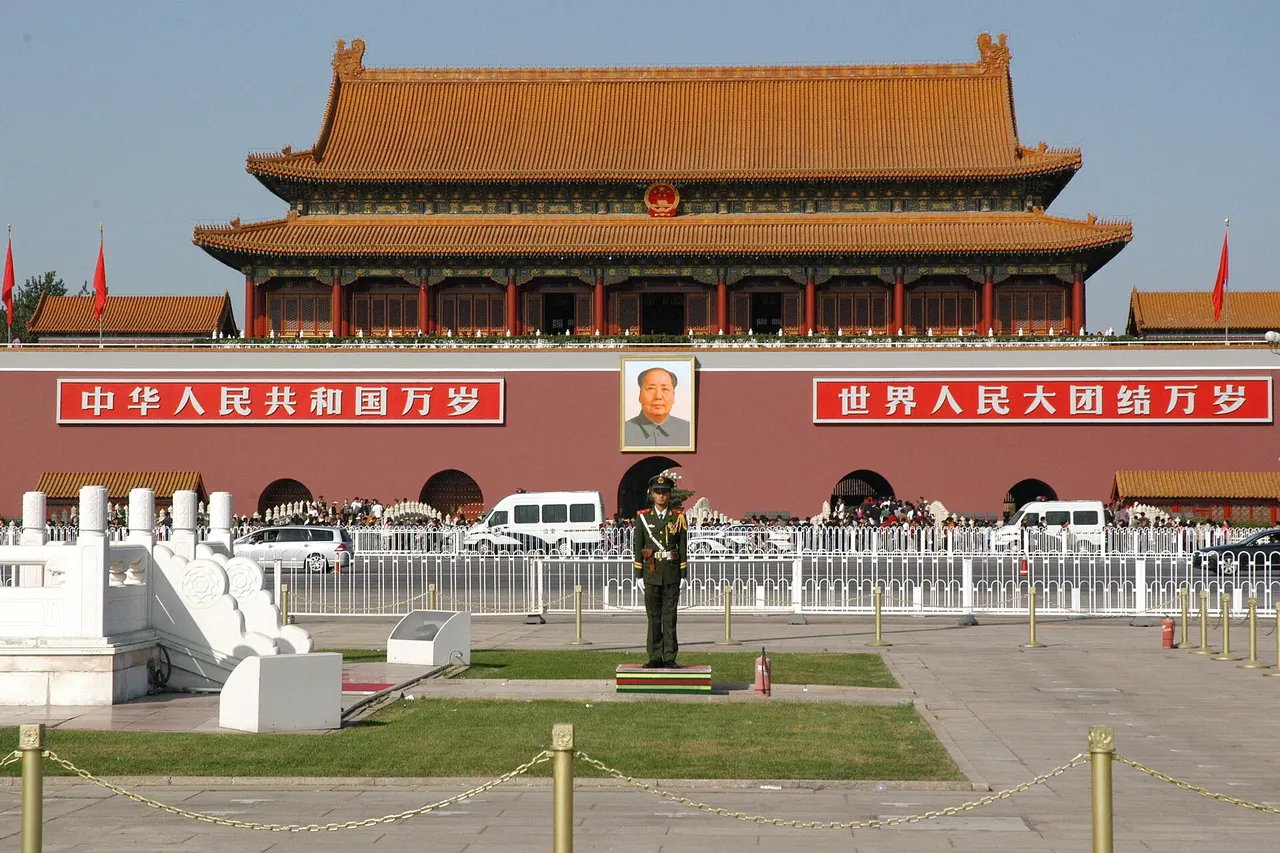
The capital has the Forbidden City, Tiananmen Square, the Temple of Heaven and the Summer Palace, plus hutong alleys best explored by bike. Day trips reach restored sections of the Great Wall; Mutianyu is the most popular, while Jinshanling is wilder.
Xi'an
The ancient capital is famous for the Terracotta Army, thousands of life-size clay warriors guarding the tomb of China's first emperor. You can also cycle the city walls and eat your way through the Muslim Quarter.
Shanghai
China's most cosmopolitan city pairs the colonial Bund with the skyscrapers of Pudong, plus the Yu Garden and leafy streets of the former French Concession. Water towns such as Zhujiajiao and the gardens of Suzhou are easy day trips.
Guilin and Yangshuo
The Li River cruise from Guilin to Yangshuo passes the dreamlike karst peaks printed on the 20-yuan note. Yangshuo is a base for cycling, rafting and climbing, and the Longji rice terraces are nearby.
Chengdu and the south-west
Chengdu is the home of giant panda conservation and fiery Sichuan cuisine. Further afield, Zhangjiajie's sandstone pillars and Yunnan's old towns of Lijiang and Dali are popular additions.
Best time to visit China
| Season | What to expect |
|---|---|
| Spring (April-May) | Mild and pleasant; blossom and green landscapes |
| Summer (June-August) | Hot and humid, rainy in the south; school holiday crowds |
| Autumn (September-October) | Clear, comfortable weather; avoid 1-7 October Golden Week |
| Winter (November-March) | Very cold in Beijing, mild in the south; Chinese New Year crowds |
Getting to China from the UK
Air China, China Eastern, China Southern and Hainan Airlines fly direct from London to cities including Beijing, Shanghai, Guangzhou and Chengdu, usually in about 10-12 hours; some routes leave from Gatwick or Manchester. One-stop options via the Gulf, Hong Kong or European hubs are also common.
Getting around
China's high-speed rail network is the world's largest and the best way to travel; Beijing to Shanghai takes about four and a half hours and Beijing to Xi'an about the same. Book through the official 12306 app or a reputable agent using your passport details, and carry your passport for every journey. Domestic flights cover the longer distances. Metros in major cities are cheap, clean and signed in English, and ride-hailing works through DiDi or within Alipay.
Money and costs
China is mostly cashless. Link a UK card to Alipay or WeChat Pay before you go, and carry a little cash as a backup. Mid-range travellers should budget about ¥600-1,000 (roughly £65-110) per person per day including hotels, and more in Shanghai and Beijing. Food and trains are good value; entry tickets to major sights add up.
Install a reliable eSIM or VPN before arrival, and download offline maps, translation and payment apps, since Google services do not work in mainland China.
Frequently asked questions
Do British citizens need a visa for China?
For tourist stays of up to 30 days, usually not, under the visa-free scheme introduced in 2026. Longer stays still need a visa, so check the current rules before booking.
Can I use my bank card in China?
International Visa and Mastercard are accepted at larger hotels, but most everyday payments are made via Alipay or WeChat Pay, both of which now accept foreign cards.
How many days do you need in China?
Ten days to two weeks covers Beijing, Xi'an and Shanghai, with time to add Guilin or Chengdu.
Is it easy to travel in China without speaking Mandarin?
Easier than you might think in big cities, where metros and stations have English signs, but a translation app is essential for restaurants and taxis.
Written by
Anna Beach, family & practical travel editor
Anna knows which beach has shade at 3pm and which car hire excess is a rip-off. She covers sun, islands, family trips and practical travel tips.
More from AnnaWe research every guide carefully, but prices, opening times and timetables change. Check them shortly before you travel. Links to our booking partners are affiliate links.


