- No passport or currency exchange needed from England, and the plugs and driving side are the same
- Trains from London reach Edinburgh in about 4h20, and the Caledonian Sleeper runs overnight to the Highlands
- Book island ferries and Skye accommodation early for summer
- Pack midge repellent from June to September
- Airports
- Edinburgh (EDI), Glasgow (GLA), Aberdeen (ABZ), Inverness (INV)
- Flight time
- about 1h20 from London to Edinburgh or Glasgow
- Best time to go
- May-June and September for the Highlands and islands; August for the Edinburgh festivals
- Currency
- Pound sterling (£)
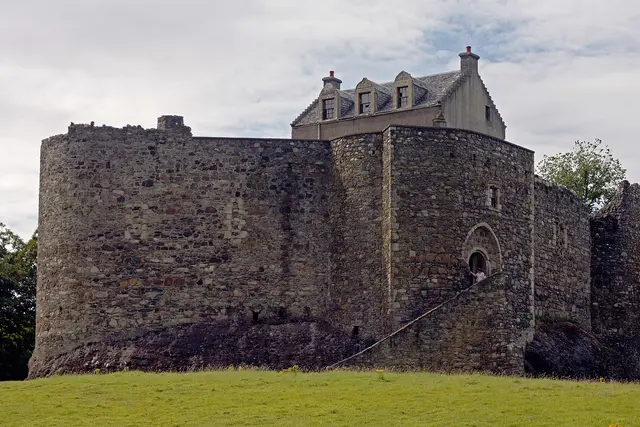
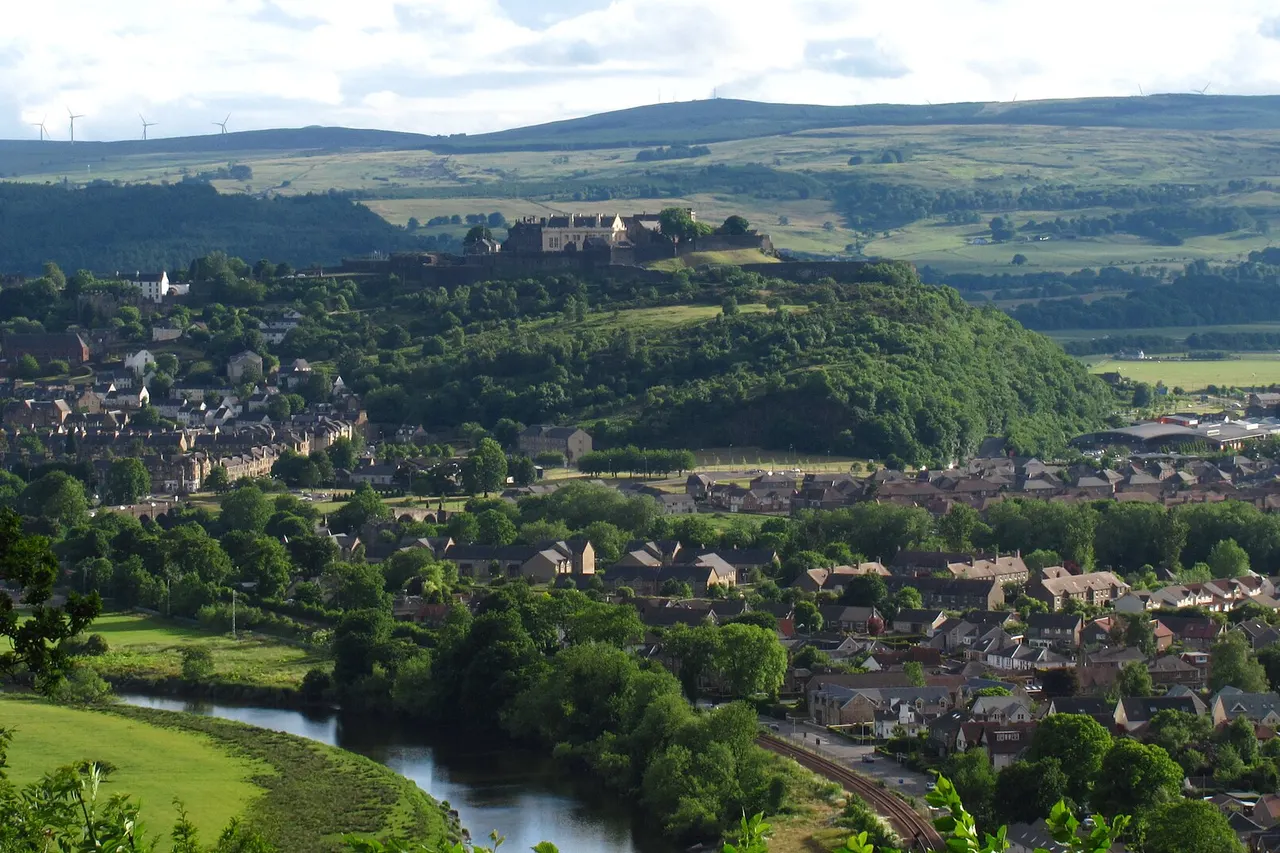
Scotland packs an enormous amount into a small country: a medieval capital with a castle on a volcanic rock, a buzzing creative city in Glasgow, and beyond them some of the wildest scenery in Europe, from the mountains of Glencoe and the Cairngorms to the sea lochs, beaches and islands of the west coast. Scotland is part of the United Kingdom, so for travellers from England and Wales there is no time difference, the plugs are the same three-pin type, cars drive on the left and you pay in pounds.
This Europe guide covers where to go, when to visit, getting there from England and getting around. For the rest of the country, see our United Kingdom guide.
Entry requirements
Scotland is part of the UK, so British citizens travelling from elsewhere in the UK need no passport, visa or border checks. Airlines still ask for photo ID on domestic flights, and a passport or driving licence is the simplest option. Travelling companions who are not British or Irish citizens may need a UK Electronic Travel Authorisation (ETA) if they are entering the UK from abroad. Rules change, so check GOV.UK foreign travel advice before booking.
Where to go in Scotland
Edinburgh
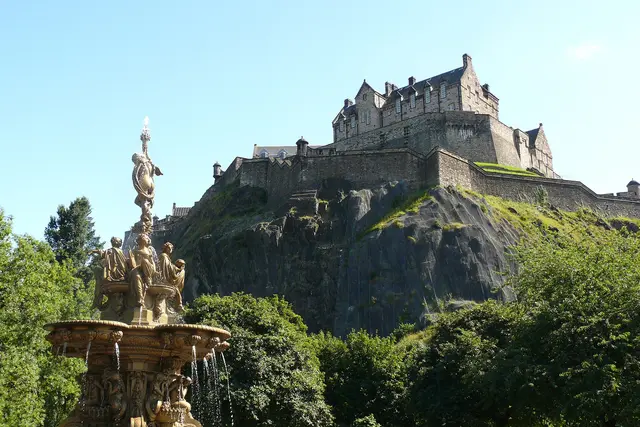
The capital is one of Europe's most handsome cities, with Edinburgh Castle, the Royal Mile, Arthur's Seat and the elegant Georgian New Town. In August the festivals turn the whole city into a stage.
Glasgow
Glasgow is Scotland's largest city, known for its free museums, Victorian architecture, Charles Rennie Mackintosh and one of the best live music scenes in the UK.
The Highlands
The Scottish Highlands are the big draw: Glencoe, Loch Ness and the North Coast 500 road trip. Inverness is the main hub, while Fort William sits below Ben Nevis and is the start of the Jacobite steam train. The Cairngorms are Britain's largest national park, and Loch Lomond is less than an hour from Glasgow.
The islands
The Isle of Skye is the best known, with the Old Man of Storr and the Quiraing. Oban is the gateway to Mull, Iona and the Hebrides, and far to the north, Orkney has Neolithic sites older than Stonehenge.
The east coast
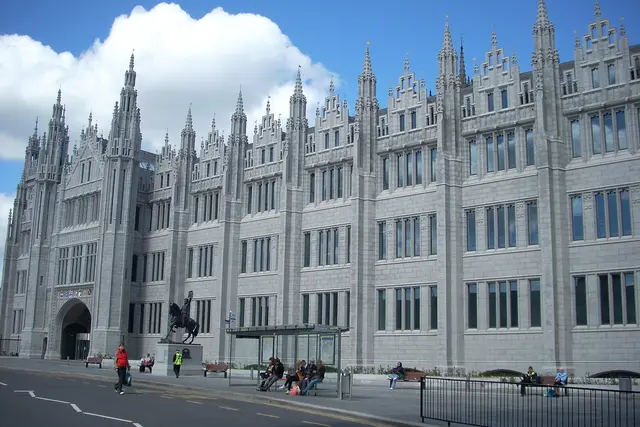
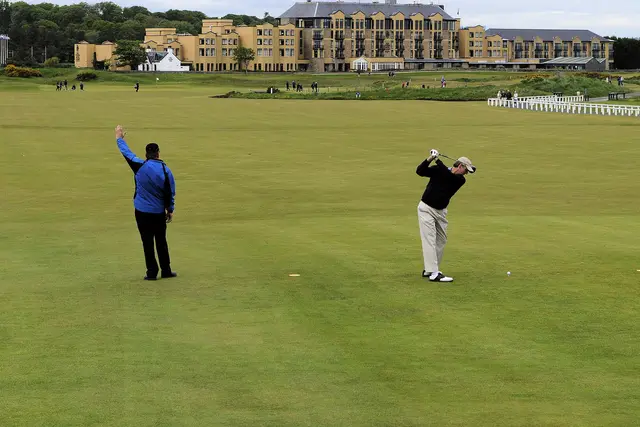
St Andrews is the home of golf and a lovely seaside university town, and granite-built Aberdeen is the base for Royal Deeside and the castles of the north-east.
Best time to visit Scotland
| Season | What to expect |
|---|---|
| Spring (April-May) | Often the driest months, long days, lambs and fewer midges; snow on high tops |
| Summer (June-August) | Longest days (up to 18 hours of light in the north), busiest and priciest; midges in the west |
| Autumn (September-October) | Autumn colours, red deer rut, quieter roads; more rain and wind |
| Winter (November-March) | Short days, snow in the mountains, skiing in the Cairngorms and Hogmanay in Edinburgh |
Getting there from the UK
By train, LNER and Lumo run from London King's Cross to Edinburgh in about 4h20 to 4h45, and Avanti West Coast runs from London Euston to Glasgow in about 4h30. CrossCountry and TransPennine Express link cities such as Birmingham, Manchester, Leeds and Newcastle with Edinburgh and Glasgow.
The Caledonian Sleeper leaves London Euston most nights except Saturday. The Lowlander serves Edinburgh and Glasgow, and the Highlander splits to Inverness, Aberdeen and Fort William, so you wake up in the mountains. Book well ahead for summer.
By air, flights from London to Edinburgh or Glasgow take about 1h20, and there are routes to Aberdeen and Inverness too. Driving from London to Edinburgh takes around seven to eight hours, usually via the M1 and A1 or the M6 and M74.
Getting around
ScotRail trains link the cities and run on scenic lines such as the West Highland Line to Fort William and Mallaig, the Kyle Line and the Far North Line. Scottish Citylink coaches fill the gaps. CalMac ferries serve the west coast islands, and NorthLink sails to Orkney and Shetland; car spaces sell out in summer, so book early. For the Highlands and islands, a car gives the most freedom, but many roads are single track with passing places, so allow extra time.
Money and costs
Scotland uses the pound sterling. Scottish banks print their own notes, which are fine everywhere in Scotland and are usually accepted in England too, though some shops may hesitate. Allow around £100-160 per person per day for a mid-range trip including accommodation, more in Edinburgh in August. Edinburgh charges a visitor levy on overnight stays, and Glasgow has introduced one too, added to accommodation bills. National museums and galleries are free.
Rural accommodation on Skye and along the North Coast 500 fills up months ahead for summer, so book beds and ferries before anything else.
Scotland on the map
Frequently asked questions
Do I need a passport to visit Scotland from England?
No. There are no border checks between England and Scotland. You only need photo ID for domestic flights, and a passport or driving licence works.
How many days do you need in Scotland?
A long weekend suits Edinburgh or Glasgow. A week lets you add the Highlands and Skye, and two weeks allows the islands or the North Coast 500.
Is the Caledonian Sleeper worth it?
For the Highlands, yes. You save a night's accommodation and most of a travel day, and waking up to mountain views is a highlight in itself. Seats are cheaper than cabins.
When are the midges worst?
Usually June to August, especially on still, damp evenings in the west. Breezy coasts and the east are better. Pack midge repellent.
Written by
Thomas Ski, mountains & expeditions editor
Thomas is happiest above the tree line or below the Antarctic Circle. He writes our ski, mountain and polar expedition guides.
More from ThomasWe research every guide carefully, but prices, opening times and timetables change. Check them shortly before you travel. Links to our booking partners are affiliate links.