- British visitors need an e-Visa arranged before travel, plus a yellow fever certificate
- The Fouta Djallon highlands are the highlight, with waterfalls, canyons and great trekking
- Tourism is very limited and French is essential
- On GMT, so no time difference with the UK in winter
- Airports
- Conakry Ahmed Sékou Touré International (CKY)
- Flight time
- about 9-12h from London to Conakry, usually with one stop
- Best time to go
- November-April, the dry season
- Currency
- Guinean franc (GNF)
Guinea (sometimes called Guinea-Conakry to distinguish it from its neighbours) is one of the least-visited countries in West Africa, and that is a big part of its appeal for adventurous travellers. Its landscapes are its greatest asset: the Fouta Djallon highlands are a cool plateau of waterfalls, canyons and rolling hills where the Niger, Senegal and Gambia rivers rise. Conakry, the capital, has a raw energy and an outstanding music scene, and a short boat ride offshore are the beaches of the Îles de Los.
Guinea is on GMT all year, so there is no time difference with the UK in winter and one hour in summer. Plugs are the European two-pin type, traffic drives on the right and French is the official language. Travel here is rough and ready, with power cuts and poor roads, so it suits experienced travellers or those going with a local operator. This Africa guide covers where to go, when and how to plan a trip. Guinea borders Sierra Leone, Senegal, Liberia and Guinea-Bissau.
Where to go in Guinea
Conakry
The capital sits on a long, narrow peninsula. Its sights are modest, including the National Museum, the Grand Mosque, the botanical gardens and the busy Marché Madina, but the evenings come alive with live music in its bars and clubs, reflecting Guinea's strong griot and dance traditions.
Îles de Los
A short boat ride from Conakry, these islands, including Roume, Kassa and Tamara, have sandy beaches, fishing villages and a slower pace. They are a popular weekend escape from the city.
Kindia
About three hours inland from Conakry, Kindia is known for its fruit markets and the Voile de la Mariée (Bridal Veil) waterfall, as well as views of the Mount Gangan massif.
The Fouta Djallon
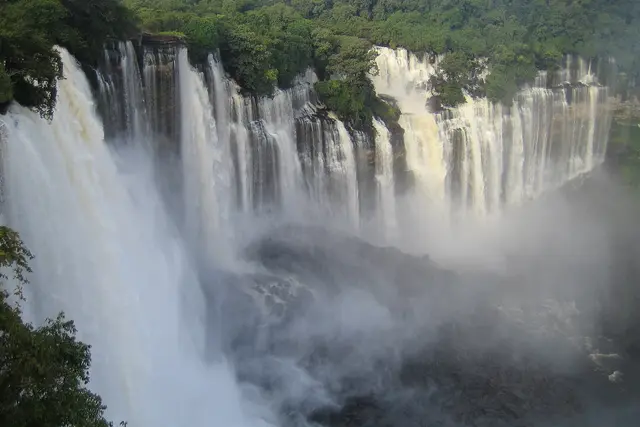
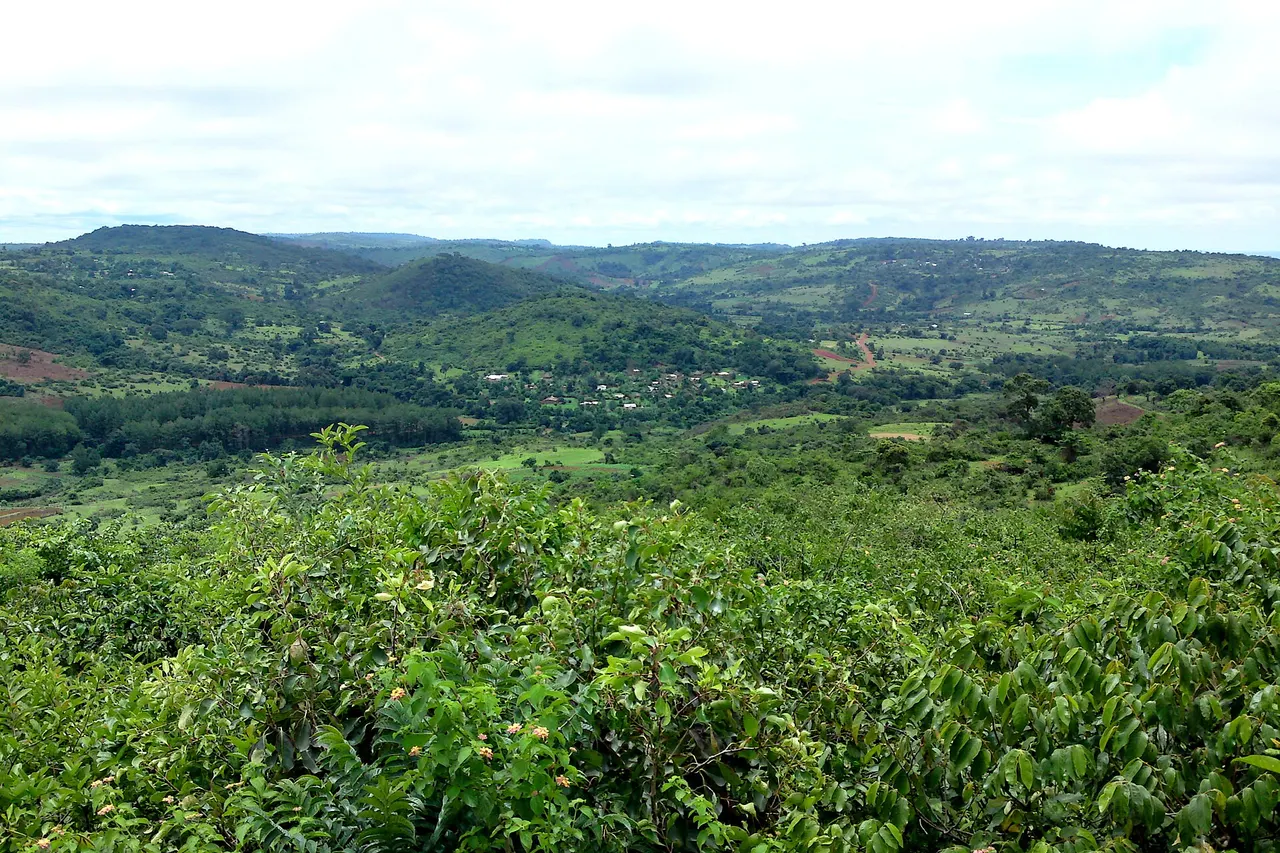
The highlights of Guinea lie in this highland region. Dalaba, a former colonial hill station, is cooler and green. Pita and Labé are bases for trekking to the Kambadaga and Kinkon waterfalls, and the Doucki area near Pita has spectacular canyon walks, natural rock arches and stays with local guides. Villages are home to the Fula (Peul) people, and guided multi-day treks are the best way to explore.
Mount Nimba and the forest region
In the south-east, the Mount Nimba Strict Nature Reserve is a UNESCO World Heritage Site shared with Ivory Coast, and the forests around Bossou are famous for their tool-using chimpanzees. Access is restricted and requires permits and a long journey.
Best time to visit Guinea
| Season | What to expect |
|---|---|
| Dry season (November-February) | Warm and sunny, cooler in the Fouta Djallon; best for trekking and travel |
| Hot season (March-April) | Hot and dusty before the rains; waterfalls are at their lowest |
| Rainy season (May-October) | Very heavy rain, especially on the coast; Conakry is one of the wettest capitals in Africa; many roads impassable |
Getting to Guinea from the UK
There are usually no direct flights from the UK. Connect via Paris with Air France, via Brussels with Brussels Airlines, via Casablanca with Royal Air Maroc, via Istanbul with Turkish Airlines or via Dakar, with total journeys of about nine to twelve hours. Conakry's airport (CKY) is within the city, but heavy traffic means transfers can take an hour or more.
Entry requirements
British passport holders need a visa for Guinea, usually applied for online through the official e-Visa system before travel. Your passport should be valid for at least six months, and a yellow fever vaccination certificate is required for entry. Political tensions can lead to protests, particularly in Conakry, so check for the latest security warnings. Rules change, so check GOV.UK foreign travel advice before booking.
Getting around
Shared taxis and minibuses link the main towns, but they are crowded, slow and often in poor condition. Main roads have improved, but many routes are unpaved, and the rainy season makes travel very difficult. Most visitors hire a 4x4 with a driver or travel with a local operator, particularly for the Fouta Djallon. Avoid driving at night.
Hire a local guide in Pita or Dalaba for treks in the Fouta Djallon; they know the trails, the villages and the best waterfall swimming spots.
Money and costs
The Guinean franc is the only legal currency, and you'll handle large bundles of notes. ATMs are found in Conakry and some larger towns but often don't accept foreign cards, and cards are rarely accepted outside top hotels, so bring euros in cash to change. Budget accommodation is cheap, but Conakry hotels can be expensive. Allow around £40-80 per person per day plus accommodation, with a 4x4 and driver adding more.
Frequently asked questions
Is Guinea safe to visit?
Most visits pass without trouble, but political protests can turn violent, especially in Conakry, and crime is a concern after dark. Check FCDO advice before you go and stay informed during your trip.
Do British citizens need a visa for Guinea?
Yes. Apply online for an e-Visa before you travel, and carry your yellow fever certificate.
What is the best area to visit in Guinea?
The Fouta Djallon highlands, with their waterfalls, canyons and treks around Dalaba, Pita and Labé, are the standout.
What language is spoken in Guinea?
French is the official language, alongside widely spoken local languages including Pular, Malinké and Susu. Very little English is spoken.
Written by
Thomas Ski, mountains & expeditions editor
Thomas is happiest above the tree line or below the Antarctic Circle. He writes our ski, mountain and polar expedition guides.
More from ThomasWe research every guide carefully, but prices, opening times and timetables change. Check them shortly before you travel. Links to our booking partners are affiliate links.