- Direct winter flights from Gatwick and Manchester take about six hours
- No time difference with the UK in winter, English is the official language and plugs are UK-style
- Beaches at Kololi, Kotu and Cape Point, plus over 500 bird species
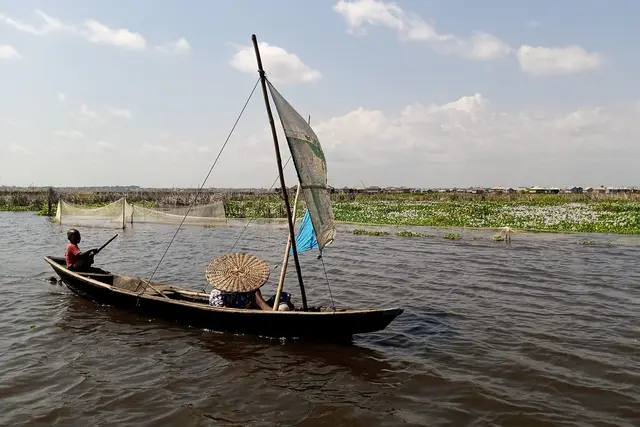
- Take a river trip upcountry to see wildlife and Kunta Kinteh Island
- Airports
- Banjul International (BJL)
- Flight time
- about 6h direct from London to Banjul
- Best time to go
- November-April, the dry season
- Currency
- Gambian dalasi (GMD)
The Gambia is mainland Africa's smallest country, a narrow ribbon of land following the River Gambia inland from the Atlantic, and it has long been a favourite winter-sun escape for British travellers. Known as the Smiling Coast, it combines golden beaches and laid-back resorts with mangrove creeks, lively markets and remarkable birdlife, all just a six-hour flight away.
It is also one of the easiest places in Africa for UK visitors: English is the official language, the plugs are the same three-pin type as at home and the country is on GMT, so there is no time difference in winter and just one hour in summer. Traffic drives on the right. This Africa guide covers the resorts, river and wildlife, when to go and costs. The Gambia is almost entirely surrounded by Senegal, which makes a combined trip easy.
Where to go in The Gambia
Kololi, Kotu and Cape Point
The Senegambia Strip in Kololi is the liveliest resort area, with bars, restaurants and live music. Kotu is quieter with good birding along Kotu Creek, and Cape Point at Bakau has a calmer beach. Most UK package hotels are along this stretch of coast.
Banjul and Bakau
The small capital has Albert Market, the Arch 22 monument and the National Museum. In neighbouring Bakau, the Kachikally Crocodile Pool is a sacred site where you can get surprisingly close to the crocodiles, and the fishing beach is fascinating early in the day.
The southern coast
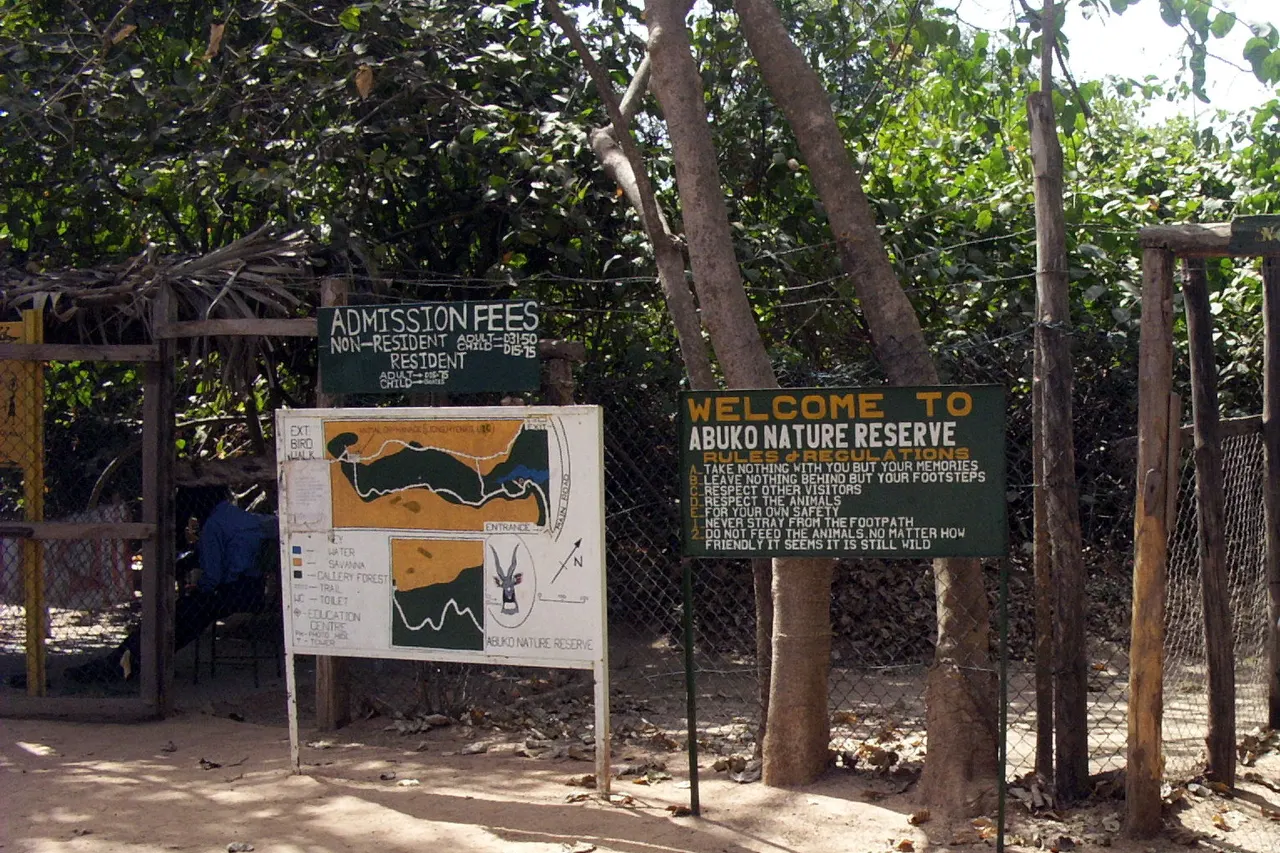
South of the resorts, quieter beaches at Sanyang, Gunjur, Kartong and Tanji have eco-lodges, fishing villages and colourful pirogues. Tanji Bird Reserve and Abuko Nature Reserve, close to the coast, are rewarding for birders and monkey-spotting.
Makasutu and Lamin
Makasutu Culture Forest offers pirogue trips through mangroves, guided walks and traditional dance, and nearby Lamin Lodge is a rustic spot for breakfast over the creek.
Kunta Kinteh Island and Juffureh
This UNESCO-listed island in the river, formerly James Island, was a key site in the slave trade, linked to the story told in Roots. Trips usually combine it with the village of Juffureh and its museum.
Upcountry: Janjanbureh and the River Gambia National Park
Multi-day river trips head inland to Janjanbureh and the River Gambia National Park, where rehabilitated chimpanzees live on islands, alongside hippos, crocodiles and abundant birdlife. Wassu's stone circles are also on the route.
Best time to visit The Gambia
| Season | What to expect |
|---|---|
| Dry season (November-February) | Sunny, around 30 °C by day with cooler evenings; peak season and best birding |
| Late dry season (March-May) | Hotter, very dry, good value after Easter |
| Rainy season (June-October) | Humid, with heavy storms especially July-September; lush, quiet and cheap |
Getting to The Gambia from the UK
TUI usually flies direct to Banjul (BJL) from Gatwick and Manchester in about six hours, mostly in the winter season and often as package holidays. Year-round, connect via Brussels with Brussels Airlines, or via Casablanca, Dakar or Lisbon. The airport is about 30 minutes from the main resorts.
Entry requirements
British passport holders can usually visit The Gambia for a holiday without a visa; the entry stamp normally covers a limited stay (often 28 days), which can be extended locally. Your passport should be valid for at least six months. A yellow fever vaccination certificate may be requested if you arrive from a country with a risk of yellow fever, and vaccination is recommended. Rules change, so check GOV.UK foreign travel advice before booking.
Getting around
Yellow and green "tourist taxis" park outside hotels and charge fixed, higher fares; local yellow taxis and shared minibuses are much cheaper. Hiring a driver for the day is a good way to see the coast. Upcountry, a guided river trip or a car with a driver is the easiest option. The Senegambia Bridge has made road trips across the river much quicker.
Expect friendly approaches from "bumsters" offering to guide you on the beach; a polite but firm "no, thank you" is usually enough.
Money and costs
The dalasi can't easily be bought in the UK, so change pounds or euros on arrival at banks or bureaux de change. ATMs work in the resort areas but can run dry, and cards are mainly accepted in larger hotels. The Gambia is good value: allow around 2,500-5,000 GMD (roughly £30-60) per person per day plus accommodation for a mid-range trip, and many visitors opt for packages.
Frequently asked questions
Is The Gambia good for a winter sun holiday?
Yes. From November to April it is reliably sunny and around 30 °C, with no time difference with the UK and direct flights of about six hours.
Do they speak English in The Gambia?
Yes. English is the official language, alongside widely spoken local languages such as Mandinka and Wolof.
Is The Gambia safe for tourists?
Most visits are trouble-free and Gambians are known for their warmth. Take normal precautions with valuables, and avoid walking on empty beaches after dark.
Do I need malaria tablets for The Gambia?
Malaria is present throughout the country, so antimalarials are usually recommended. Speak to a GP or travel clinic well before you go.
Written by
Anna Beach, family & practical travel editor
Anna knows which beach has shade at 3pm and which car hire excess is a rip-off. She covers sun, islands, family trips and practical travel tips.
More from AnnaWe research every guide carefully, but prices, opening times and timetables change. Check them shortly before you travel. Links to our booking partners are affiliate links.