- Uruguay is one of the safest and most stable countries in South America
- A fast ferry links Buenos Aires with Colonia and Montevideo, so it pairs easily with Argentina
- Beach resorts are busiest and priciest in January
- It is more expensive than most of its neighbours
- Airports
- Montevideo Carrasco International (MVD), Punta del Este (PDP)
- Flight time
- about 15-17h from London to Montevideo, usually with one stop in Madrid or São Paulo
- Best time to go
- December-March for beaches; October-November and April for cities and the countryside
- Currency
- Uruguayan peso (UYU)
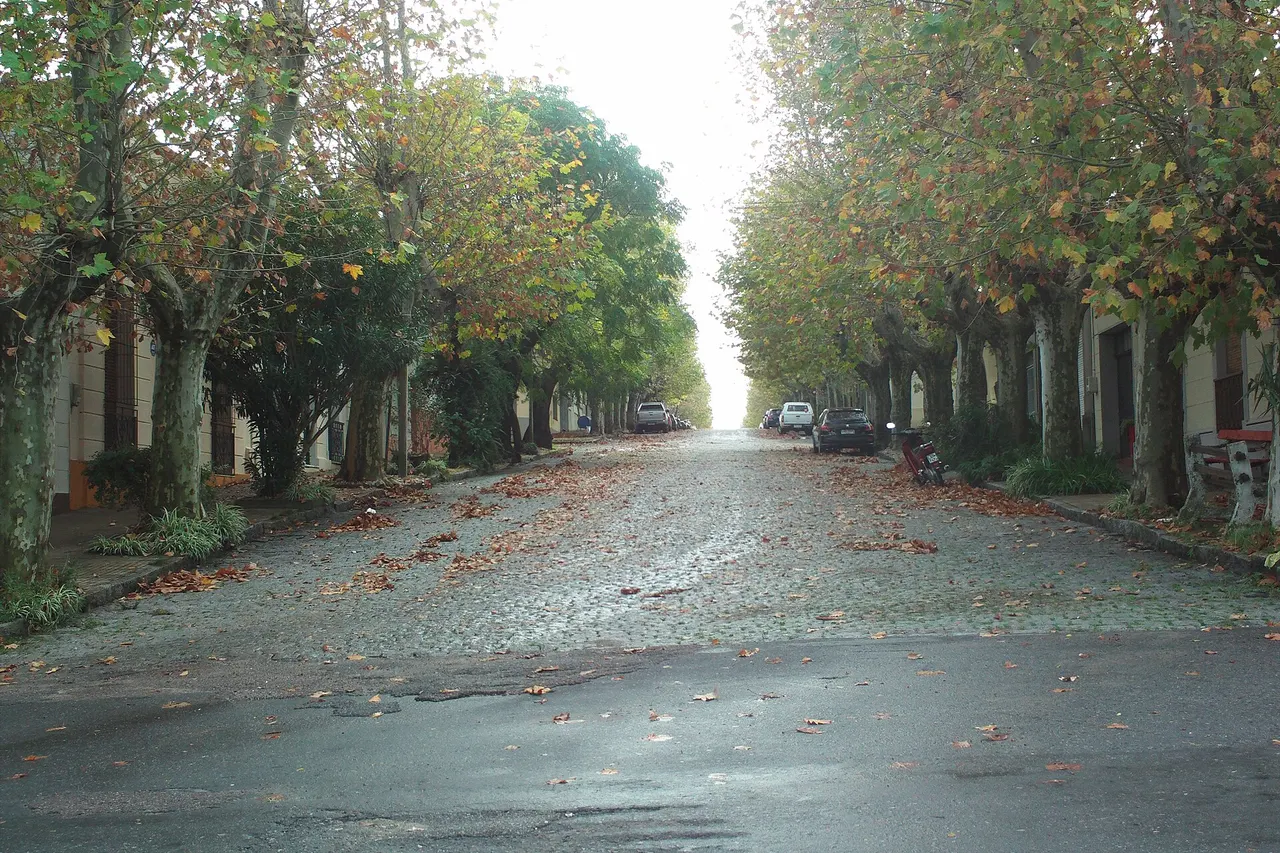
Uruguay is the gentle, easy-going neighbour of Argentina and Brazil. Its capital Montevideo has art deco buildings, a 22 km riverside promenade called the Rambla and a famous parrilla market; Colonia del Sacramento is a pretty cobbled town of Portuguese and Spanish origin; and the Atlantic coast runs from the glitz of Punta del Este to bohemian villages where you can still find empty beaches. Inland, the countryside is gaucho territory, with working estancias, wineries and herds of cattle.
The country has a reputation for stability, good infrastructure and a strong welfare state, and it is one of the safest places on the continent. Uruguay is three hours behind the UK (four during British Summer Time), traffic drives on the right and plugs are mostly the two-pin European type at 220 volts, with some three-pin Type I sockets. This South America guide covers where to go, when to visit and what it costs.
Entry requirements
British passport holders can usually visit Uruguay visa-free for tourism for up to 90 days. Your passport should be valid for the length of your stay, though having at least six months' validity is sensible if you plan to travel on to other countries. Arriving by ferry from Buenos Aires, Argentine and Uruguayan immigration is usually handled together at the port before departure. Rules change, so check GOV.UK foreign travel advice before booking.
Where to go in Uruguay
Montevideo
Home to around half of the population, the capital is laid-back and walkable. Explore the Ciudad Vieja and the Plaza Independencia, eat grilled meat at the Mercado del Puerto, walk or cycle the Rambla and visit museums such as the Museo Andes 1972, which tells the story of the plane crash survivors.
Colonia del Sacramento
Just over an hour by ferry from Buenos Aires, Colonia's UNESCO-listed historic quarter has cobbled lanes, a lighthouse and riverside sunsets. It works as a day trip, but staying overnight lets you enjoy it once the crowds go home. Nearby Carmelo is known for vineyards and estancias.
Punta del Este and José Ignacio
Punta del Este is South America's best-known beach resort, famed for its hand sculpture on Playa Brava, high-rise apartments and January party scene. Further east, José Ignacio is a chic but low-key village popular with wealthy Argentines.
The Rocha coast
Rocha has a wilder feel: Cabo Polonio is a village with no roads in, reached by 4x4 truck across the dunes, where sea lions lounge below the lighthouse. Punta del Diablo and La Paloma are relaxed surf and fishing villages.
The interior
Stay on an estancia to ride horses with gauchos, or tour the wineries around Montevideo, Canelones and Garzón, where Tannat is the signature grape.
Best time to visit Uruguay
| Season | What to expect |
|---|---|
| Summer (December-March) | Warm to hot, 25-30 °C; peak beach season, busiest in January; carnival in February |
| Autumn (April-May) | Mild and pleasant; harvest season at the wineries |
| Winter (June-August) | Cool and damp, around 10-15 °C; many beach resorts shut |
| Spring (September-November) | Warming up, fewer crowds and lower prices |
Getting there from the UK
There are no direct UK flights. Iberia and Air Europa fly from Madrid to Montevideo, giving an easy one-stop trip from London and regional airports. Other routes connect via São Paulo with LATAM, via Buenos Aires with Aerolíneas Argentinas, or via Panama City with Copa. Allow about 15-17 hours in total. Many travellers fly into Buenos Aires and take the ferry across the River Plate.
Buquebus, Colonia Express and Seacat ferries from Buenos Aires to Colonia take about an hour to 75 minutes, and fares are usually cheaper booked in advance and outside weekends. See our Buenos Aires guide to plan a combined trip.
Getting around
Uruguay has an excellent long-distance bus network, with companies such as COT, Copsa and Turil linking Montevideo's Tres Cruces terminal with Colonia (about 2h30), Punta del Este (about 2h) and the Rocha coast. Car hire gives the most freedom for estancias, wineries and the coast, and roads are generally good and quiet. Uber operates in Montevideo and Punta del Este.
Money and costs
Uruguay is one of the more expensive countries in South America, with prices closer to southern Europe. Expect roughly £70-120 per person per day for a mid-range trip, and considerably more in Punta del Este in January. Cards are widely accepted, and foreigners have often been able to get the VAT element refunded on restaurant and hotel bills paid with a foreign card, though the rules vary. Tip around 10% in restaurants.
Frequently asked questions
Is Uruguay safe for tourists?
Uruguay is considered one of the safest countries in South America. Petty crime does happen in Montevideo, so keep an eye on bags and phones, particularly in the Ciudad Vieja at night.
Is Uruguay worth visiting from Buenos Aires?
Yes. Colonia is an easy day trip by ferry, and Montevideo and the beaches make a relaxing few days after the bustle of Buenos Aires.
How many days do you need in Uruguay?
Five to seven days covers Montevideo, Colonia and a stretch of coast. Ten days lets you add an estancia stay and the Rocha villages.
What should I eat in Uruguay?
Try asado (grilled meat) at a parrilla, the enormous chivito steak sandwich, dulce de leche and a glass of Tannat. Mate is the national drink.
Written by
Anna Beach, family & practical travel editor
Anna knows which beach has shade at 3pm and which car hire excess is a rip-off. She covers sun, islands, family trips and practical travel tips.
More from AnnaWe research every guide carefully, but prices, opening times and timetables change. Check them shortly before you travel. Links to our booking partners are affiliate links.