- Fly via Lisbon, Casablanca or Dakar, as there are no direct flights from the UK
- The Bijagós archipelago is the highlight, best explored by boat or from a lodge
- Bissau is on GMT, the same as the UK in winter
- Bring euros in cash, as cards are rarely accepted
- Airports
- Bissau Osvaldo Vieira International (OXB)
- Flight time
- about 8-10h from London to Bissau with one stop, usually in Lisbon or Casablanca
- Best time to go
- November-May (dry season); October-February for turtles on the Bijagós
- Currency
- West African CFA franc (XOF)
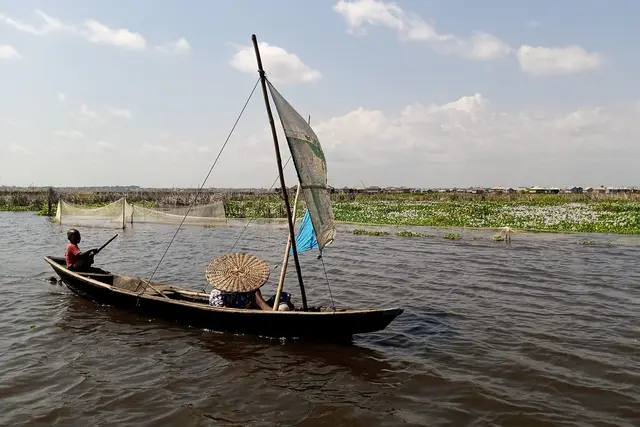
Guinea-Bissau is a small, low-lying country of mangroves, rice paddies and tidal rivers on the West African coast, and it sees only a trickle of tourists. That is a big part of its appeal. Offshore, the Bijagós archipelago is a UNESCO biosphere reserve of more than 80 islands, home to saltwater hippos, nesting green turtles and communities where women traditionally choose their husbands. Back on the mainland, Bissau's faded Portuguese colonial quarter and the slow river towns feel a world away from the busier Senegal and Gambia next door.
For UK travellers it is an adventurous trip rather than a beach package. Bissau runs on GMT, so it matches UK time in winter and is one hour behind in summer. Plugs are mostly the two-pin European type C and F, traffic drives on the right and Portuguese and Kriol are the main languages, with French useful too. This guide, one of our Africa destinations, covers where to go, when, and how to get there.
Where to go in Guinea-Bissau
The Bijagós archipelago
The reason most visitors come. Islands such as Bubaque, Orango, Rubane and João Vieira have empty beaches, sacred forests and superb fishing. Orango National Park is known for its saltwater-tolerant hippos, and the João Vieira and Poilão Marine National Park is one of the most important green turtle nesting sites in the Atlantic. Bubaque is the main hub with simple guesthouses; a handful of eco-lodges on other islands arrange transfers and fishing trips.
Bissau
The capital is small and relaxed. Wander the old Bissau Velho district by the port, see the Fortaleza de São José da Amura and the Pidjiguiti memorial, and try the lively Bandim market. Evenings centre on simple bars serving grilled fish and cold beer.
Cacheu and Varela
Cacheu, in the north-west, was one of the earliest Portuguese trading posts in the region, with a small fort and a memorial to the slave trade. Nearby Varela has some of the best mainland beaches, backed by dunes and close to the Senegalese border. The Cacheu River Mangroves Natural Park protects a huge area of mangrove forest.
Cantanhez and the south
Cantanhez National Park in the far south is known for its forests and chimpanzees, which can sometimes be seen with local guides. Facilities are basic and travel is slow, so it suits independent travellers with time to spare.
Best time to visit Guinea-Bissau
| Season | What to expect |
|---|---|
| Dry season (November-February) | Warm and dry, the most comfortable time; turtle nesting on the Bijagós |
| Late dry season (March-May) | Hot and dusty, harmattan haze; fishing is excellent |
| Rainy season (June-October) | Heavy rain, flooded roads and rough seas; many lodges close |
Getting to Guinea-Bissau from the UK
There are no direct flights from the UK. The usual routes are with TAP Air Portugal via Lisbon or Royal Air Maroc via Casablanca, with total journey times of about 8-10 hours on a good connection. Regional flights also link Bissau with Dakar. Some travellers combine the country with an overland trip from Senegal or The Gambia.
Entry requirements
British passport holders need a visa for Guinea-Bissau. It has usually been possible to apply online for pre-approval and collect the visa on arrival, or to get one from an embassy in the region, such as in Dakar or Banjul. Your passport should be valid for at least six months with blank pages, and a yellow fever vaccination certificate is usually required. Guinea-Bissau has a history of political instability, including coups, so keep an eye on the news before and during your trip. Rules change, so check GOV.UK foreign travel advice before booking.
Getting around
Shared taxis and minibuses link the main mainland towns but are crowded and slow on poor roads; hiring a car with a driver is more comfortable. For the Bijagós, a public ferry runs from Bissau to Bubaque a few times a week, taking around four to five hours, while lodges usually arrange faster private boat transfers. Tides shape almost everything here, so expect schedules to change.
Money and costs
The currency is the West African CFA franc, pegged to the euro. There are a few ATMs in Bissau, but they are unreliable for foreign cards and card payment is rare, so bring euros in cash to exchange. Budget travellers can get by on about £40-60 a day, while Bijagós lodges with full board and boat transfers cost considerably more, often several hundred pounds per night.
Book a Bijagós lodge that includes boat transfers from Bissau; arranging your own boat at short notice is expensive and tides can leave you stranded.
Frequently asked questions
Is Guinea-Bissau safe to visit?
Most visits pass without trouble and petty crime is relatively low, but the political situation can change quickly. Check the latest FCDO advice and register with your tour operator or lodge so they can reach you.
How do I get to the Bijagós Islands?
Take the public ferry from Bissau to Bubaque, or book a lodge that arranges private boat transfers. Getting between the outer islands almost always means chartering a boat.
Can I combine Guinea-Bissau with Senegal?
Yes. Many travellers continue overland to Ziguinchor and the Casamance in southern Senegal, or fly to Dakar. See our Senegal guide when planning.
Do I need to speak Portuguese?
It helps. Portuguese is the official language and Kriol is widely spoken; English is rare outside lodges, so a phrasebook or translation app is useful.
Written by
Thomas Ski, mountains & expeditions editor
Thomas is happiest above the tree line or below the Antarctic Circle. He writes our ski, mountain and polar expedition guides.
More from ThomasWe research every guide carefully, but prices, opening times and timetables change. Check them shortly before you travel. Links to our booking partners are affiliate links.