- Trains from London Paddington take about 1h20-1h30
- Book the Roman Baths and Thermae Bath Spa ahead to skip queues
- The centre is compact and walkable, so leave the car at a park and ride
- Bath makes a good base for the southern Cotswolds and Stonehenge
- Airports
- Bristol (BRS)
- Best time to go
- April-June and September-October; December for the Christmas market
- Type
- City
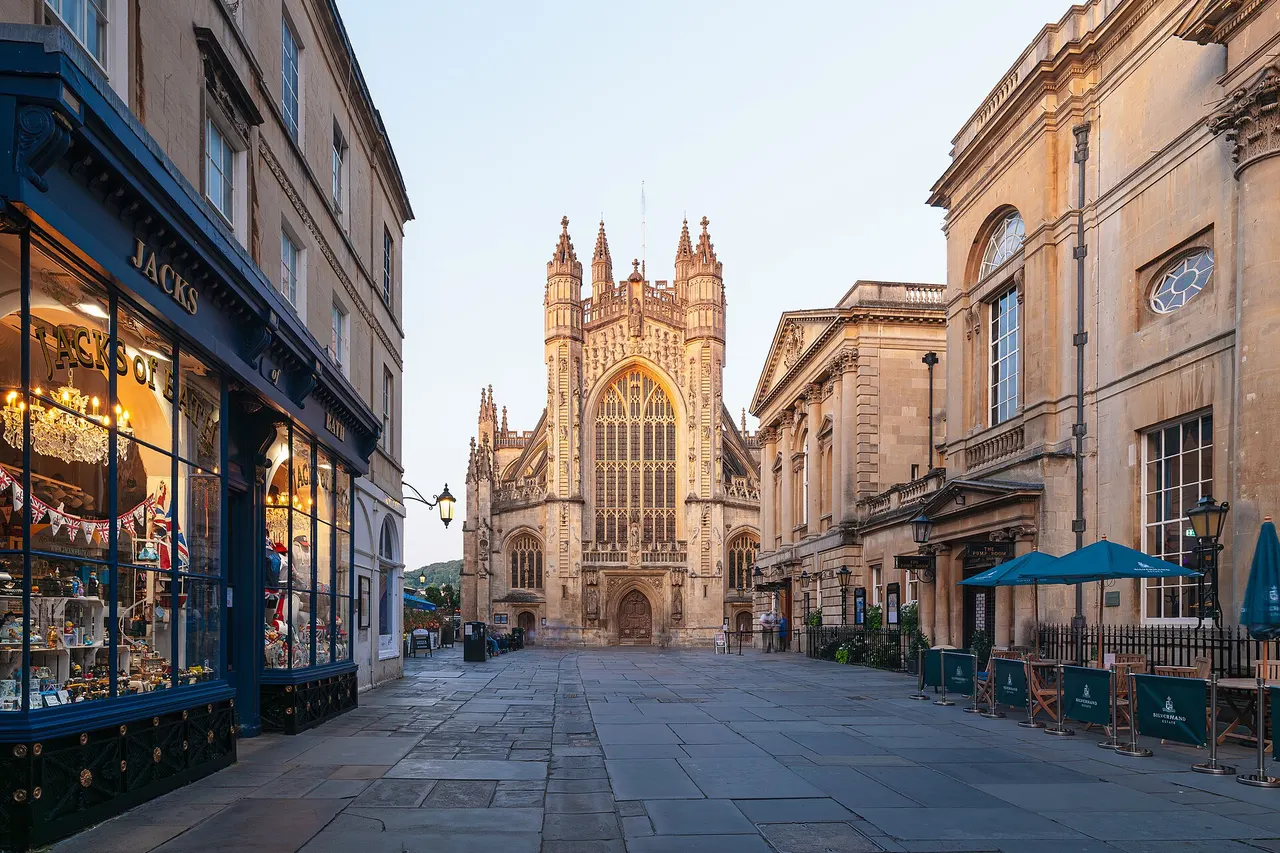
Bath is the only whole city in the UK to be a UNESCO World Heritage Site, and it is a joy to wander. The Romans built a temple and bathing complex over its natural hot springs, and the Georgians turned it into a fashionable spa resort, leaving terraces and crescents of golden stone that still define the city today. Add modern rooftop spa bathing, independent shops and good restaurants, and Bath is a perfect weekend away.
The Cotswolds begin on the city's doorstep, and our United Kingdom guide has more ideas.
Where to stay
- The city centre – close to the Abbey, the Roman Baths and shops; the most convenient but busiest area.
- Around the Royal Crescent and the Circus – elegant Georgian streets, a little uphill and quieter.
- Near Bath Spa station – practical for train travellers and the Thermae Bath Spa.
- Widcombe and Bathwick – a short walk from the centre, with canal paths and some good-value guesthouses.
- Outside the city – country hotels and villages such as Bradford-on-Avon, a short train ride away.
Things to do
- The Roman Baths – the remarkably preserved Roman bathing complex and temple, with steaming spring water.
- Thermae Bath Spa – bathe in natural thermal water in the rooftop pool with city views.
- The Royal Crescent and No. 1 Royal Crescent – the grand Georgian terrace and a museum showing Georgian life.
- Bath Abbey – climb the tower for views over the city and the Roman Baths.
- Pulteney Bridge – a rare bridge lined with shops, overlooking the weir.
- The Jane Austen Centre – the novelist lived in Bath and set two of her novels here.
- The Holburne Museum and Sydney Gardens – art and Georgian pleasure gardens.
- The Kennet and Avon Canal – walk or cycle the towpath towards Bathampton or Bradford-on-Avon.
Best time to visit
Spring and early autumn are the best times for walking, with pleasant weather and fewer crowds. Summer is busy with day-trippers, school groups and tour coaches, especially around the Roman Baths. The Christmas market, usually from mid-November to mid-December, draws big crowds at weekends. Winter weekdays are quiet and ideal for the spa.
Getting there
GWR trains run from London Paddington to Bath Spa in about 1h20-1h30. From Birmingham, CrossCountry trains reach Bristol, from where it is about 15 minutes by train. Trains from Manchester also run via Bristol, taking around 3h30-4h. By car, Bath is about 2h30 from London via the M4, but driving and parking in the centre is difficult, and a Clean Air Zone charge applies to some higher-emission commercial vehicles, though not usually private cars. Park and ride sites ring the city.
Getting around
Bath is compact and best explored on foot, though some streets are steep, especially heading up to the Royal Crescent. Local buses connect the centre with the outskirts, and hop-on hop-off sightseeing buses run around the main sights. Day trips to Stonehenge, Wells, Lacock and Castle Combe are easiest by car or on an organised tour.
Visit the Roman Baths early in the morning or late in the afternoon, when it is less crowded, and book a timed ticket online.
Frequently asked questions
How many days do you need in Bath?
Two days is enough to see the main sights and relax at the spa. Add a day or two for Wells, Lacock, the Cotswolds or Stonehenge.
Can you swim in the Roman Baths?
No. The Roman Baths are a museum and the water is not safe to bathe in, but you can bathe in the same natural thermal water at Thermae Bath Spa.
Is Bath a good day trip from London?
Yes. With fast trains of about 1h20-1h30, it is an easy day out, though staying a night lets you enjoy the city in the evening.
Written by
Emma City breaks & deals editor
Emma plans city breaks the way other people plan the weekly shop: on a budget, with a spreadsheet and a backup plan. She covers city guides and deal-hunting.
More from EmmaWe research every guide carefully, but prices, opening times and timetables change. Check them shortly before you travel. Links to our booking partners are affiliate links.