- Inverness and Fort William are the main bases, both reachable by the Caledonian Sleeper from London
- Distances look short but single-track roads make journeys slow
- Book accommodation on the North Coast 500 and Skye well ahead for summer
- Pack waterproofs and midge repellent
- Airports
- Inverness (INV), Glasgow (GLA), Edinburgh (EDI), Aberdeen (ABZ)
- Best time to go
- May-June and September; July-August for warmth but more midges and crowds
- Type
- Region
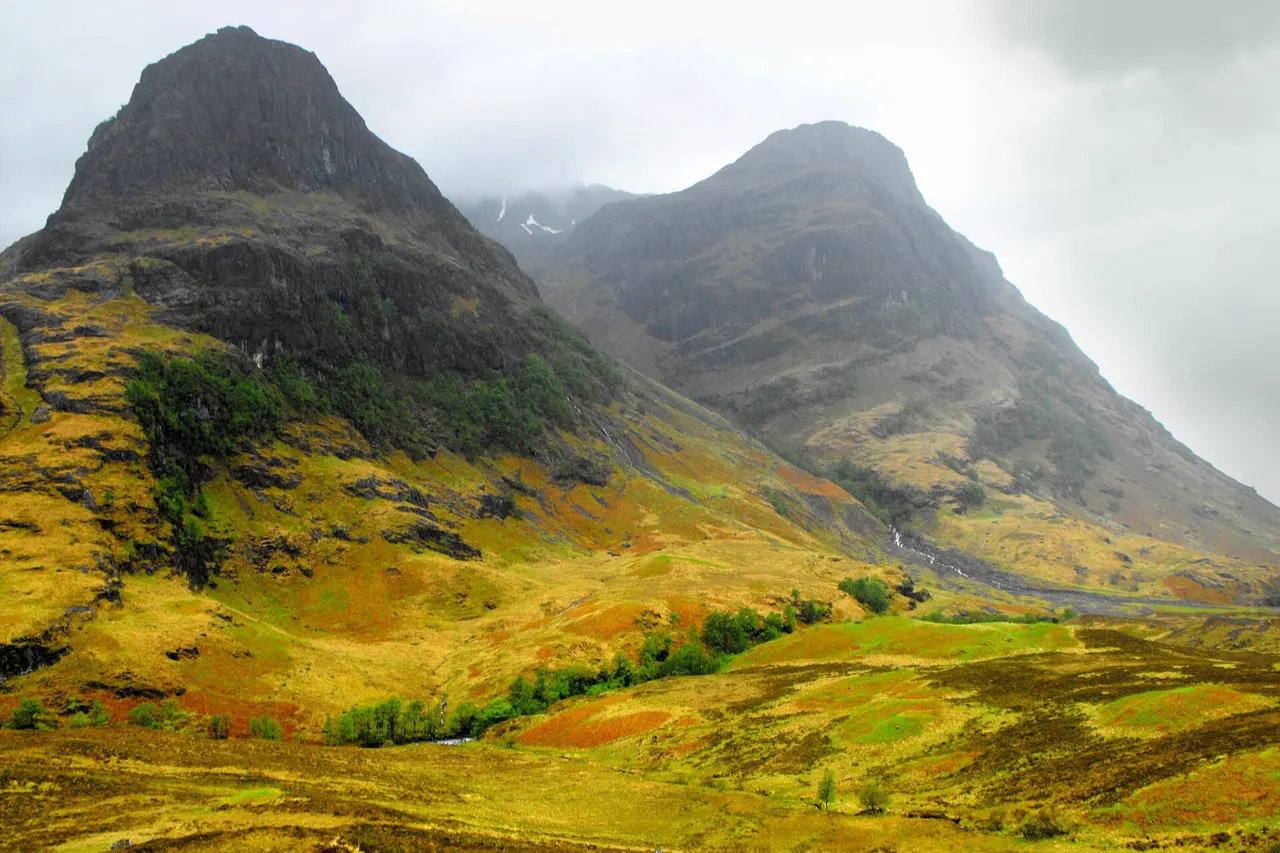
The Highlands are the Scotland of the imagination: heather-covered mountains, deep lochs, ruined castles and roads that wind through glens for miles without a village. This is one of the least populated corners of Europe, home to red deer, golden eagles and otters, with white sand beaches on the west and north coasts that would not look out of place in the Caribbean, if not for the water temperature.
It is a big region, so it pays to plan around a few bases rather than trying to see everything. For the rest of the country, see our Scotland guide.
Where to stay
- Inverness – the Highland capital, with the most hotels, restaurants and transport links. Handy for Loch Ness, Culloden and the start of the North Coast 500.
- Fort William – the outdoor capital of the UK, below Ben Nevis and close to Glencoe and Glenfinnan.
- Glencoe and Ballachulish – small villages surrounded by some of Scotland's most dramatic mountains.
- Aviemore and the Cairngorms – for walking, wildlife, cycling and winter skiing.
- Ullapool and the north-west – a lively fishing village and a good overnight stop on the North Coast 500.
- Isle of Skye – technically part of the Highlands, and worth at least two or three nights.
Things to do
- Glencoe – drive or walk through the glen, take on the Lost Valley walk or ride the chairlift at Glencoe Mountain.
- Loch Ness – visit Urquhart Castle, take a boat trip and keep an eye out for Nessie.
- The North Coast 500 – a road trip of about 516 miles from Inverness around the far north, through Applecross, Torridon, Assynt, Durness and John o' Groats.
- Glenfinnan Viaduct – see the Jacobite steam train cross the famous viaduct, or ride it from Fort William to Mallaig.
- Ben Nevis – climb Britain's highest mountain (1,345 m) on the Mountain Track, a long, full-day hike.
- Eilean Donan Castle – one of the most photographed castles in Scotland, on the road to Skye.
- Beaches – Sandwood Bay, Achmelvich and Camusdarach are among the finest in Britain.
- Culloden Battlefield – the site of the last pitched battle on British soil, in 1746, near Inverness.
Best time to visit
May and June are often the driest months, with very long days and fewer midges. September brings autumn colour, quieter roads and the red deer rut. July and August are warmest but busiest, and midges can be fierce on still evenings in the west. Winter is quiet and atmospheric, with snow on the mountains, but many smaller hotels and attractions close and daylight is short.
Getting there
The Caledonian Sleeper runs from London Euston to Inverness, Aviemore and Fort William most nights except Saturday. LNER's daily Highland Chieftain runs from London King's Cross to Inverness in about eight hours, or you can change in Edinburgh or Glasgow for ScotRail services. There are flights from London Heathrow, Gatwick, Luton and Bristol to Inverness, taking about 1h30. Driving from London to Inverness takes around ten hours, so most people break the journey.
Getting around
A car gives the most freedom, but allow plenty of time: many roads are single track with passing places, so pull in to let others pass and never park in them. Fill up with fuel when you can, as petrol stations are far apart in the north-west. Scenic railways include the West Highland Line to Fort William and Mallaig, the Kyle Line from Inverness to Kyle of Lochalsh and the Far North Line to Thurso and Wick. Scottish Citylink coaches link the main towns.
Mobile signal is patchy in the north-west, so download offline maps before you set off.
Frequently asked questions
How long do you need for the North Coast 500?
At least five days, and ideally seven to ten, to enjoy it rather than spend all day driving.
Can you see the Highlands without a car?
Yes, with planning. Scenic trains, coaches and organised tours from Inverness, Edinburgh and Glasgow cover the highlights, though remote areas are much harder.
Is it safe to drive on single-track roads?
Yes, if you take it slowly. Use passing places to let oncoming cars and faster drivers through, and watch for sheep and deer on the road.
Written by
Thomas Ski, mountains & expeditions editor
Thomas is happiest above the tree line or below the Antarctic Circle. He writes our ski, mountain and polar expedition guides.
More from ThomasWe research every guide carefully, but prices, opening times and timetables change. Check them shortly before you travel. Links to our booking partners are affiliate links.