- Naples is the hub, with fast trains, ferries and the region's main airport
- Pompeii, Herculaneum and Vesuvius are all easy day trips from Naples or Sorrento
- Use ferries for Capri, Ischia and the Amalfi Coast rather than driving
- Spring and early autumn avoid the July and August crowds and heat
- Airports
- Naples (NAP), Salerno Costa d'Amalfi (QSR)
- Best time to go
- April-June and September-October
- Type
- Region
Campania packs more into a small area than almost anywhere in Europe. Around one bay you have Naples, one of Italy's most characterful cities, the Roman towns buried by Vesuvius, the islands of Capri and Ischia, and the cliff roads of the Sorrento peninsula and Amalfi Coast. Inland, the region turns quieter, with royal palaces, Greek temples, wine hills and mountain villages that few British visitors ever reach.
For UK travellers it is one of the easiest parts of southern Italy to visit without a car: Naples airport is close to the city, trains run along the coast and ferries link the islands. See our Italy guide for the rest of the country.
Why go to Campania
- Naples – a dense, noisy, brilliant city of baroque churches, underground passages, an outstanding archaeological museum and the pizza that started it all.
- Pompeii and Herculaneum – two Roman towns frozen by the eruption of AD 79. Pompeii is vast; Herculaneum is smaller and better preserved.
- Mount Vesuvius – walk the path to the crater rim for views over the whole Bay of Naples.
- Capri and Ischia – glamorous Capri with its sea stacks and Blue Grotto, or greener Ischia with its thermal spas and gardens. Little Procida is a lovely, low-key third option.
- Sorrento and the Amalfi Coast – lemon groves, clifftop towns and boat trips; Sorrento is the practical base, Positano and Amalfi the postcard views.
- The Royal Palace of Caserta – a Bourbon rival to Versailles with a park that stretches for kilometres. See our Caserta guide.
- Paestum – three remarkably well-preserved Greek temples south of Salerno, on the edge of the Cilento coast.
- Irpinia and the Sannio – the inland provinces of Avellino and Benevento, with serious white and red wines, Roman remains and almost no tourist crowds.
Where to stay
| Area | Why stay there |
|---|---|
| Naples | Best for food, museums and transport links to everywhere else |
| Sorrento | Good-value, well-connected base for Pompeii, Capri and the Amalfi Coast |
| Amalfi Coast | The most scenic option, but pricier and harder to get around |
| Capri or Ischia | For a slower island stay rather than day trips |
| Salerno | Cheaper base with ferries to Amalfi and trains to Paestum |
Getting there
Fly to Naples (NAP), which has flights from several UK airports; Salerno's airport (QSR) has a smaller but growing list of routes, so check seasonal schedules. From Naples airport, a shuttle bus runs to the central station and the port in roughly 20 minutes. Rome is another option: high-speed trains from Roma Termini reach Napoli Centrale in about an hour and ten minutes.
Within Campania, the Circumvesuviana railway links Naples with Herculaneum, Pompeii and Sorrento, while ferries and hydrofoils run from Naples and Sorrento to Capri and Ischia all year, and to the Amalfi Coast in season. A car is only really useful for the inland provinces and Cilento.
Best time to visit
April to June and September to October are ideal: warm enough for the sea from late May, and far more comfortable for walking around Pompeii than midsummer. July and August are hot and very busy on the coast and islands, and some coastal ferries and hotels wind down from November to March. Naples itself works well all year, and is lively at Christmas when the nativity workshops on Via San Gregorio Armeno are in full swing.
Base yourself in two places, such as Naples and Sorrento, rather than trying to see the coast and islands as day trips from one.
Top attractions in Campania
 Landmark
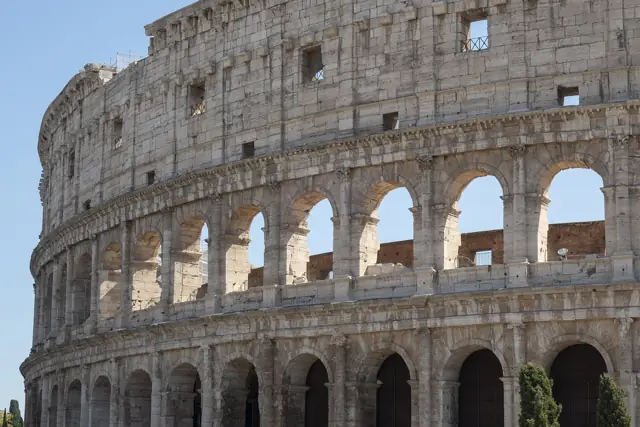
Colosseum
Rome's great amphitheatre, where up to 50,000 spectators once watched gladiator fights, is the city's most iconic sight.
 Landmark
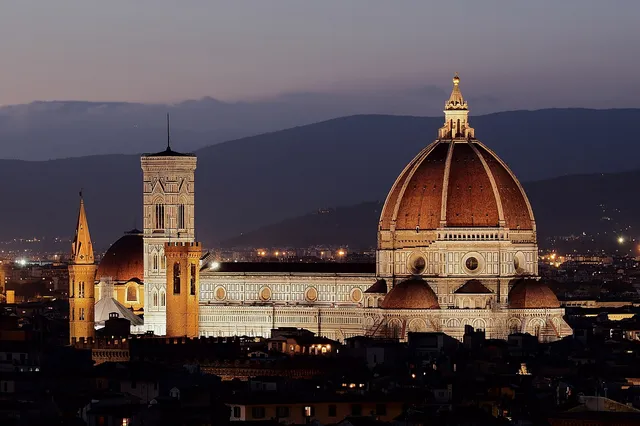
Florence Duomo
Florence's cathedral, crowned by Brunelleschi's record-breaking dome, is the symbol of the city, with the bell tower…
 Nature
Mount Etna
Europe's tallest active volcano, with lava fields, craters and sweeping views over eastern Sicily.
 Nature
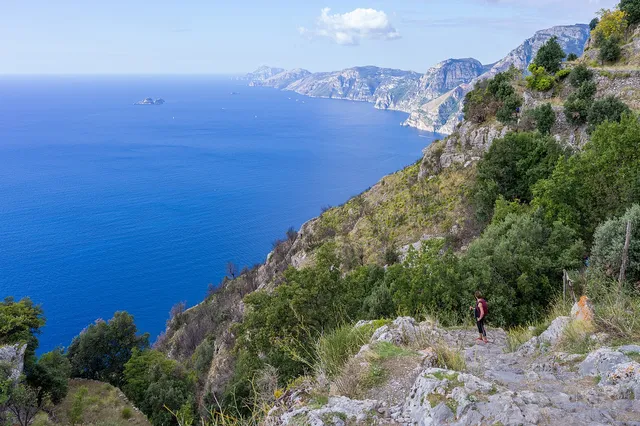
Path of the Gods
A spectacular cliff-top trail high above the Amalfi Coast, with views over Positano and out to Capri, that is free to…
 Landmark
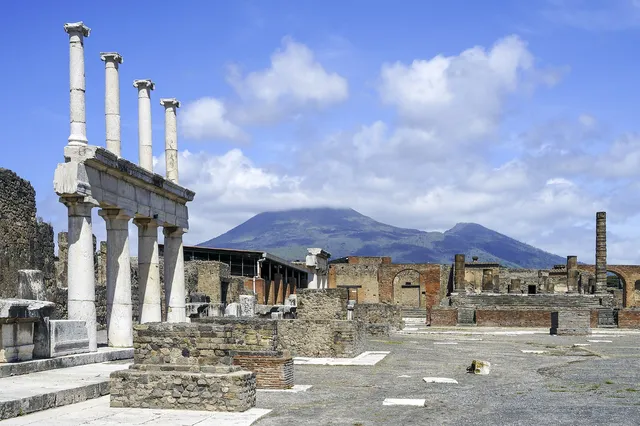
Pompeii
The Roman town buried by Vesuvius in AD 79, Pompeii is the most complete ancient city in the world and an unforgettable…
 Viewpoint
Seceda
A grassy ridge above Val Gardena that drops away in a dramatic wall of jagged peaks, reached by cable car from Ortisei.
Campania on the map
Frequently asked questions
Do I need a car in Campania?
No, not for the main sights. Trains, buses and ferries cover Naples, Pompeii, Sorrento, the islands and the Amalfi Coast, where driving and parking are stressful anyway. Hire a car only for inland areas such as Irpinia or the Cilento coast.
How many days do I need?
A week lets you combine two or three nights in Naples with a coastal or island base. With five days, focus on Naples, Pompeii and one of Capri or the Amalfi Coast.
Is Naples safe for tourists?
Naples has a rough reputation, but most visitors have no trouble. Take normal city precautions: watch for pickpockets on crowded buses and the Circumvesuviana, and keep phones and bags secure in busy streets.
Which is better, Pompeii or Herculaneum?
If you have time, see both. Pompeii shows the scale of a Roman city; Herculaneum, being smaller, is easier to take in and has surviving wooden beams and upper floors.
Written by
Emma City breaks & deals editor
Emma plans city breaks the way other people plan the weekly shop: on a budget, with a spreadsheet and a backup plan. She covers city guides and deal-hunting.
More from EmmaWe research every guide carefully, but prices, opening times and timetables change. Check them shortly before you travel. Links to our booking partners are affiliate links.