- The FCDO advises against all travel to Mali, so do not plan a trip without checking gov.uk
- Insurance is usually invalid against FCDO advice
- Djenné, Timbuktu and the Bandiagara Escarpment are UNESCO World Heritage Sites
- Bamako is one of the great music cities of Africa
- Airports
- Bamako Modibo Keïta (BKO)
- Flight time
- about 8-11h from London to Bamako, with one stop
- Best time to go
- November-February, when it is dry and cooler
- Currency
- West African CFA franc (XOF)
Mali is the heartland of some of West Africa's great empires. Under Mansa Musa in the 14th century, the Mali Empire was famed across the world for its wealth, and Timbuktu became a centre of Islamic learning whose manuscripts still survive. Today the country is best known abroad for its architecture, especially the Great Mosque of Djenné, for the cliff villages of the Dogon people and, above all, for its music: Ali Farka Touré, Salif Keita, Toumani Diabaté, Oumou Sangaré and Amadou & Mariam all came from Mali.
Since 2012, Mali has been affected by conflict involving separatist and jihadist groups, followed by military coups in 2020 and 2021. At the time of writing the UK FCDO advises against all travel to Mali because of the high threat of terrorism and kidnapping, and the security situation has deteriorated further in recent years. Travel insurance is usually invalid against FCDO advice. Please check the latest gov.uk FCDO travel advice for Mali rather than relying on any guidebook. This guide celebrates Mali's culture and places for when they can be visited safely. For the wider region, see our Africa guide, or neighbouring Senegal, Mauritania and Burkina Faso.
Why go
- Djenné: the Great Mosque, rebuilt in 1907, is the largest mud-brick building in the world. Each year the community gathers to replaster it with fresh mud in the Crépissage festival.
- Timbuktu: the legendary desert city's Djinguereber, Sankore and Sidi Yahia mosques and its tens of thousands of historic manuscripts made it a UNESCO World Heritage Site.
- Dogon Country: the Bandiagara Escarpment, a 150km sandstone cliff, has villages, granaries and old Tellem dwellings built into the rock, along with masked dance traditions.
- Bamako: the capital on the Niger River has a superb live music scene, the excellent National Museum of Mali and busy markets.
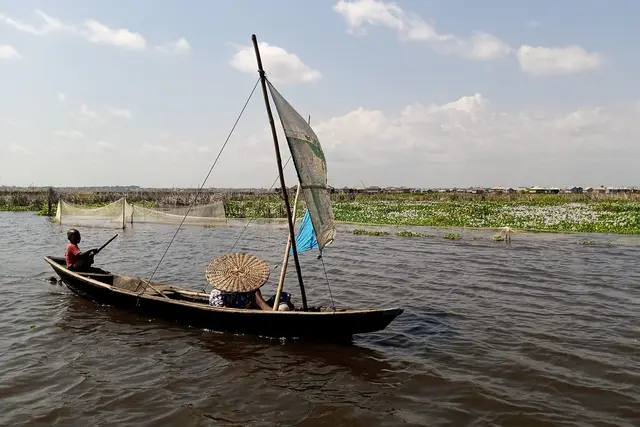
- The Niger River: pinasses (long wooden boats) once carried travellers between Ségou, Mopti and Timbuktu through the Inner Niger Delta.
- Ségou: a riverside town of colonial buildings and pottery villages, formerly host to the Festival sur le Niger.
- Desert music: Tuareg bands such as Tinariwen grew from the north, and the Festival au Désert near Timbuktu was once a pilgrimage for music fans.
Where to stay
- Bamako: the most choice, from international hotels in the ACI 2000 business district to guesthouses near the river.
- Mopti and Sévaré: traditional bases for Djenné, the Niger delta and Dogon Country.
- Djenné: small campements and guesthouses with rooftop views of the mosque.
- Dogon villages: simple campements, often with the chance to sleep on the roof under the stars.
Getting there
There are no direct flights from the UK. Bamako has been reached via Casablanca (Royal Air Maroc), Istanbul (Turkish Airlines), Addis Ababa (Ethiopian Airlines) and regional West African hubs, with total journey times of roughly 8-11 hours. Air France suspended its Bamako flights in 2023. British travellers need a visa, and a yellow fever vaccination certificate is required. Malaria is present throughout the country, so check TravelHealthPro.
Best time to visit
The best time is November to February, during the cool dry season. From March to June temperatures can exceed 45°C. The rainy season runs from around June to September, and from about September to January the Niger floods the inland delta, which once made for the best river journeys.
Mali's music is the easiest way to explore the country from home: Ali Farka Touré and Toumani Diabaté's album "In the Heart of the Moon" is a beautiful place to start.
Frequently asked questions
Can you travel to Mali?
At the time of writing, the FCDO advises against all travel to Mali because of the very high threat of terrorism and kidnapping. Check gov.uk for the latest advice, as insurance is usually invalid if you travel against it.
Can you visit Timbuktu?
Timbuktu is in an area of serious insecurity, and the FCDO advises against all travel to Mali. Its manuscripts and history can be explored through exhibitions and online collections in the meantime.
What is the Great Mosque of Djenné made of?
It is built of sun-dried mud bricks called ferey, coated with mud plaster. The wooden beams sticking out of the walls support the structure and act as scaffolding for the annual replastering.
What language is spoken in Mali?
Bambara is the most widely spoken language, with many other national languages including Fulfulde, Songhay, Tamasheq and Dogon. French was the official language until 2023, when national languages were given official status, and it is still widely used.
Written by
Anna Beach, family & practical travel editor
Anna knows which beach has shade at 3pm and which car hire excess is a rip-off. She covers sun, islands, family trips and practical travel tips.
More from AnnaWe research every guide carefully, but prices, opening times and timetables change. Check them shortly before you travel. Links to our booking partners are affiliate links.