- The FCDO advises against all travel to Sudan because of the war that began in April 2023
- The British Embassy in Khartoum has suspended operations, so consular help is very limited
- Sudan's Nubian pyramids at Meroë and Jebel Barkal are UNESCO World Heritage Sites
- Check gov.uk before considering any travel
- Airports
- Port Sudan (PZU); Khartoum (KRT) closed by the war
- Flight time
- about 8-10h from London to Port Sudan, with one stop
- Best time to go
- November-February, when it is coolest
- Currency
- Sudanese pound (SDG)
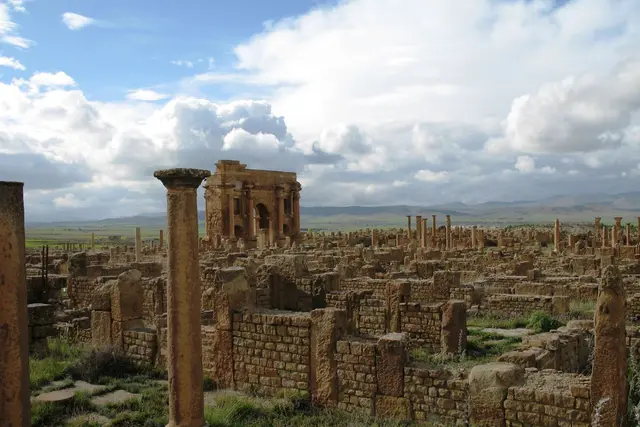
Sudan has one of the deepest histories in Africa. Along the Nile, the kingdoms of Kush ruled for centuries, and for a time their pharaohs ruled Egypt too. They left behind more pyramids than Egypt itself, steep and slender, standing in the desert at Meroë, Nuri and Jebel Barkal. Sudan's Red Sea coast has some of the most pristine coral reefs in the region, and before the war the few travellers who came often spoke of the extraordinary warmth of Sudanese hospitality.
Since April 2023, Sudan has been torn apart by war between the Sudanese Armed Forces and the Rapid Support Forces. Many thousands of people have been killed, millions have been displaced, and the country is facing one of the world's worst humanitarian crises, including famine. At the time of writing the UK FCDO advises against all travel to Sudan, and the British Embassy in Khartoum has suspended its operations, so the help available to British nationals is very limited. Please check the latest gov.uk FCDO travel advice for Sudan. This guide is written in respect for Sudan's people and heritage, for a time when it is safe to visit again. For the wider region, see our Africa guide, or neighbouring Egypt, Ethiopia and South Sudan.
Why go
- Meroë: the royal cemeteries of the Kushite capital, with dozens of steep-sided pyramids rising from the dunes north of Khartoum. They are part of a UNESCO World Heritage Site.
- Jebel Barkal: a sandstone mountain near Karima, sacred to the god Amun, with temples and pyramids at its foot. It is also UNESCO-listed.
- Nuri and El Kurru: royal pyramids and painted tombs of the Kushite kings who ruled Egypt as its 25th Dynasty.
- Old Dongola: the ruins of the medieval Christian kingdom of Makuria, with its churches and a throne hall that later became a mosque.
- Omdurman: across the Nile from Khartoum, the weekly Sufi dhikr ceremony at the Hamed al-Nil tomb, with whirling dervishes in patchwork robes, was one of the great travel experiences of Africa.
- Red Sea diving: Sanganeb Marine National Park and Dungonab Bay, a UNESCO site, offer coral walls, sharks, manta rays and dugongs, along with Cousteau's old underwater habitat.
- Suakin: a historic Ottoman port of ruined coral-stone buildings south of Port Sudan.
Where to stay
- Khartoum: before the war, the capital had international hotels by the Nile; much of the city has been severely damaged.
- Meroë and Karima: small camps and Nubian-style guesthouses near the archaeological sites.
- Port Sudan: hotels by the sea and liveaboard dive boats, which were the main way to explore the reefs.
Getting there
There are no direct flights from the UK. Since the war began, Khartoum airport has been closed to commercial traffic, and Port Sudan has handled the limited international flights, with connections via cities such as Cairo, Jeddah, Istanbul and Doha. Services change frequently. British travellers need a visa, and a yellow fever certificate may be required depending on your route. Malaria is present in much of the country.
Before the war, travellers needed to register with the police within a few days of arrival and hold photography and travel permits for areas outside Khartoum. The Nubian sites north of the capital were usually visited on a loop of several days by 4x4, camping in the desert.
Best time to visit
When travel is possible again, November to February is the best time, with warm days and cooler nights in the desert. From April to September temperatures in the north regularly exceed 40°C. For Red Sea diving, the season has traditionally run from around October to May.
If you want to support Sudan now, consider donating to established humanitarian organisations working there, such as the UN agencies, the Red Cross and Red Crescent, or long-standing UK charities.
Frequently asked questions
Can you travel to Sudan now?
No. At the time of writing, the FCDO advises against all travel to Sudan because of the ongoing war, and consular support is extremely limited. Check gov.uk for the latest position.
Does Sudan have more pyramids than Egypt?
Yes. Sudan has more than 200 pyramids, more than Egypt, though they are smaller and steeper. They were built by the kings and queens of Kush, especially at Meroë, Nuri and El Kurru.
Who were the Black Pharaohs?
They were kings from Kush, in what is now Sudan, who conquered Egypt in the 8th century BC and ruled it as the 25th Dynasty. Their tombs lie at El Kurru and Nuri.
What language is spoken in Sudan?
Arabic is the main language and is official alongside English. Nubian languages, Beja and many others are also spoken.
Written by
Emma City breaks & deals editor
Emma plans city breaks the way other people plan the weekly shop: on a budget, with a spreadsheet and a backup plan. She covers city guides and deal-hunting.
More from EmmaWe research every guide carefully, but prices, opening times and timetables change. Check them shortly before you travel. Links to our booking partners are affiliate links.