- Palencia Cathedral is nicknamed the unknown beauty for good reason
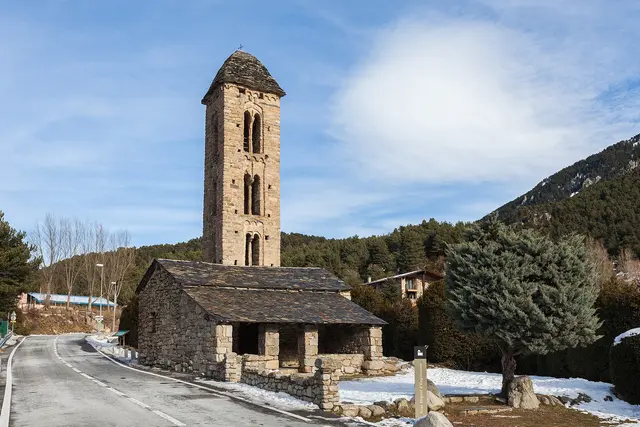
- Northern Palencia has one of the densest concentrations of Romanesque churches in Europe
- The Roman villa of La Olmeda has superb mosaics
- Santander's ferry port is roughly two hours' drive away
- Airports
- Madrid-Barajas (MAD) or Santander (SDR); ferry to Santander
- Best time to go
- May-June and September-October
- Type
- Province
Palencia is one of the quietest provincial capitals in Spain, a pleasant small city on the River Carrión with arcaded streets and a cathedral so overlooked that locals call it la bella desconocida, the unknown beauty. Few foreign tourists stop here, which means relaxed sightseeing and local prices.
The real treasure is the province. Its northern hills, the Montaña Palentina, are dotted with Romanesque churches, and the flat Tierra de Campos is crossed by the Camino de Santiago and the 18th-century Canal de Castilla. Palencia is in the Castile and León region and pairs well with nearby Valladolid or Burgos. See our Spain guide for more.
Things to do
- Palencia Cathedral – a large Gothic cathedral with a richly decorated interior and a Visigothic crypt beneath it.
- Cristo del Otero – a huge statue of Christ on a hill above the city, with wide views across the plains.
- Calle Mayor – the long arcaded main street, good for a stroll, shopping and tapas.
- Romanesque Palencia – Aguilar de Campoo has a Romanesque monastery with an interpretation centre, and dozens of village churches nearby have carved doorways and capitals. In Frómista, the church of San Martín is one of the purest Romanesque buildings in Spain.
- La Olmeda Roman villa – near Saldaña, a covered Roman villa with some of the finest mosaic floors in Spain, including a hunting scene.
- Baños de Cerrato – the small church of San Juan Bautista is one of the oldest surviving churches in Spain, dating from the Visigothic period.
- Canal de Castilla – walk or cycle the old towpath, see the locks at Frómista or take a short boat trip from Herrera de Pisuerga or Medina de Rioseco nearby.
- Camino towns – Frómista and Carrión de los Condes are classic stops on the Camino Francés, with historic churches and pilgrim atmosphere.
Where to stay
- Palencia city centre – around Calle Mayor, close to the cathedral and restaurants.
- Aguilar de Campoo – the best base for the Romanesque churches and mountain scenery of the north.
- Frómista or Carrión de los Condes – Camino towns with simple hotels, handy for the canal.
Getting there
From the UK, fly to Madrid and take the train to Palencia, which takes roughly 1 hour 20 minutes on the fastest services. Arriving by Brittany Ferries at Santander, Palencia is about two hours' drive south, and the drive passes through the Montaña Palentina, so it fits naturally into a road trip. Valladolid is only about 40 minutes away by car or train. A car is strongly recommended to explore the villages.
Best time to visit
Late spring and early autumn have mild days and green or golden landscapes. Summers are warm but generally comfortable, while winters on the Meseta are cold and foggy. Holy Week is celebrated with processions in the city, and early September brings the fiestas of San Antolín, the patron saint.
Many village churches in northern Palencia are kept locked. Check local opening arrangements or join a guided route from Aguilar de Campoo.
Top attractions in Palencia
 Landmark
Alhambra
A hilltop palace-fortress of carved stucco, tiled courtyards and water gardens, the Alhambra is the high point of…
 Landmark
Park Güell
Gaudí's hillside park of mosaic benches, gingerbread-style lodges and a famous dragon, with sweeping views over…
 Museum
Prado Museum
One of the world's great art museums, the Prado holds Spain's royal collection, from Velázquez's Las Meninas to Goya's…
 Landmark
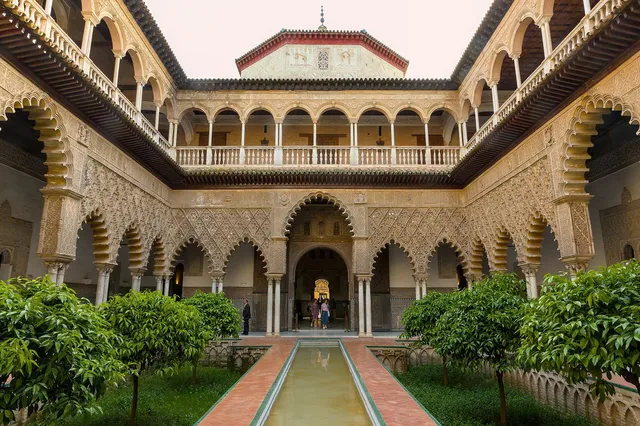
Real Alcázar
A dazzling Mudéjar palace and gardens in the heart of Seville, still used by the Spanish royal family and famous as the…
 Landmark
Sagrada Família
Gaudí's unfinished basilica, with its forest-like nave and glowing stained glass, is Barcelona's must-book sight.
 Nature
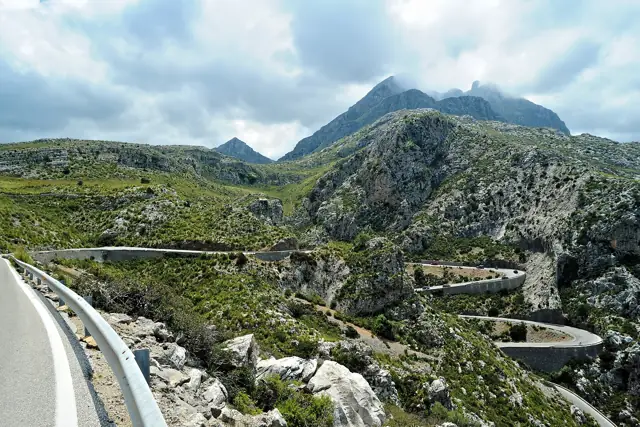
Serra de Tramuntana
A UNESCO-listed mountain range of stone villages, olive terraces and hairpin roads along Mallorca's north-west coast.
Palencia on the map
Frequently asked questions
Is Palencia worth visiting?
Yes, if you enjoy history and quiet places. The cathedral and La Olmeda would be major attractions anywhere else, and you will share them with few people.
Where are the best Romanesque churches?
Frómista's San Martín is the most famous. Around Aguilar de Campoo and the Montaña Palentina you will find many more village churches in a small area.
Can you visit Palencia from Valladolid?
Easily. Trains take roughly 30 minutes, so it makes a simple day trip.
What is the Canal de Castilla?
An 18th-century canal built to carry grain across Castile. It is now a peaceful waterway with towpaths for walking and cycling.
Written by
Thomas Ski, mountains & expeditions editor
Thomas is happiest above the tree line or below the Antarctic Circle. He writes our ski, mountain and polar expedition guides.
More from ThomasWe research every guide carefully, but prices, opening times and timetables change. Check them shortly before you travel. Links to our booking partners are affiliate links.