- Zamora has one of the largest collections of Romanesque churches of any city in Europe
- Its Holy Week processions are among Spain's most solemn
- Toro produces bold red wines
- The Lago de Sanabria is Spain's largest glacial lake
- Airports
- Madrid-Barajas (MAD) or Porto (OPO)
- Best time to go
- May-June and September-October
- Type
- Province
Zamora is a small walled city on a rocky ridge above the River Duero, packed with Romanesque churches built in the 12th and 13th centuries. Its cathedral is crowned with an unusual scaled dome, and the old town also hides a surprising number of early 20th-century modernist buildings. It is quiet, well kept and very easy to explore on foot.
The province reaches the Portuguese border, with the deep canyons of the Arribes del Duero, the wine town of Toro and, in the north-west, the mountains and lake of Sanabria. Zamora belongs to the Castile and León region and sits between Salamanca and León. See our Spain guide for the rest of Spain.
Things to do
- Zamora Cathedral – a Romanesque cathedral with a distinctive Byzantine-influenced dome and a museum of Flemish tapestries.
- Romanesque churches – walk the old town to see churches such as San Pedro y San Ildefonso, La Magdalena and Santa María la Nueva, many with carved doorways.
- The castle and walls – the restored castle next to the cathedral has gardens and views over the river.
- The stone bridge – cross the medieval bridge over the Duero for the classic view of the city on its ridge, best at sunset.
- Holy Week Museum – displays the floats and sculptures carried in the city's famous Easter processions.
- Toro – a hilltop town about 30 minutes east with a magnificent collegiate church and wineries producing powerful Tinta de Toro reds.
- Arribes del Duero – a natural park where the Duero cuts deep canyons along the border with Portugal; viewpoints near Fermoselle look down into the gorges, and boat trips run on the river.
- Lago de Sanabria – a glacial lake in the north-west with beaches for summer swimming, near the medieval hilltop town of Puebla de Sanabria.
Where to stay
| Area | Why stay there |
|---|---|
| Zamora old town | Quiet streets near the cathedral, churches and tapas bars |
| Toro | For wine lovers, with wineries close by |
| Puebla de Sanabria | Base for the lake and mountain walks |
| Fermoselle | Village base for the Arribes del Duero |
Getting there
From the UK, fly to Madrid and take the high-speed train to Zamora, which takes roughly 1 hour 30 minutes. Porto in Portugal is an interesting alternative, about three hours' drive away. High-speed trains also link Zamora with Sanabria and Galicia. A car is the easiest way to see Toro, the Arribes and the lake.
Best time to visit
Late spring and early autumn are best for walking and sightseeing. Summers are hot in the city but pleasant at Sanabria, where the lake is popular for swimming in July and August. Holy Week is the city's great moment, with hooded brotherhoods processing in near silence through the old town, so book well ahead if you want to be there.
The Sierra de la Culebra, north-west of the city, is one of the best places in Europe to look for wild Iberian wolves with a specialist guide.
Top attractions in Zamora
 Landmark
Alhambra
A hilltop palace-fortress of carved stucco, tiled courtyards and water gardens, the Alhambra is the high point of…
 Landmark
Park Güell
Gaudí's hillside park of mosaic benches, gingerbread-style lodges and a famous dragon, with sweeping views over…
 Museum
Prado Museum
One of the world's great art museums, the Prado holds Spain's royal collection, from Velázquez's Las Meninas to Goya's…
 Landmark
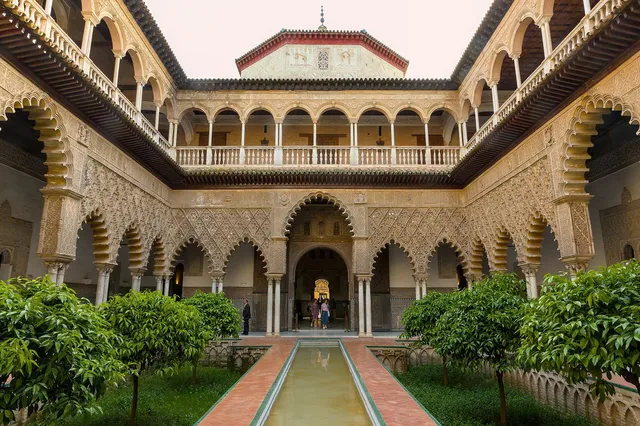
Real Alcázar
A dazzling Mudéjar palace and gardens in the heart of Seville, still used by the Spanish royal family and famous as the…
 Landmark
Sagrada Família
Gaudí's unfinished basilica, with its forest-like nave and glowing stained glass, is Barcelona's must-book sight.
 Nature
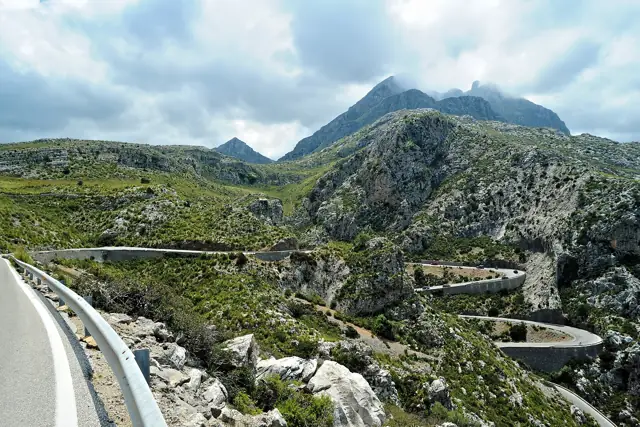
Serra de Tramuntana
A UNESCO-listed mountain range of stone villages, olive terraces and hairpin roads along Mallorca's north-west coast.
Zamora on the map
Frequently asked questions
Is Zamora worth visiting?
Yes, for lovers of architecture and quiet towns. It is one of the best places in Spain to see Romanesque art in a single compact city.
How long do I need in Zamora?
A day and a night for the city. Two or three more days let you add Toro, the Arribes and Sanabria.
Can you swim in the Lago de Sanabria?
Yes, there are several beaches with summer facilities. The water stays cool even in summer.
Is Zamora easy to combine with Salamanca?
Very. The cities are about an hour apart by car or bus.
Written by
Emma City breaks & deals editor
Emma plans city breaks the way other people plan the weekly shop: on a budget, with a spreadsheet and a backup plan. She covers city guides and deal-hunting.
More from EmmaWe research every guide carefully, but prices, opening times and timetables change. Check them shortly before you travel. Links to our booking partners are affiliate links.